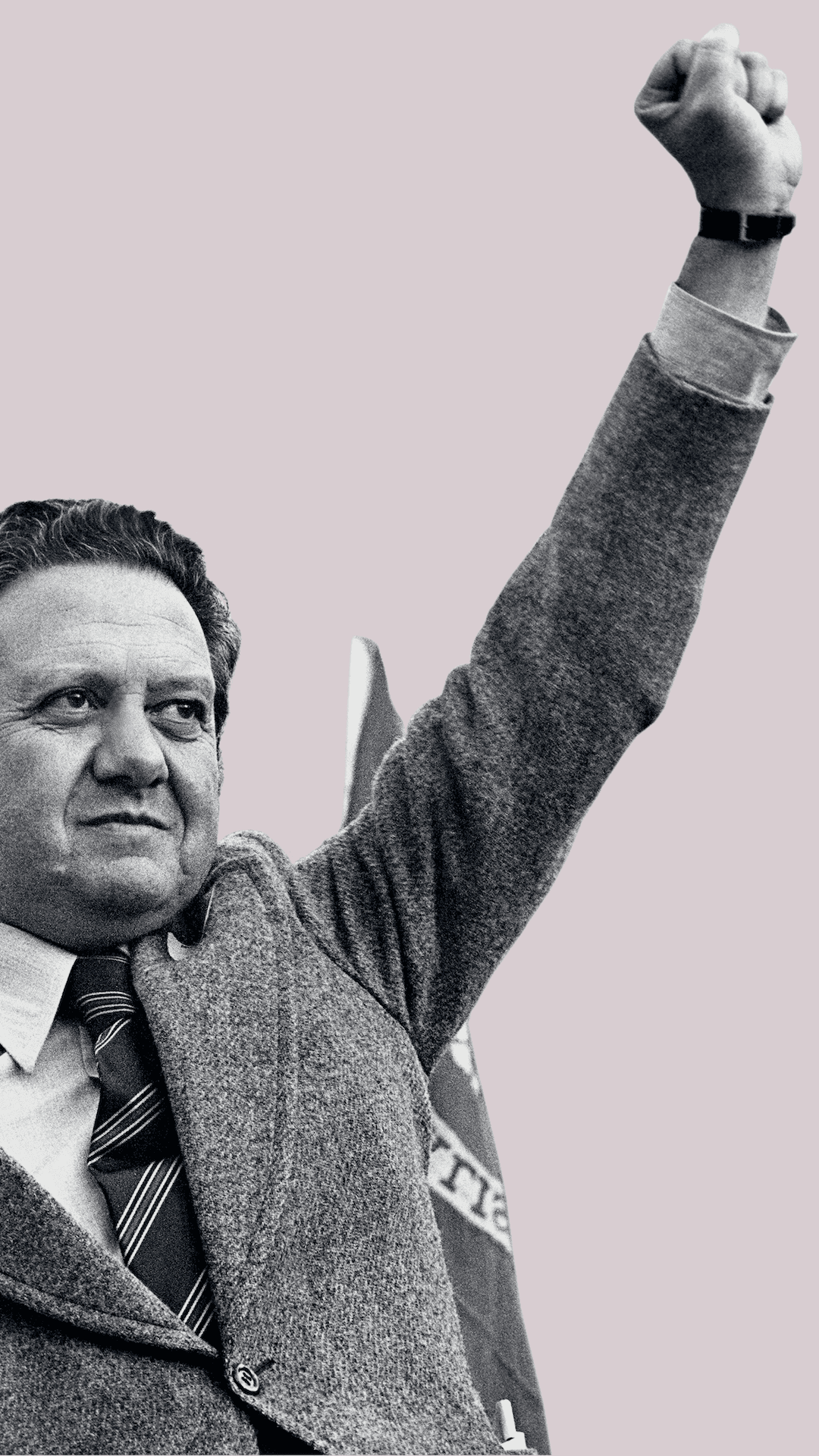
Exposição "Mário Soares. Portugal: Que Revolução?"
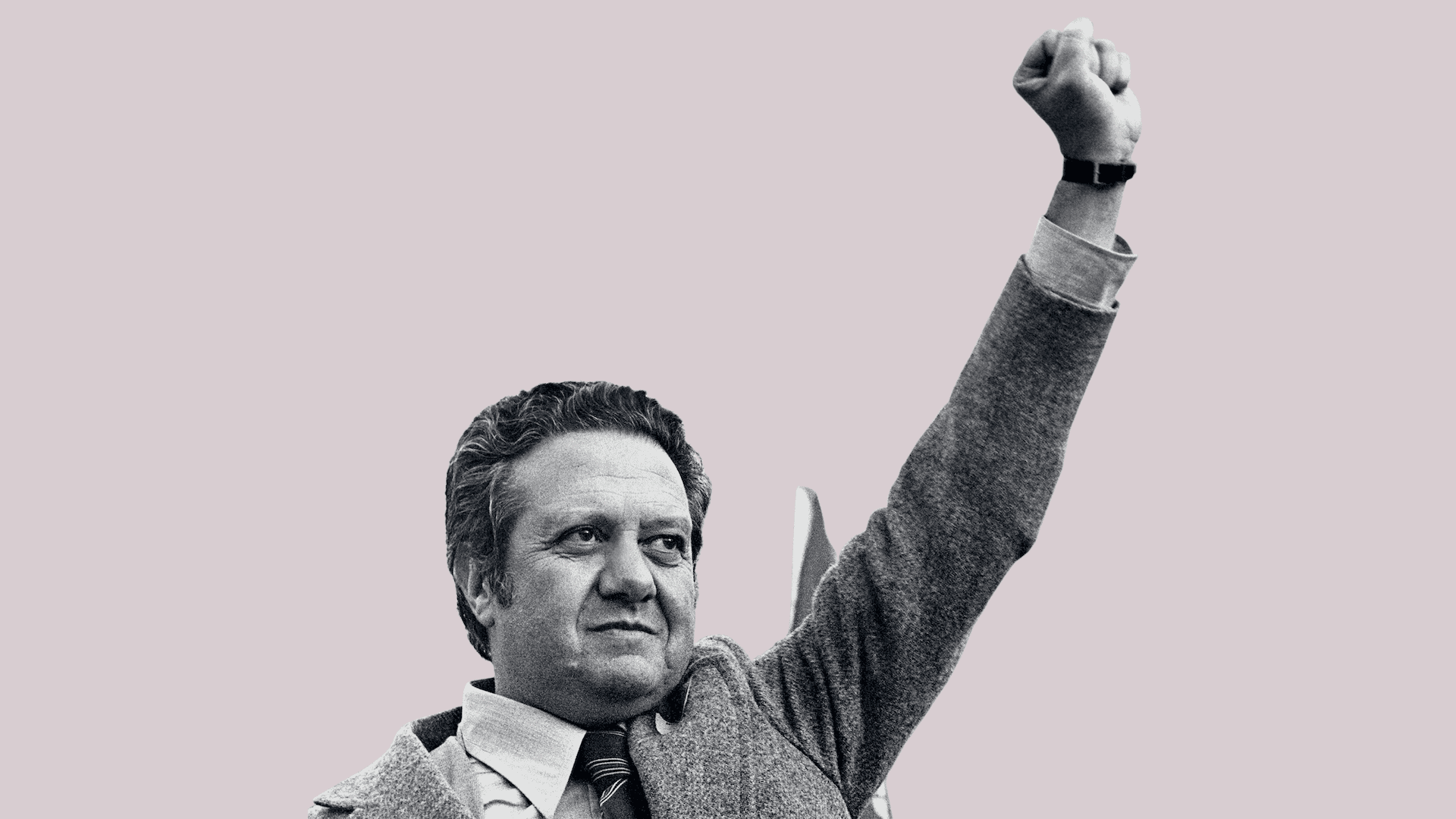
Mário Soares e a Revolução
Nesta exposição, as imagens falam e as palavras mostram, construindo uma aliança em que se complementam e valorizam mutuamente.
Numa longa entrevista ao jornalista francês Dominique Pouchin (Le Monde), que três décadas mais tarde continuou e atualizou, Mário Soares contou a Revolução portuguesa, dizendo o que pensava dos seus lances decisivos e dos seus momentos fulcrais. É uma conversa viva, feita a quente, na proximidade dos acontecimentos e dos seus atores, que corre como um filme, tendo por banda sonora o tumulto incansável de sons e slogans do PREC.
“Portugal: Que Revolução?” A interrogação dá bem a ideia do tempo incerto e contraditório, imprevisível e arriscado, em que a Revolução, num confronto de legitimidades discordantes e de projetos antagónicos, foi avançando e recuando num ziguezague frenético e confuso.
Soares narra e explica, interpreta e argumenta, afirmando as suas razões e adiantando os seus juízos. De tudo o que disse nesse diálogo intenso e não raro incómodo, foram escolhidas aquelas passagens que nos dão a ver os acontecimentos determinantes, no seu dramatismo tantas vezes impetuoso e exaltado.
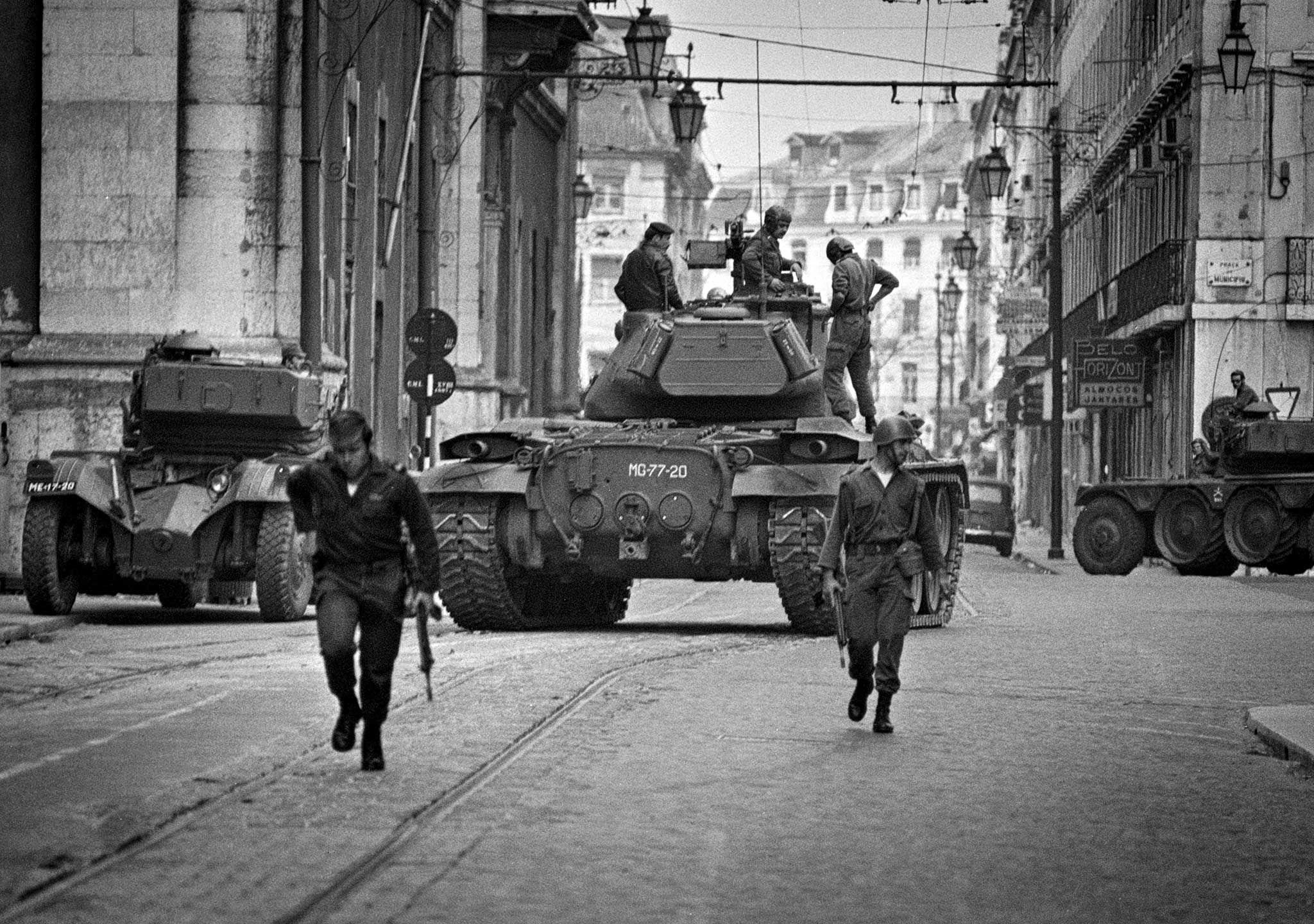
As fotografias que se apresentam, da autoria de vários e reconhecidos fotógrafos, falam com uma voz visual tão nítida, veemente, vertiginosa e veloz como a dos acontecimentos febris que retratam.
Ao percorrermos esta exposição, ficamos a saber como Mário Soares viveu e viu os acontecimentos de que foi um dos principais protagonistas, num combate que fez de Portugal uma democracia europeia.
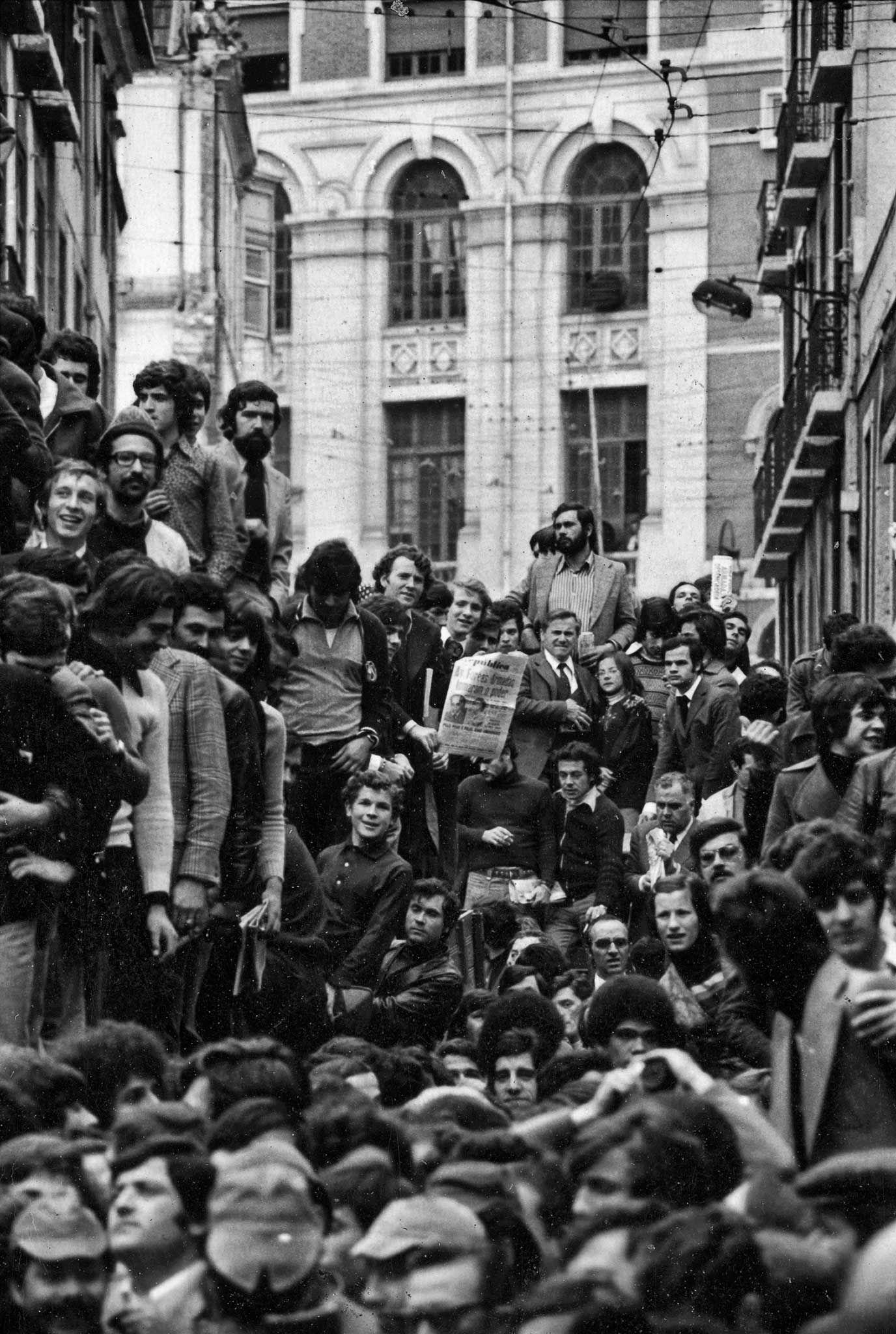
Um diálogo com Dominique Pouchin
Dominique Pouchin (n. 1949) encontrou-se, pela primeira vez, com Mário Soares, em Paris, nas vésperas da Revolução, em março de 1974. Jovem jornalista do Le Monde, tornar-se-ia, pouco depois, enviado especial a Lisboa do diário francês. Como estudante, havia participado no Maio de 1968, passara pelo Partido Socialista Unificado (PSU) e pela Liga Comunista Revolucionária. Em Portugal acompanhou intensamente os acontecimentos do Processo Revolucionário em Curso (PREC), entrevistou protagonistas políticos, militares e o povo que saiu às ruas em todo o país. Assistiu a manifestações, greves, ocupações, comícios e conferências de imprensa.
Naqueles meses, esteve em Portugal 17 vezes, tendo passado mais tempo em Lisboa do que em Paris. Anos depois, recordaria: «Recuando no tempo, direi que a Revolução portuguesa constituiu um momento-charneira da História do pós-guerra». Pouchin foi mais tarde chefe de redação e, depois, diretor editorial do Libération e teve uma passagem fugaz, como diretor, pelo France-Soir.
Mário Soares. Portugal: que Revolução? Diálogo com Dominique Pouchin, resultado de vários dias de conversa, entre Soares e Pouchin, sobre os acontecimentos da Revolução portuguesa (1974-1976), foi lançado pouco antes das eleições legislativas, em abril de 1976, na livraria Sá da Costa, em Lisboa. O livro, originalmente publicado em francês (Calmann-Lévy, 1976), foi traduzido por Isabel Soares e editado pelas Perspectivas & Realidades, tendo sido também publicado em Itália (La Nuova Italia,1976), Brasil (Paz e Terra, 1976) e na Venezuela (Monte Avila Editores, 1977).
Em 2001, o jornalista voltou a entrevistar o político, desta vez para o canal francês Histoire. Essa entrevista deu origem a um novo livro, publicado em França, no ano seguinte, na coleção «Mémoire Vivante» (Flammarion). Em 2003, a obra foi editada em português com o título Memória Viva (Quasi Edições). Dos dois livros de Soares com Pouchin foram escolhidas as passagens que integram o texto desta exposição.
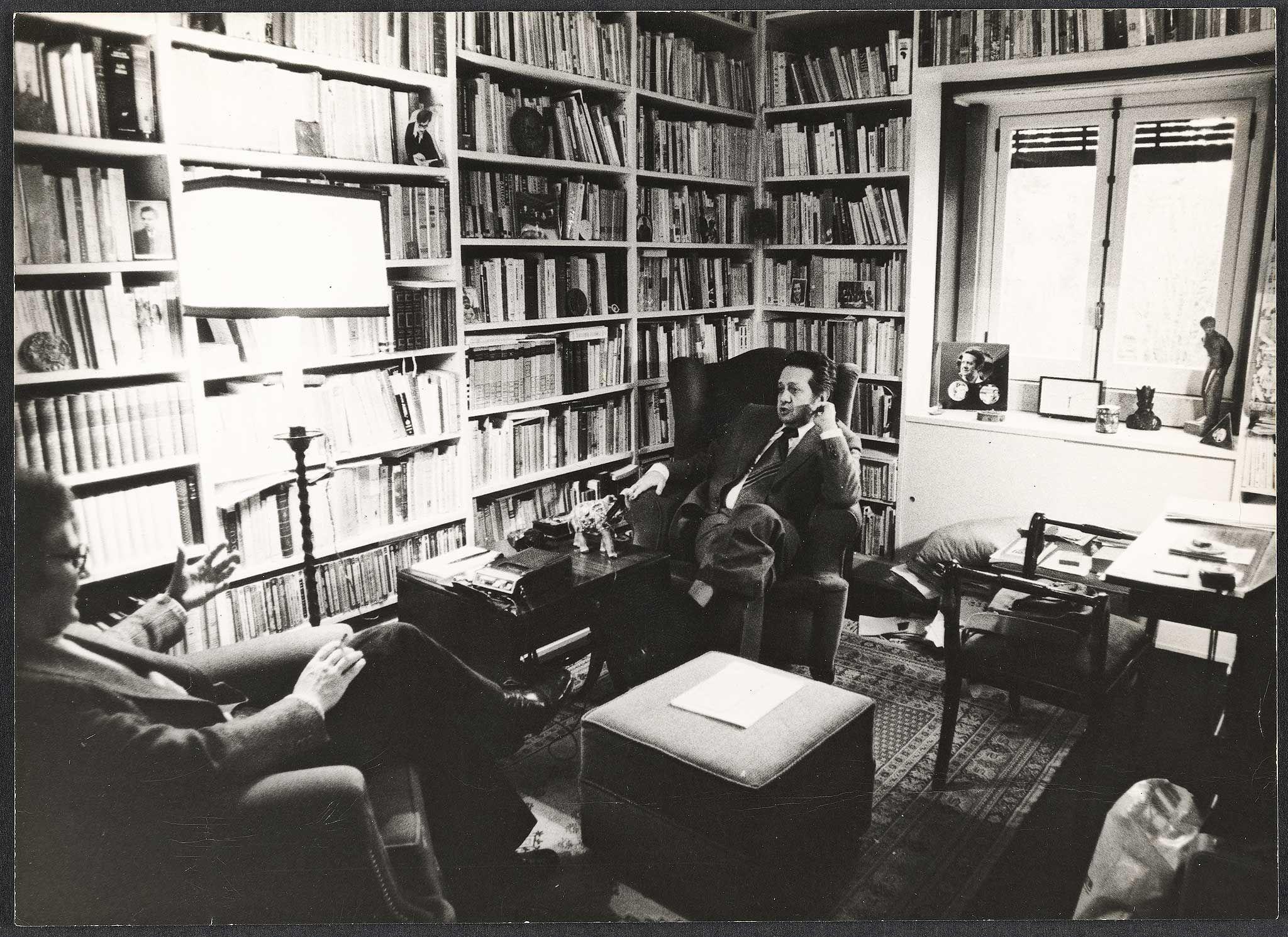
A madrugada de 25 de Abril
“Estava em Bona, a convite dos meus amigos do Partido Social-Democrata Alemão. No dia 24, à noite, fui convidado para jantar com o ministro da Defesa. Uma vez mais tinha de me resignar: ouviram-me com simpatia e com evidente interesse, mas não me acreditavam. (…) Eu sabia que tinha razão. Nunca havia sentido o fim do fascismo tão próximo. (…) Entretanto foi ele quem me mandou acordar às seis horas da manhã. O tom havia mudado: «Você tinha razão, passam-se coisas muito graves em Lisboa. Parece que a Revolução está na rua.» Devia encontrar-me com Willy Brandt nesse próprio dia, mas regressei precipitadamente a Paris, onde dispunha de uma importante rede de informações.”
O Comboio da Liberdade e o regresso a Portugal
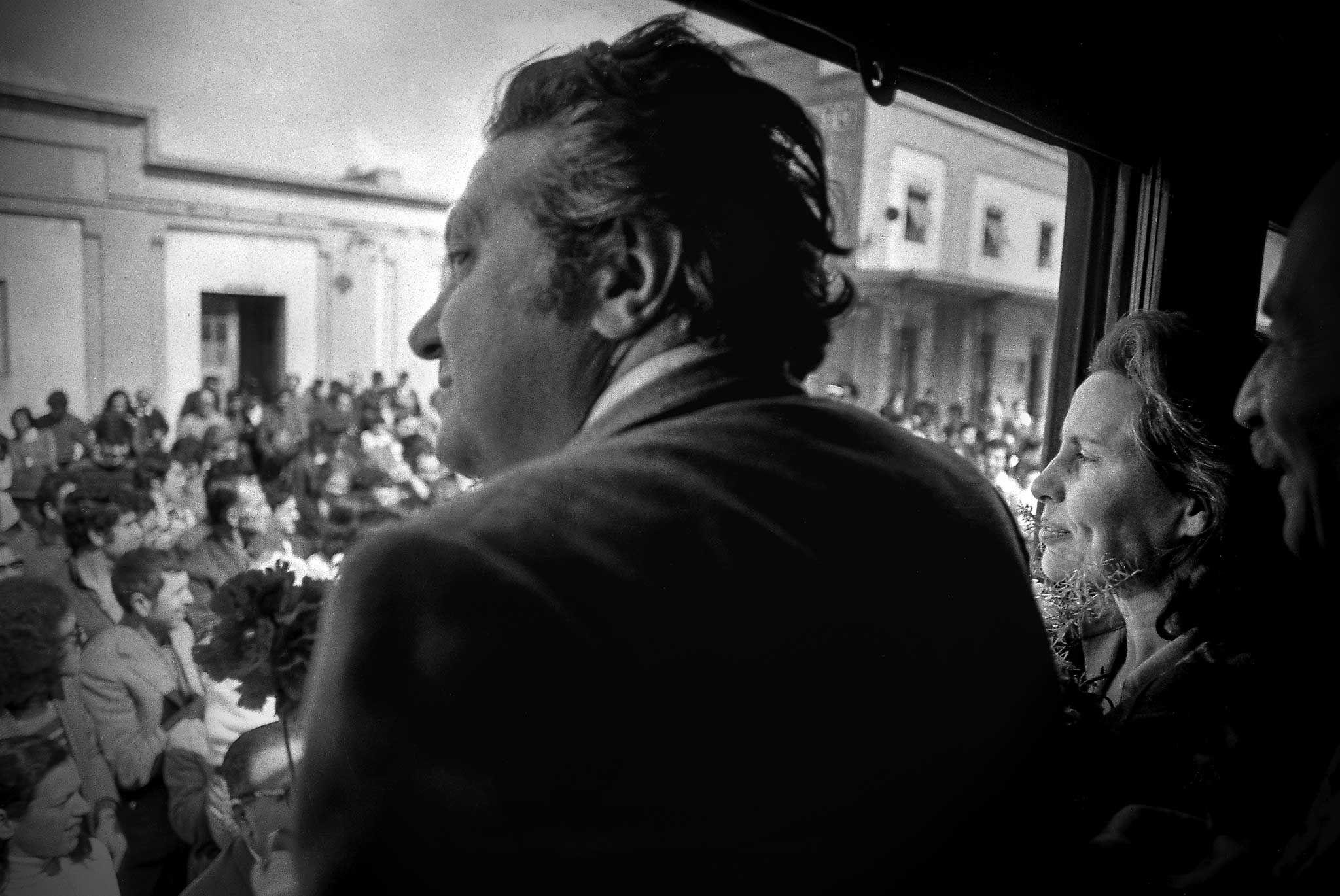
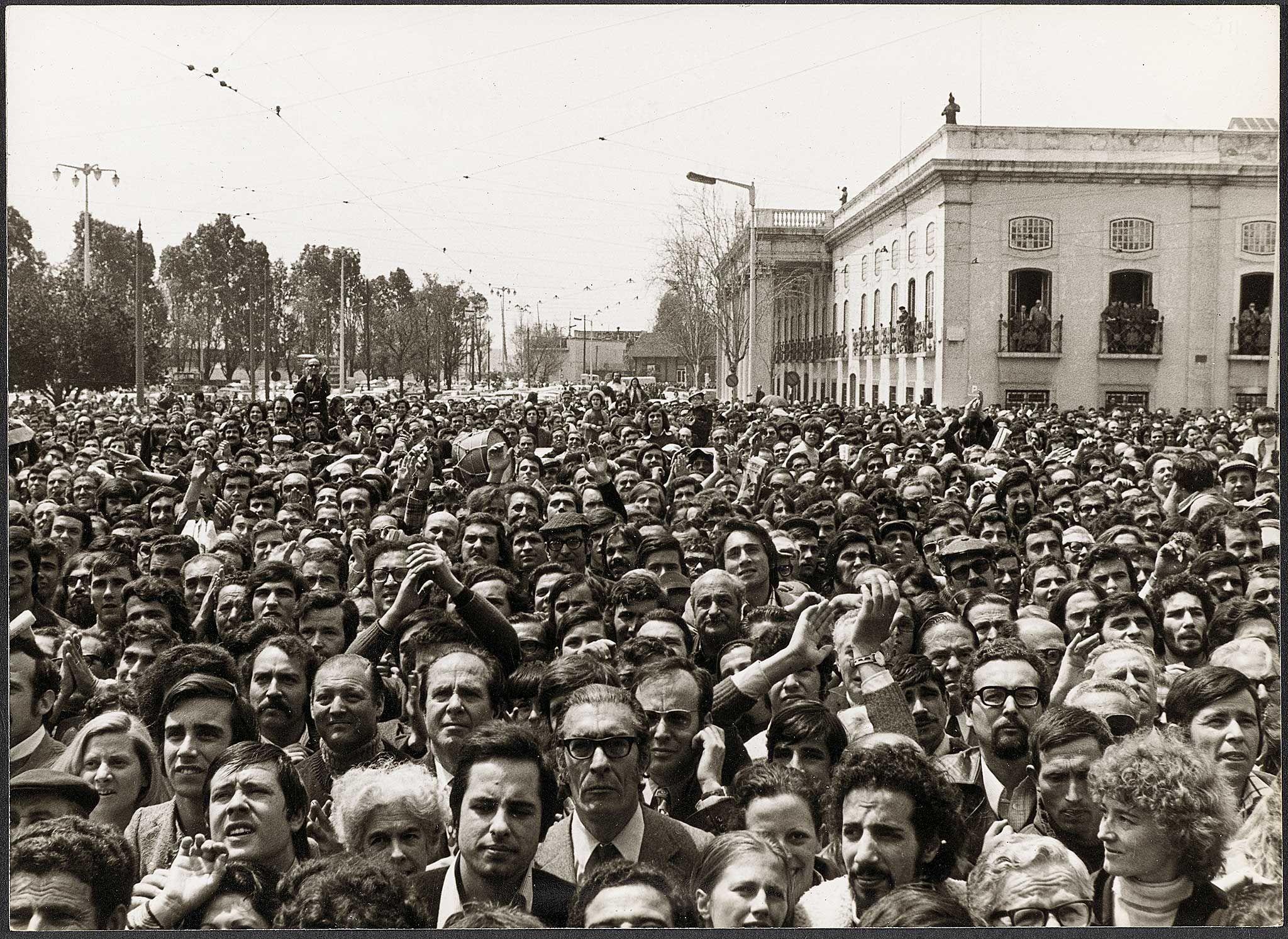
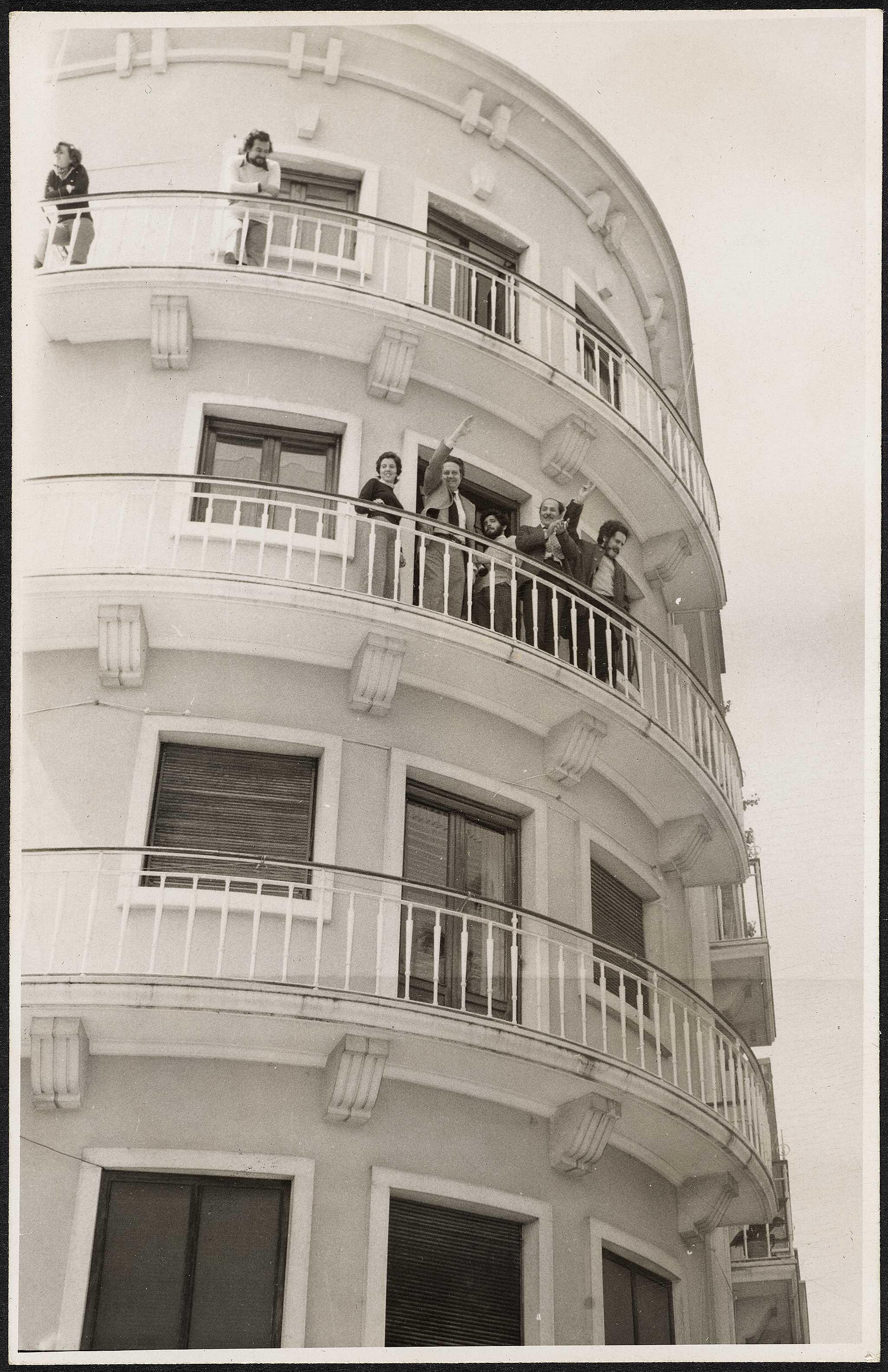
“Eu tinha decidido regressar, custasse o que custasse, mesmo clandestinamente, se fosse preciso. Sem avião, apanhei o comboio na manhã do dia 27 de Abril, com Ramos da Costa e Tito de Morais, dois outros dirigentes do Partido, além de Fernando Oneto, exilado como eu em Paris.
(…) O comboio era agora o comboio da liberdade. Parava em quase toda a parte, nas cidades e vilas mais importantes e até em Alfarelos, a aldeia natal do Ramos da Costa, perto de Coimbra. Aí, como nos outros sítios, esperava-nos uma imensa multidão: a rádio anunciara a nossa passagem, convidando a população a ir saudar-nos. Um jornalista subiu algures e deixou-me o jornal da manhã desse dia: foi assim que pude ler pela primeira vez o Programa do Movimento das Forças Armadas.”
O Reconhecimento internacional da Revolução
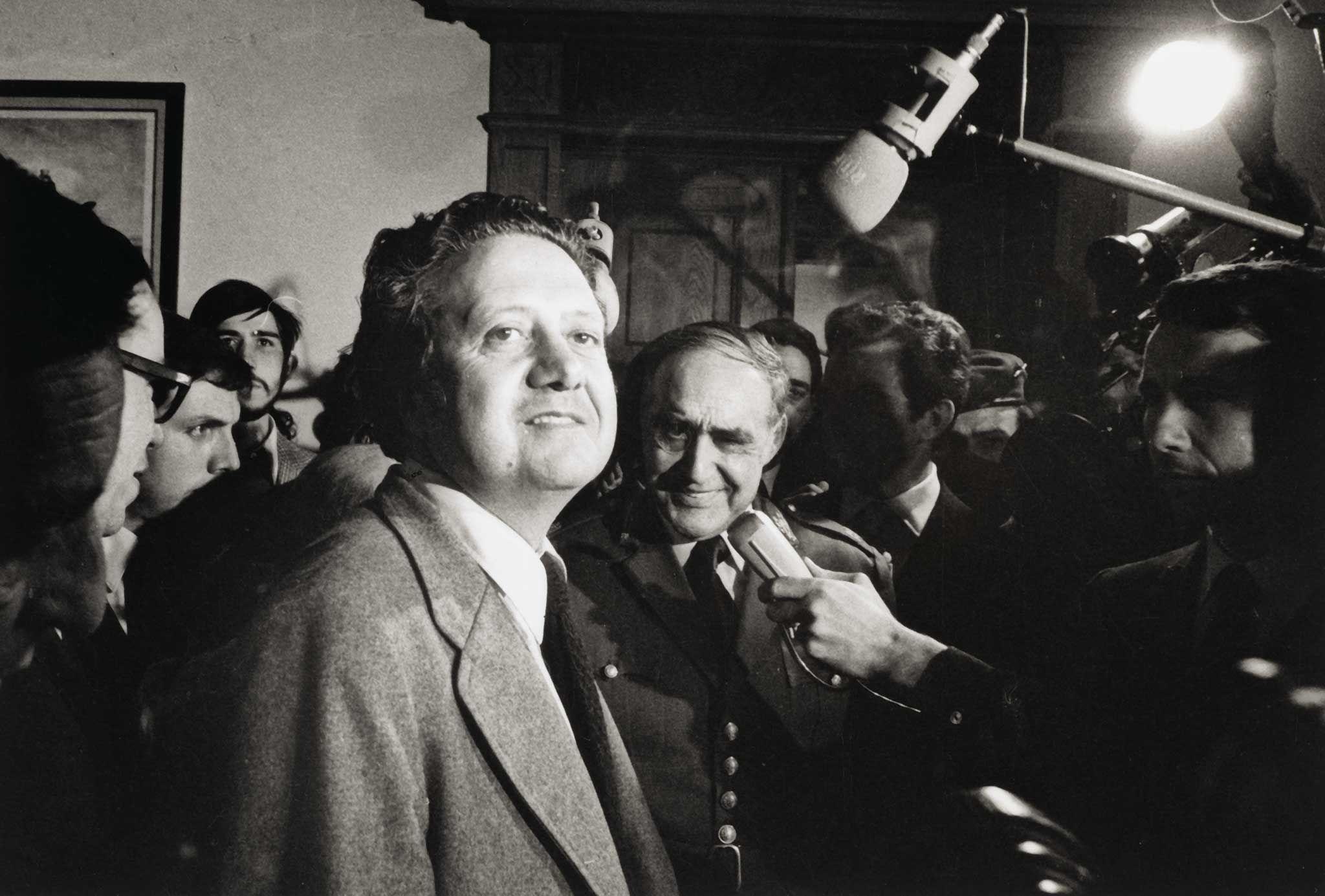
“Quando chegámos ao palácio [da Cova da Moura] deparou-se-nos de novo uma multidão. Dezenas de militares que eu via pela primeira vez, mas também caras conhecidas de militares e civis: socialistas, membros da Maçonaria, velhos republicanos, alguns comunistas… Spínola apareceu. Abraçámo-nos espontaneamente e uns momentos depois convidou-me a entrar no seu gabinete. «A revolução está feita. Sinto-me feliz por o receber» - foram as suas primeiras palavras. Não tardou porém a dizer-me o que esperava de mim: «A Revolução necessita de imediato reconhecimento internacional. É preciso andar depressa. Você tem numerosas amizades na Europa e no Mundo. É o homem que nos vai abrir as portas. Conto consigo…»”.
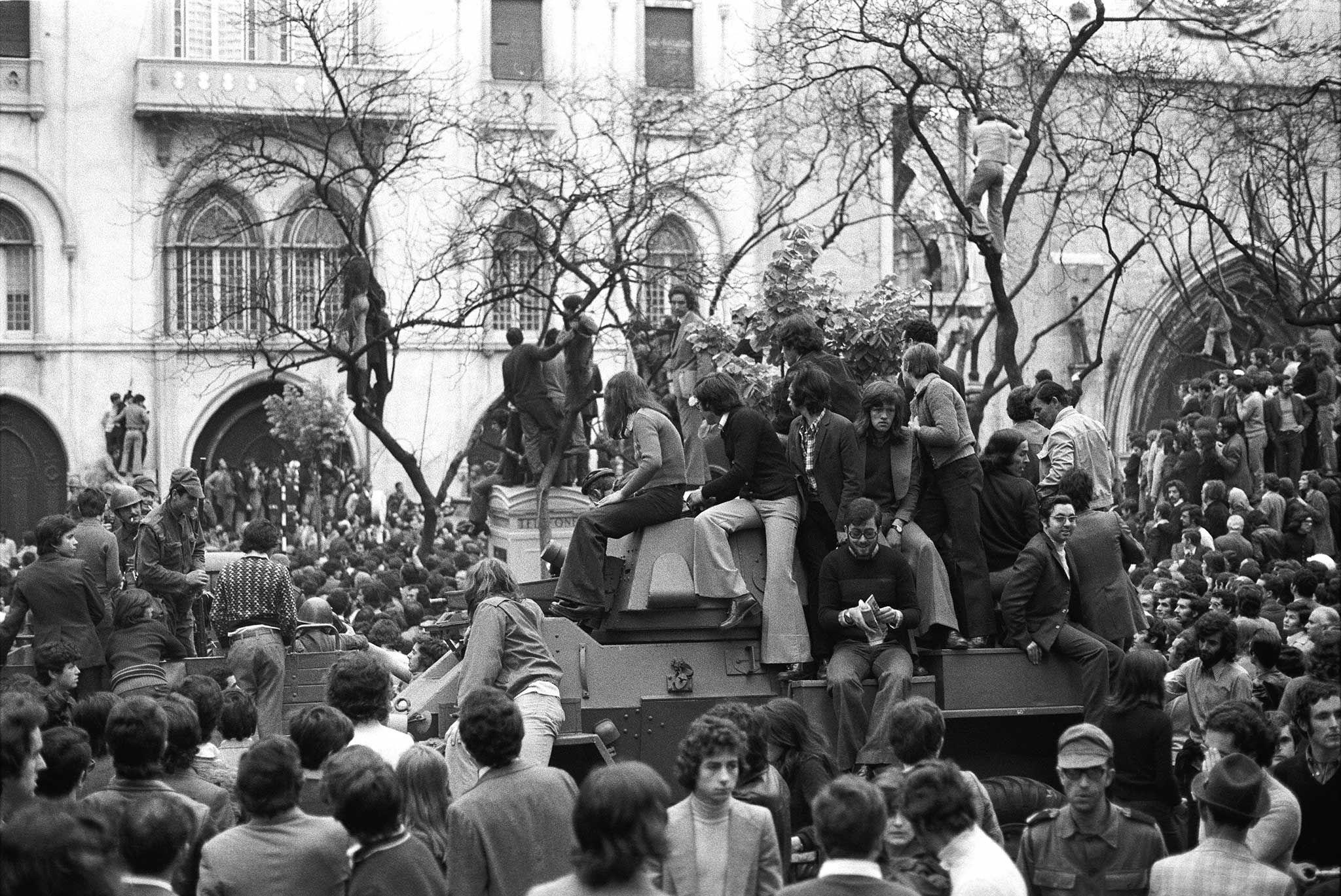
Encontro com Cunhal no aeroporto
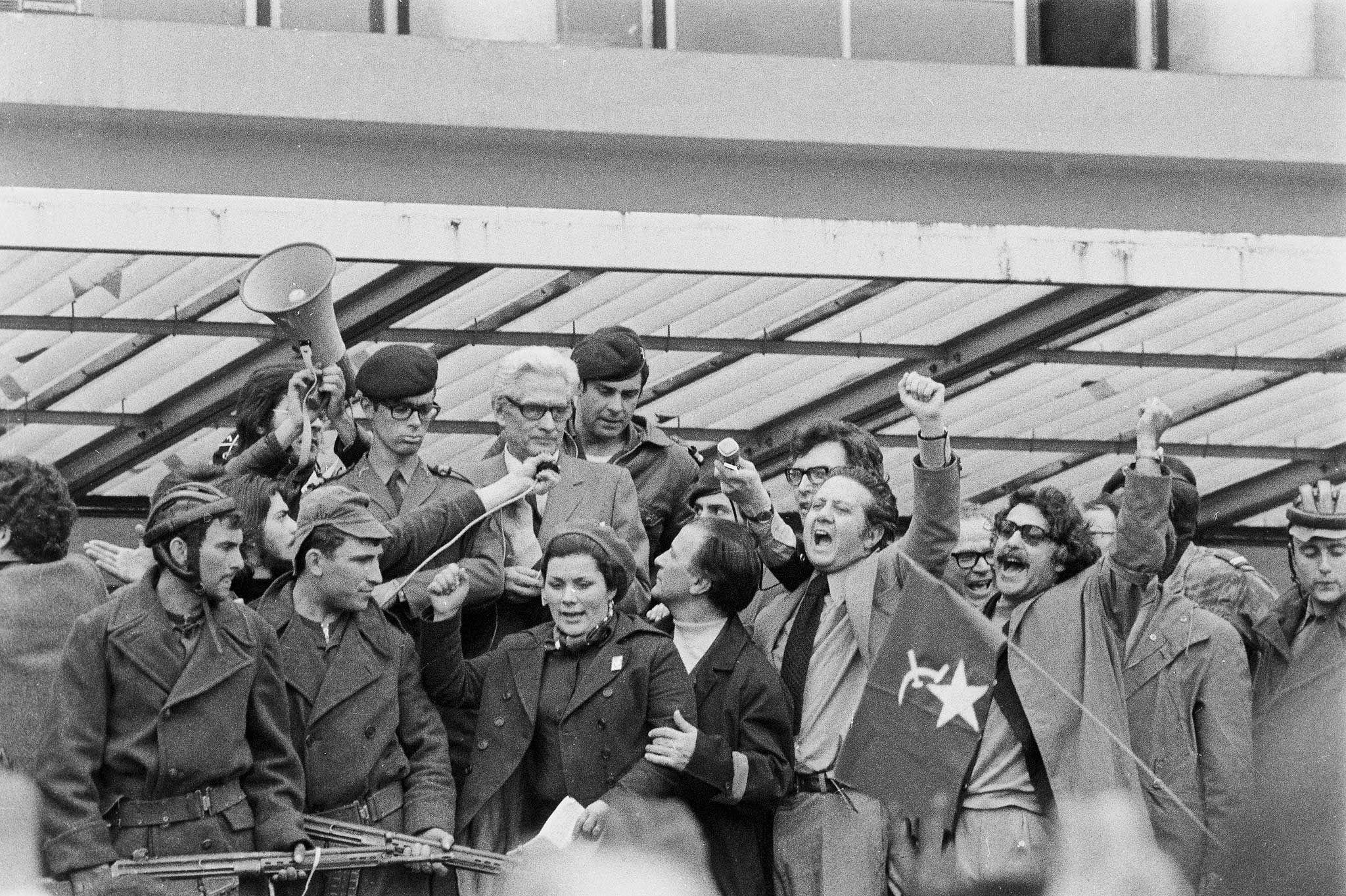
“Fui esperá-lo ao aeroporto. Impressionou-me bastante: rígido, glacial, desconfiado. O seu regresso, no entanto, mostrava bem que a situação tinha evoluído muito depressa: os militantes do PCP empunhavam as suas bandeiras, teriam daí para a frente sede própria e pública. O comunista não era mais o inimigo a abater. Álvaro Cunhal pareceria querer dar, desde logo, uma impressão de força. Os seus primeiros contactos com a imprensa foram bastante rudes; depois, já no exterior, subiu para um carro de combate para saudar os seus camaradas.”
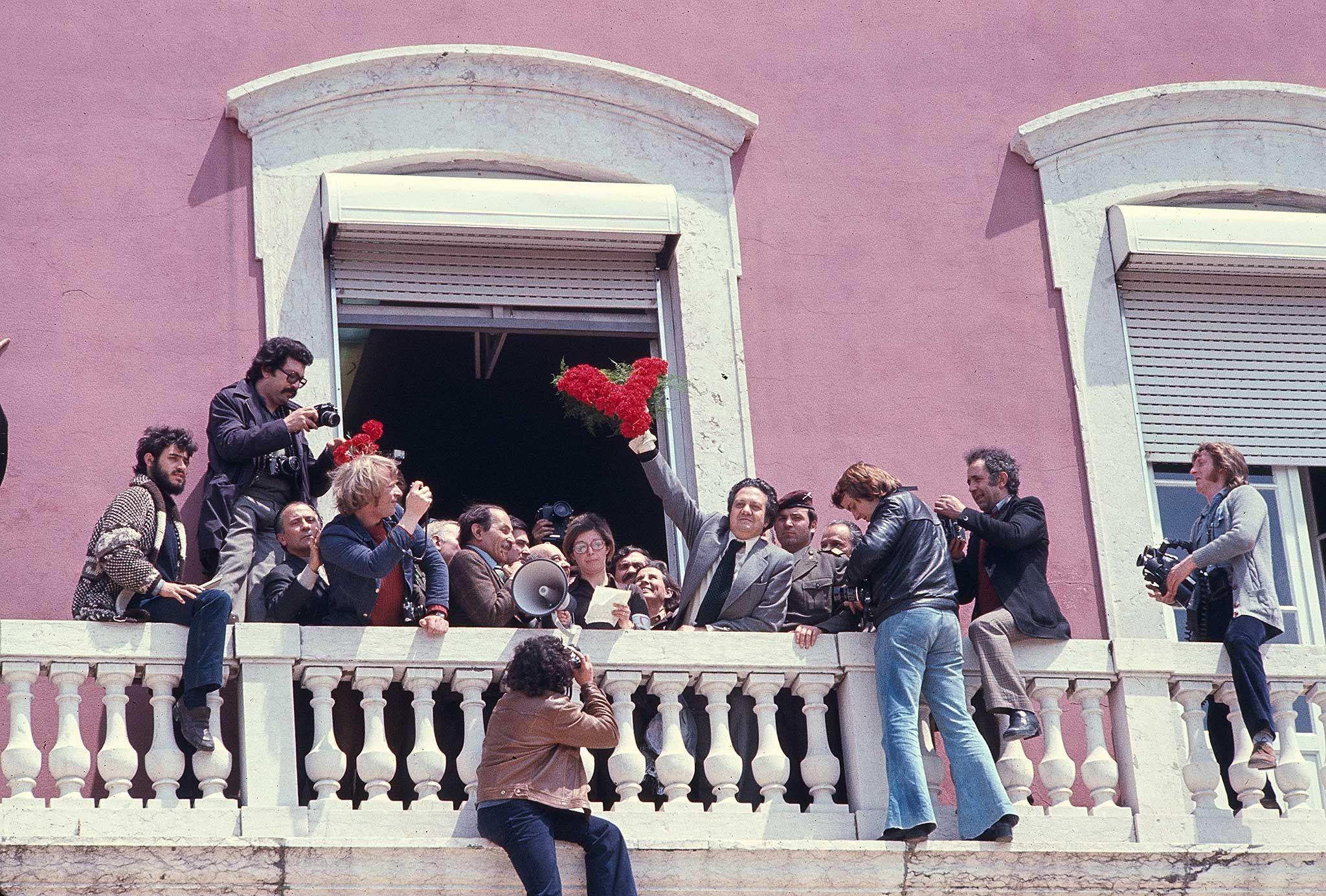
1 de Maio de 1974
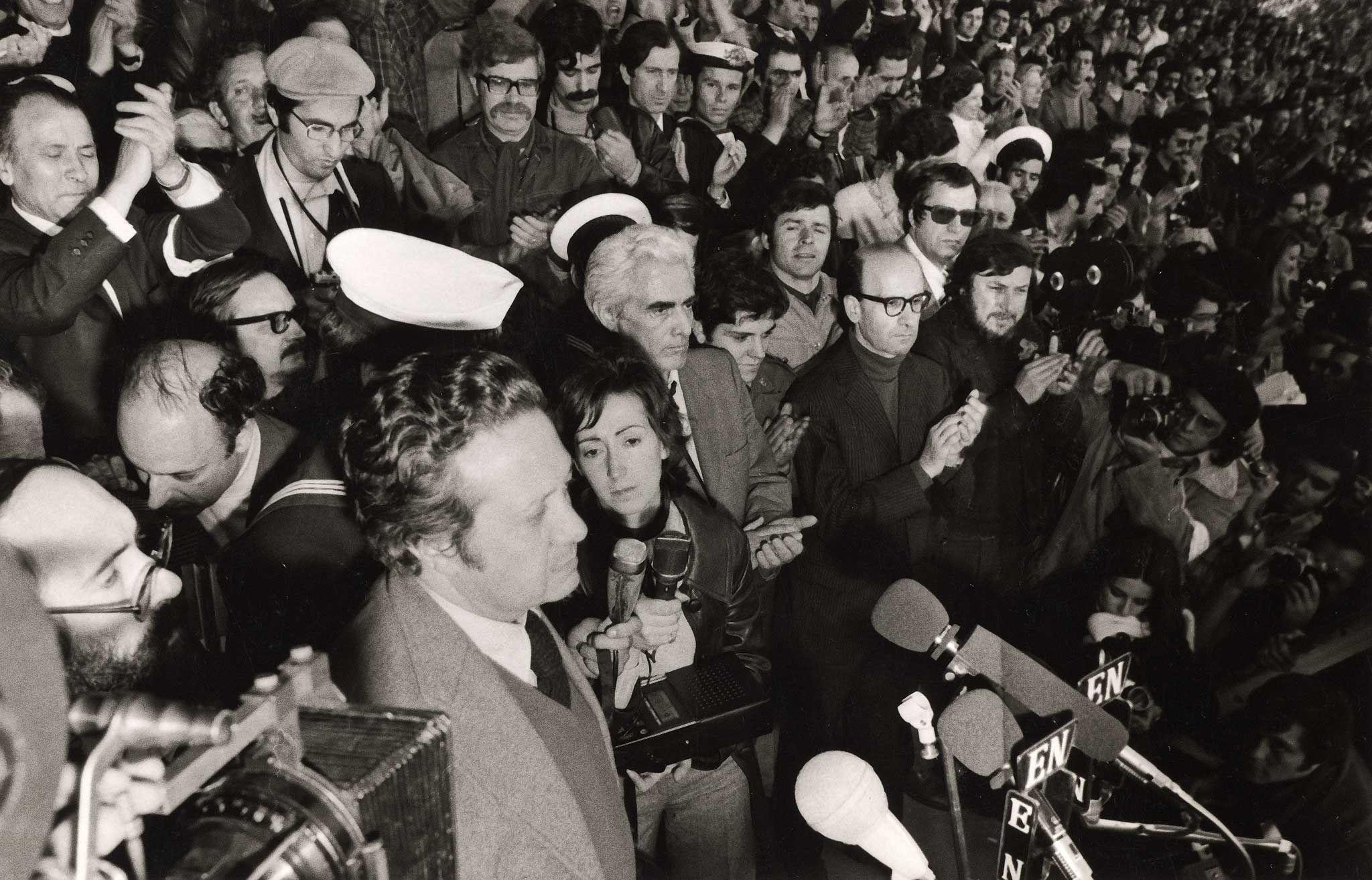
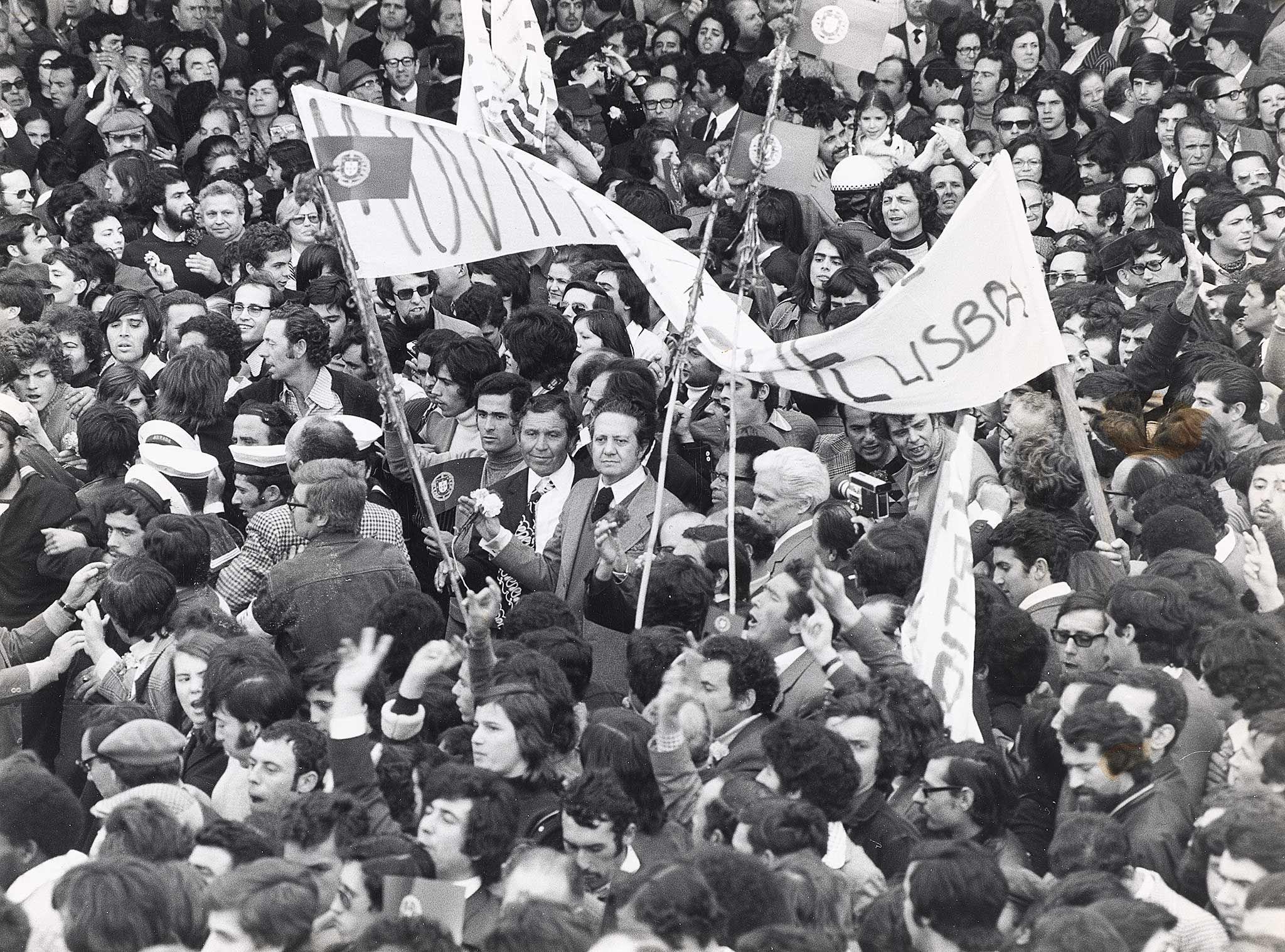
“Uma festa imensa, uma festa da fraternidade. Eu estava com os meus amigos socialistas. Tínhamo-nos organizado para desfilar juntos. Alguns comunistas aproximaram-se de mim e disseram-me: «O senhor deve ir à frente, ao pé do camarada Cunhal.» Como não via nenhum inconveniente, aceitei. Coloquei-me ao seu lado, no meio do júbilo popular. No estádio, fizeram-nos subir para a tribuna. Perguntei então aos organizadores, os sindicalistas, de que forma se deveriam organizar os discursos. Um deles respondeu-me: «só estão previstos quatro oradores, um dos quais o senhor, naturalmente. O último a intervir será Cunhal.» Eu perguntei então: «Porquê Cunhal em último lugar?» E eles retorquiram-me: «Porque é o mais velho»! Essa grande concentração popular foi a única que fizemos juntos”.
A morte de um Império
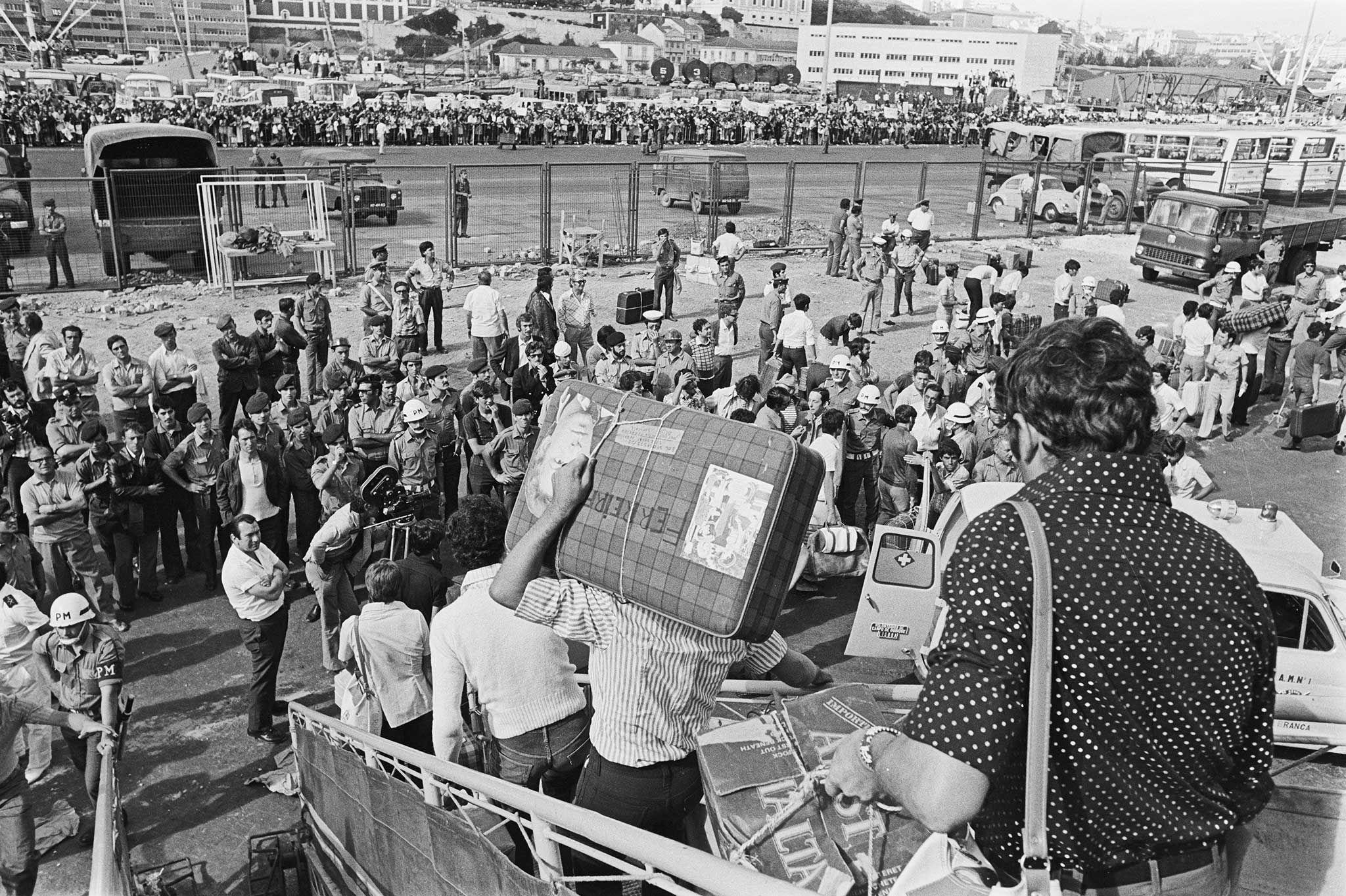
“O caminho que empreendemos era o único realista. Durante todo este período a descolonização foi rápida e pacífica. Não se pode ignorar que abordámos a descolonização nas piores condições, após catorze anos de uma guerra que estava militarmente perdida, já que as nossas tropas se recusavam a combater mais tempo. De resto, não tínhamos qualquer margem de manobra para poder negociar. Decénios de política colonial fascista deixaram as populações na incapacidade de se adaptarem a uma nova situação.”
Um Europeísta Convicto
“Sou um europeísta convicto, partidário da Europa do possível. De Gaulle via muito longe ou muito alto, e com um só olhar abarcava todo o continente, dos Urais ao Atlântico. Sejamos menos ambiciosos: temos constituído uma comunidade, que tem de crescer, de expandir-se. Confiante no seu próprio dinamismo, pode avançar em direção a um socialismo que se distinguirá naturalmente dos que conhecemos hoje, porque se manterá fiel às suas tradições de humanismo e de liberdade. Eis o movimento histórico em que o povo português se deve integrar.
Evidentemente, estamos ainda na cauda da Europa, mas dela vem o essencial da nossa identidade: uma civilização, uma cultura, um sistema de referências, hábitos, aspirações, motivações, e mesmo um nível de vida que se pretende comum.”
O Ministro dos Negócios Estrangeiros
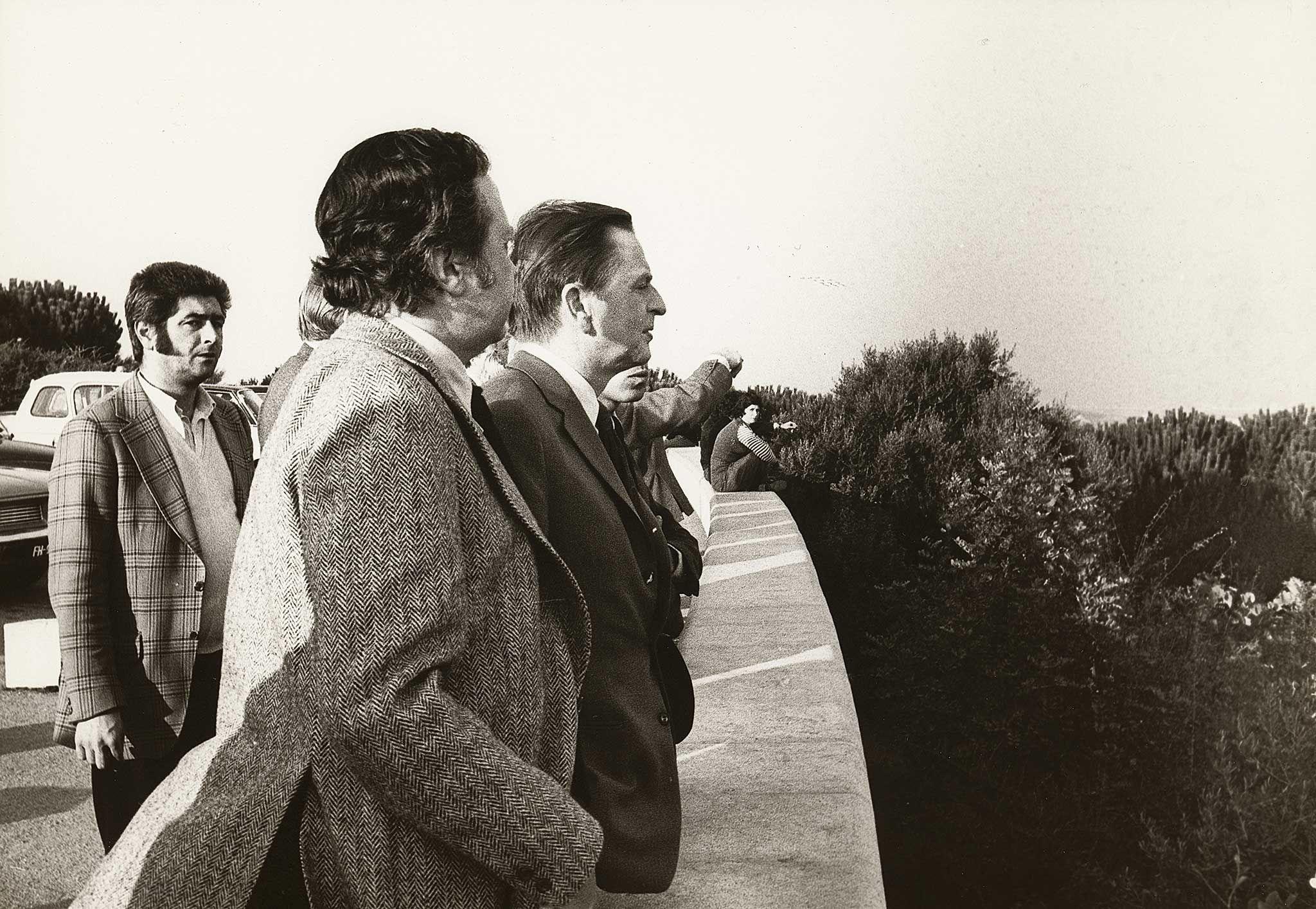
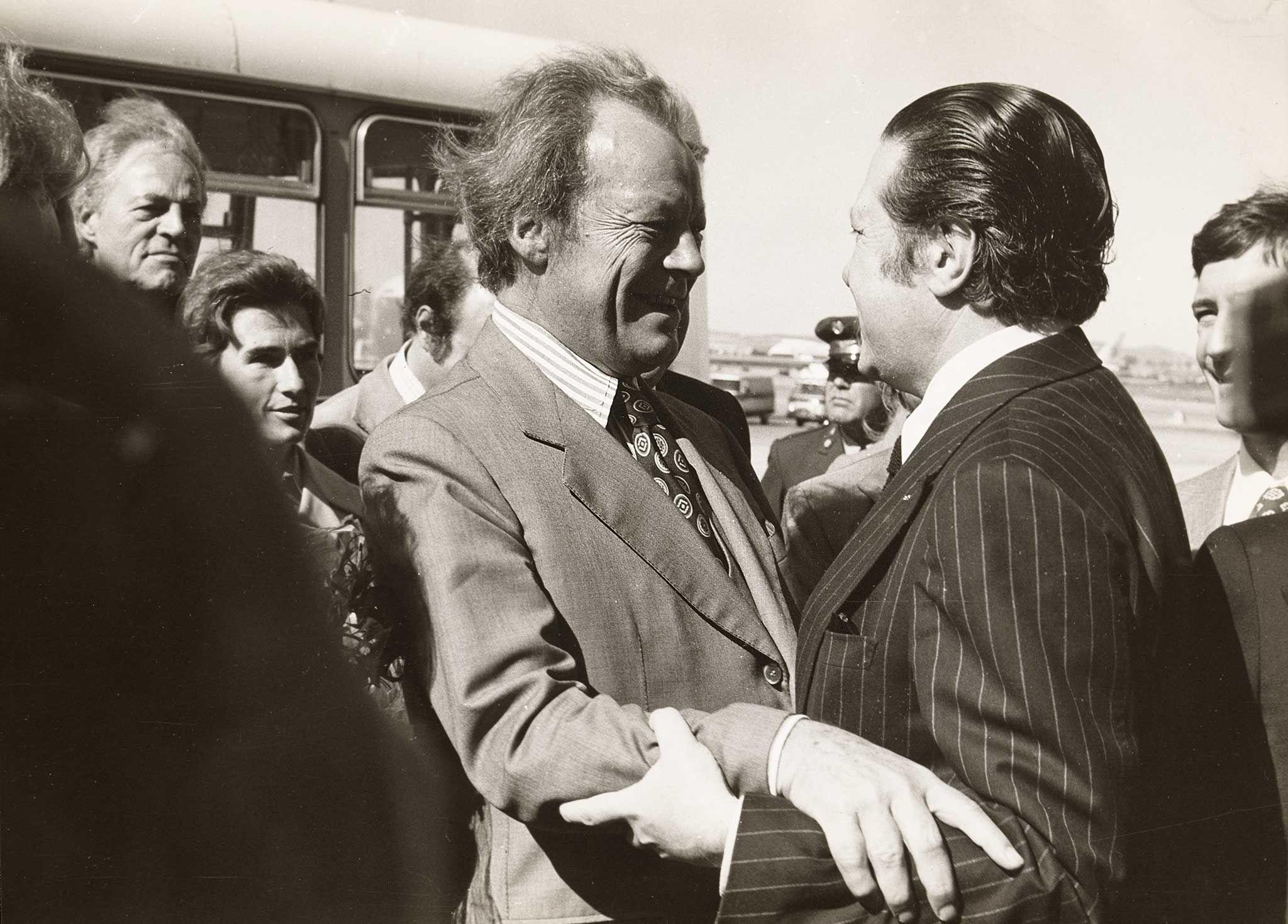
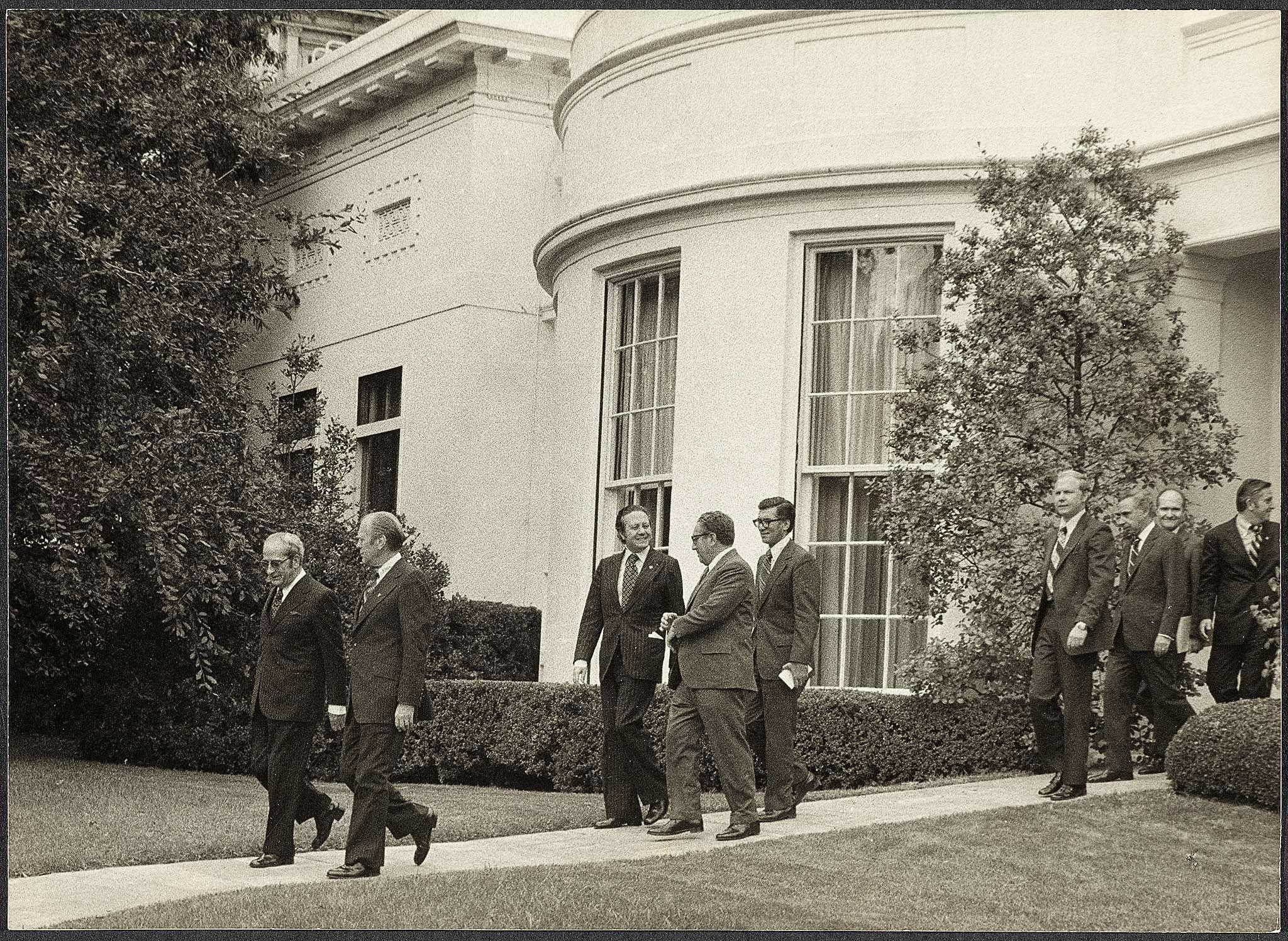
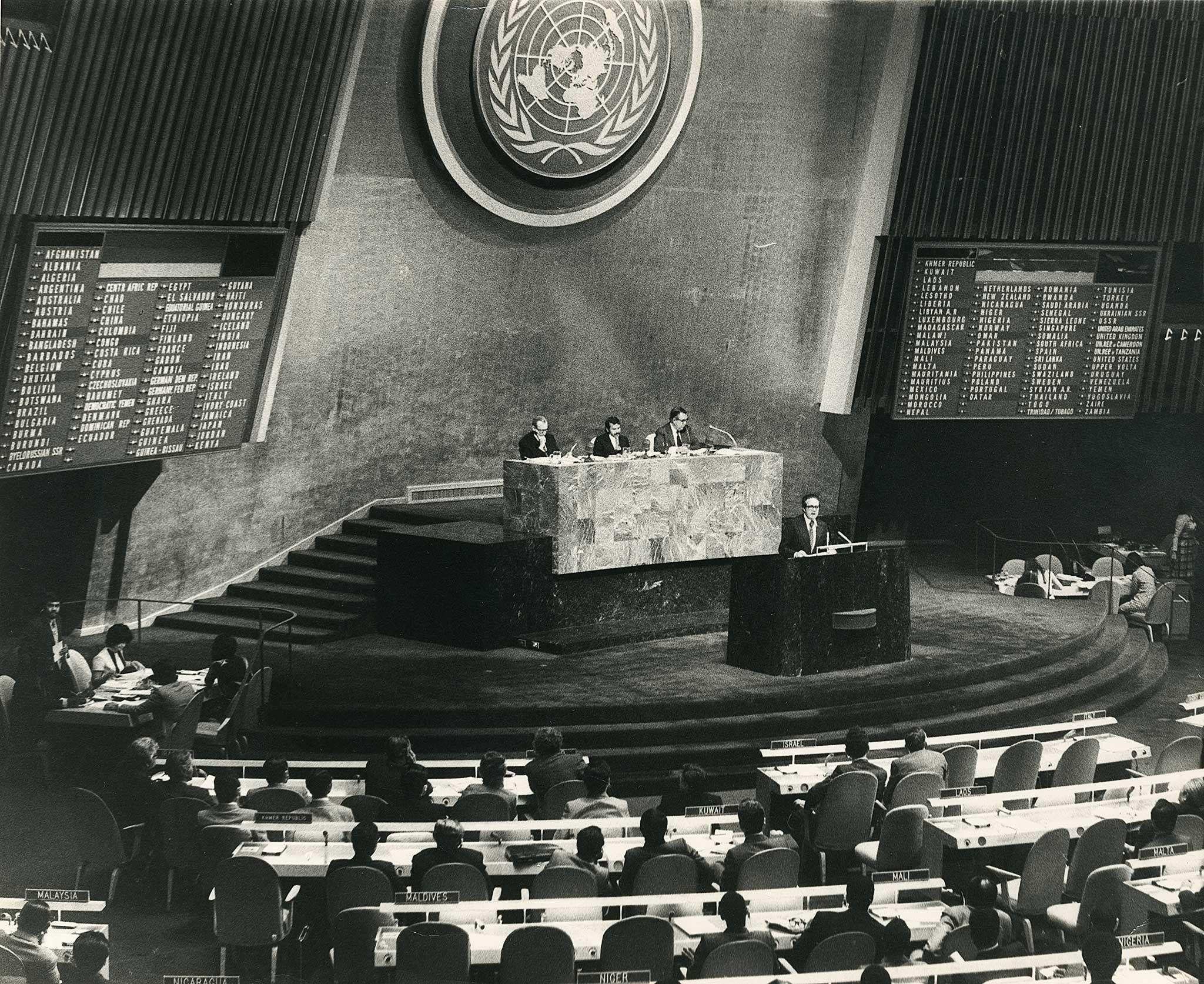
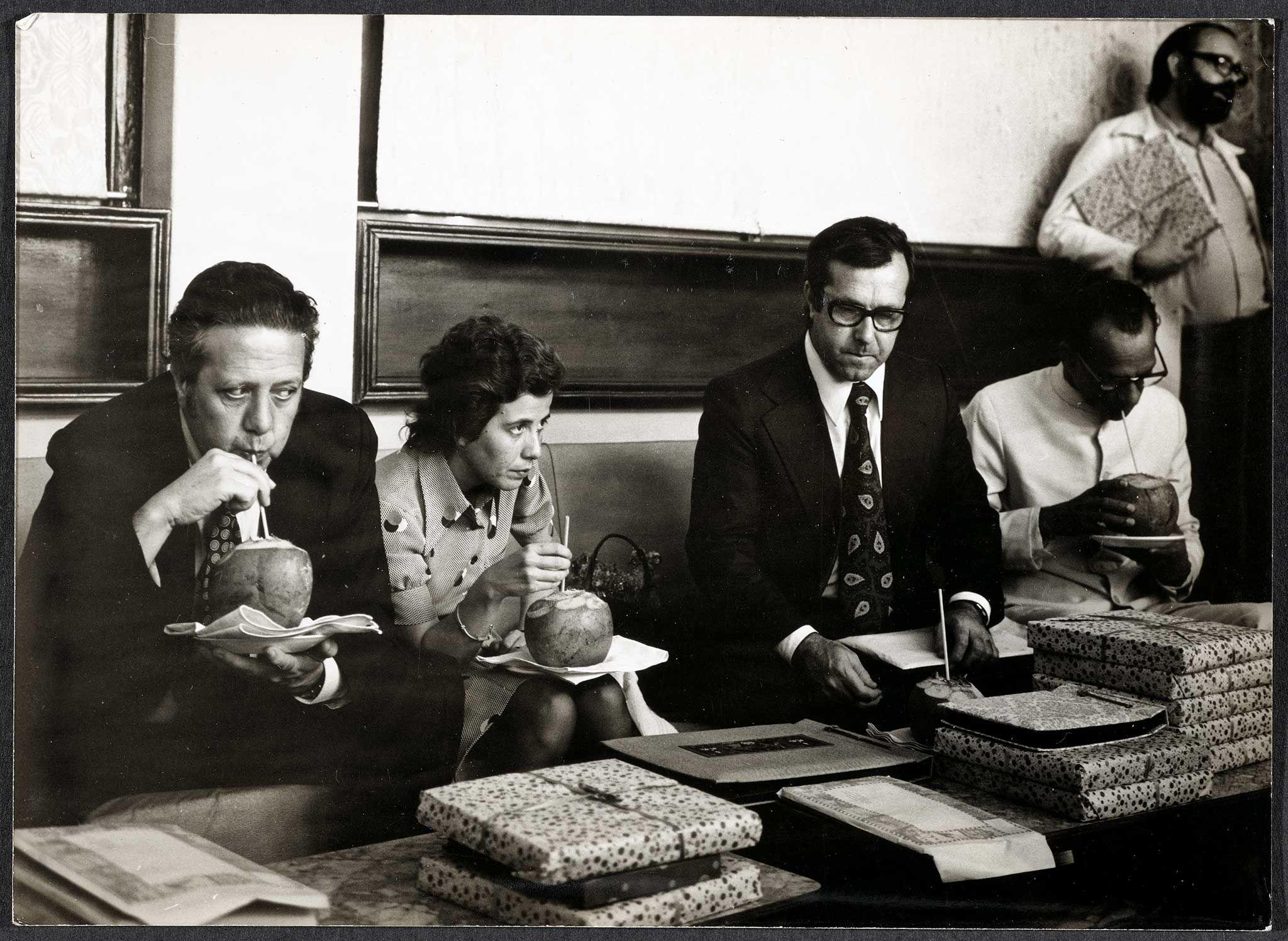
“A minha única pena, quando abandonei o Ministério dos Negócios Estrangeiros, foi não ter conseguido estabelecer relações diplomáticas com Pequim. (…)
Fui o artífice da abertura a Leste e preconizei sempre o alargamento e a diversificação das nossas relações com os países comunistas e com os países do Terceiro Mundo, asiáticos, árabes e africanos. Aliás, as viagens oficiais que realizei à União Soviética, à Jugoslávia, e à Roménia ou a países do Terceiro Mundo, como a Tunísia, a Líbia, a Somália e a Índia, contribuíram bastante para isso, e felicito-me por que assim tivesse sido.”
O Partido Socialista e o seu primeiro congresso
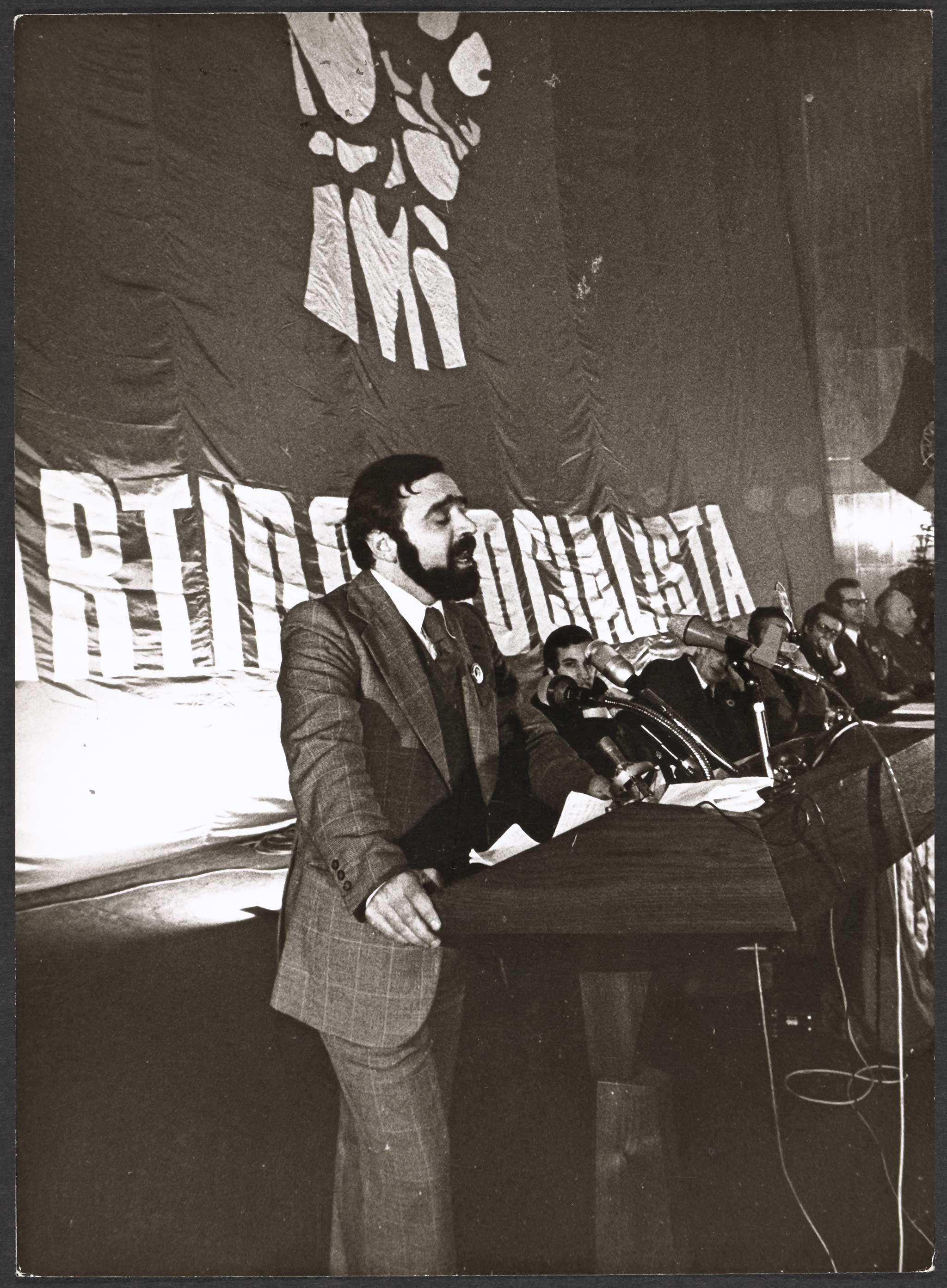
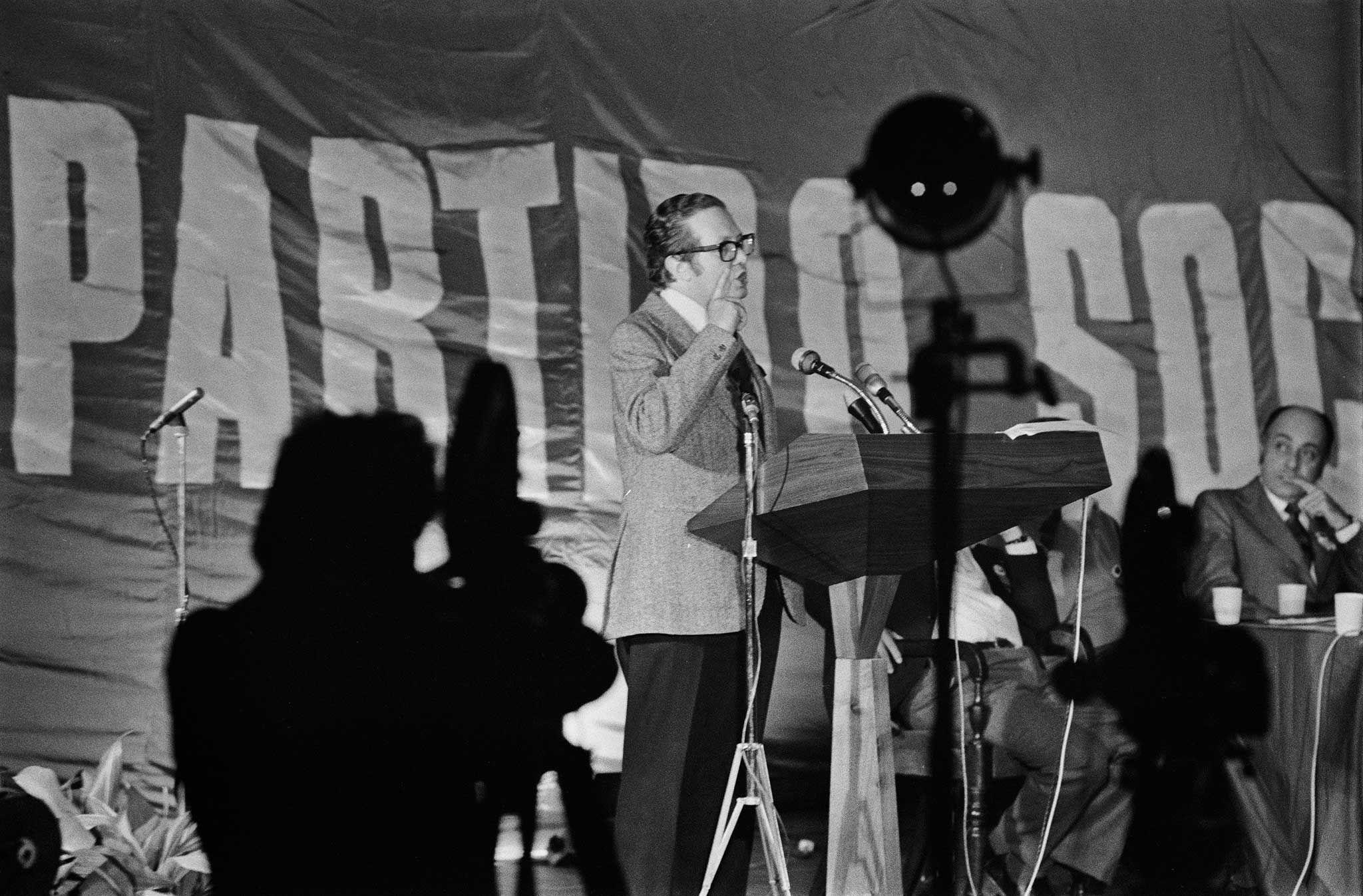
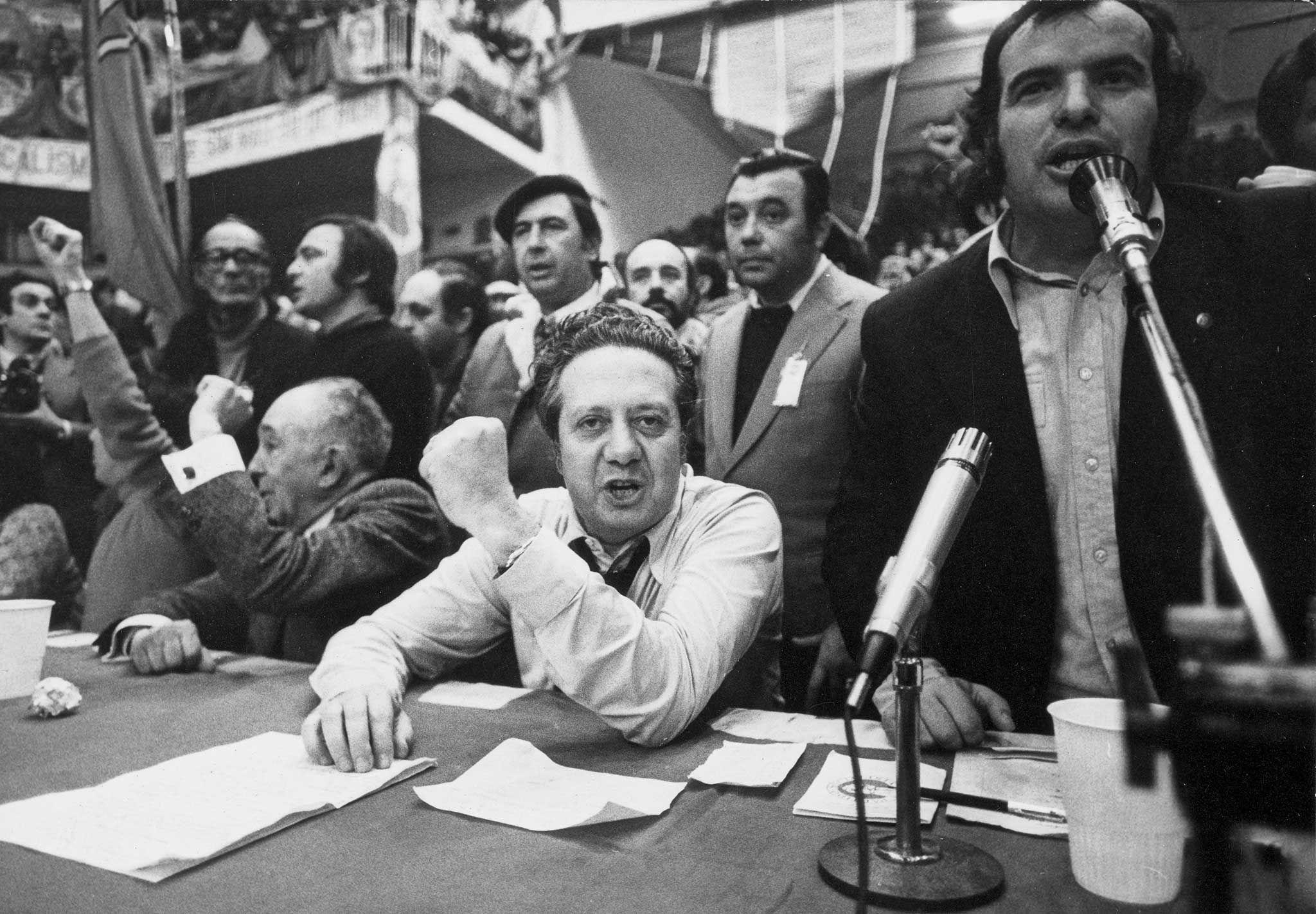
“Centenas, milhares, muitos milhares de pessoas chegavam de toda a parte, entravam, inscreviam-se no Partido, sem que se pudesse controlar quem quer que fosse. Mas, deste modo, o Partido ganhou corpo e institucionalizou-se em todo o Portugal. O congresso foi, pois, a oportunidade de o dotar de um esqueleto, de vértebras sólidas, de uma cabeça e de ombros.”
“Senti, desde o primeiro dia do Congresso, que um golpe torpe se preparava na sombra: os militantes que asseguravam o serviço de ordem eram-nos hostis, e as reações de grande parte da sala não menos desagradáveis. (…) Foram apresentadas duas listas para a Comissão Nacional: uma partia do «clã Serra»; a outra era apadrinhada pela antiga direção. A batalha havia começado.
(…) A operação Serra foi mal sucedida, mas o Partido ficou em estado de choque, apesar dos vibrantes apelos à unidade lançados de um e de outro lado no fim do Congresso, apesar dos abraços e da euforia geral”.
Os Acordos de Alvor e a independência de Angola
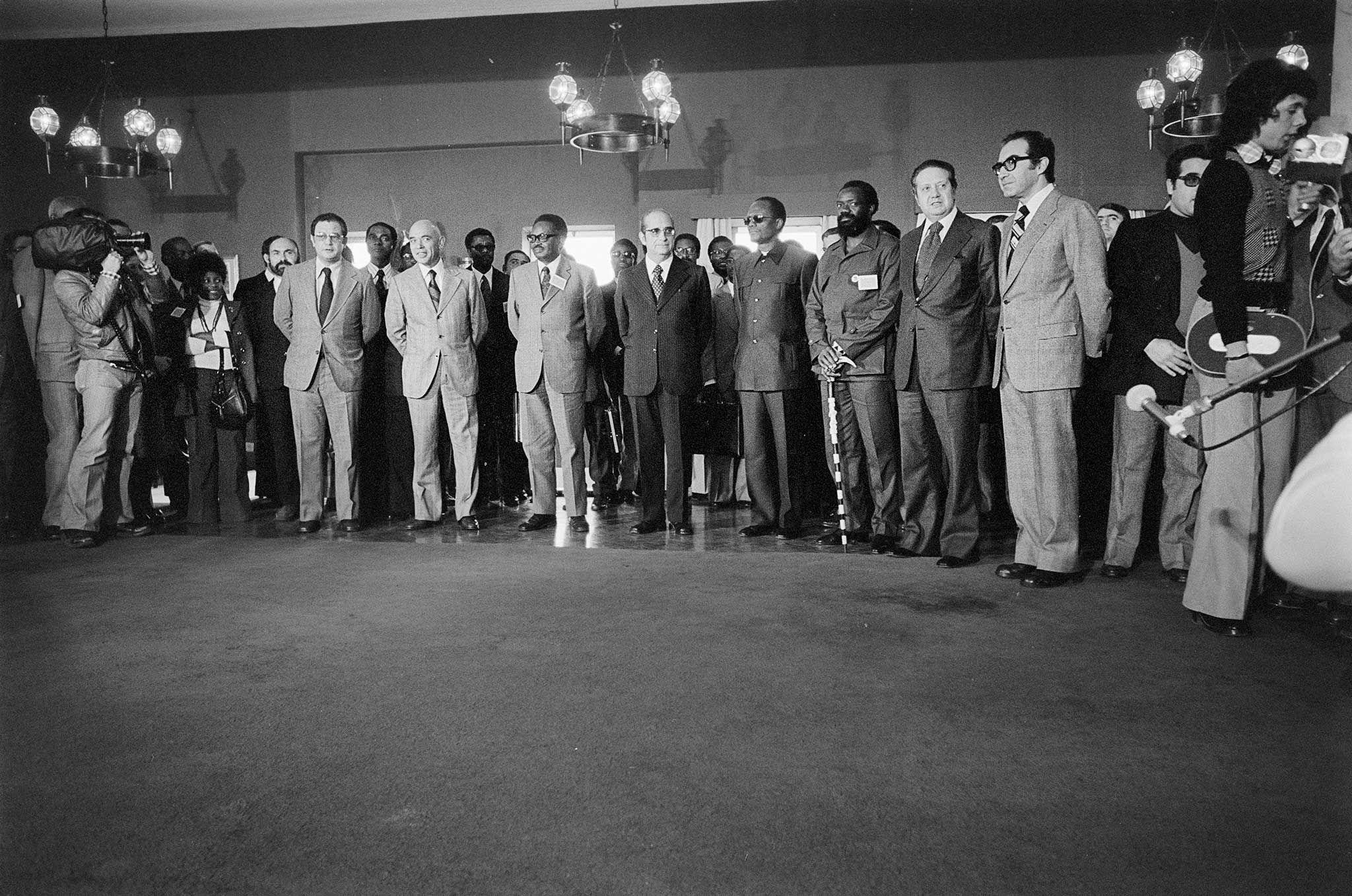
“Os acordos de Alvor, com os três movimentos angolanos, que estabeleciam a independência de Angola, foram assinados em janeiro de 1975, por Almeida Santos, Melo Antunes e por mim. E, pela parte de Angola, por Jonas Savimbi, Agostinho Neto e Holden Roberto, os líderes dos três partidos nacionalistas: UNITA, MPLA, FLNA. Esses acordos de Alvor fixaram as modalidades da independência. O último soldado português deveria abandonar o território angolano antes de 11 de Novembro de 1975.”
Contra a Unicidade Sindical
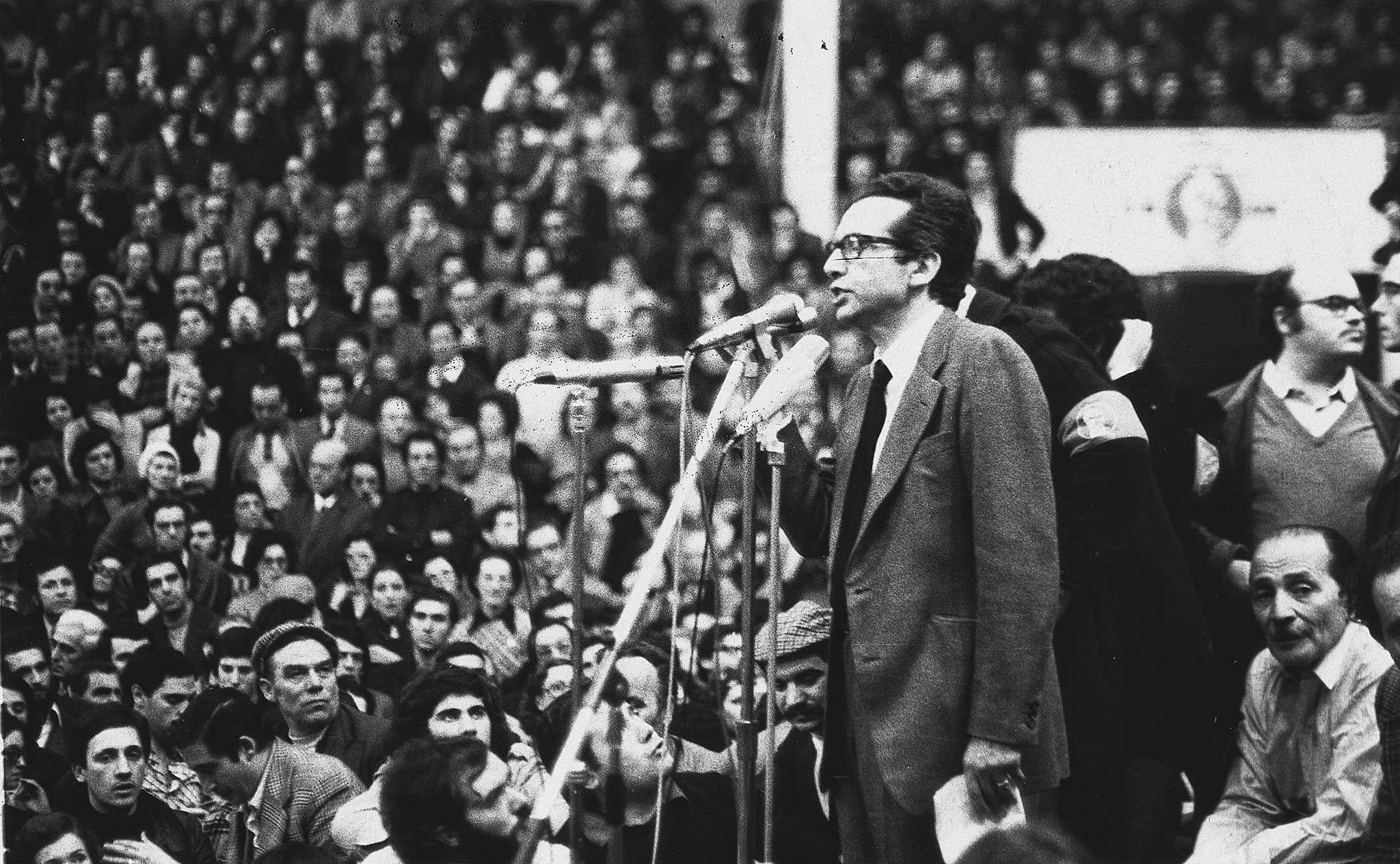
“A verdadeira batalha começou de facto algumas semanas mais tarde, quando Cunhal e os seus amigos pretenderam impor as suas concepções sobre a organização da vida sindical. Nós revoltámo-nos contra a ideia do sindicato único, que eles queriam ver consagrada por lei.
(…) Zenha escreveu um artigo escaldante no Diário de Notícias que originou uma resposta imediata do PC. (…) Foi então que organizámos um grande comício do Partido Socialista em Lisboa. Noite memorável; desmontámos o mecanismo da operação e denunciámos a «intoxicação» descarada dos comunistas”.
As primeiras eleições livres
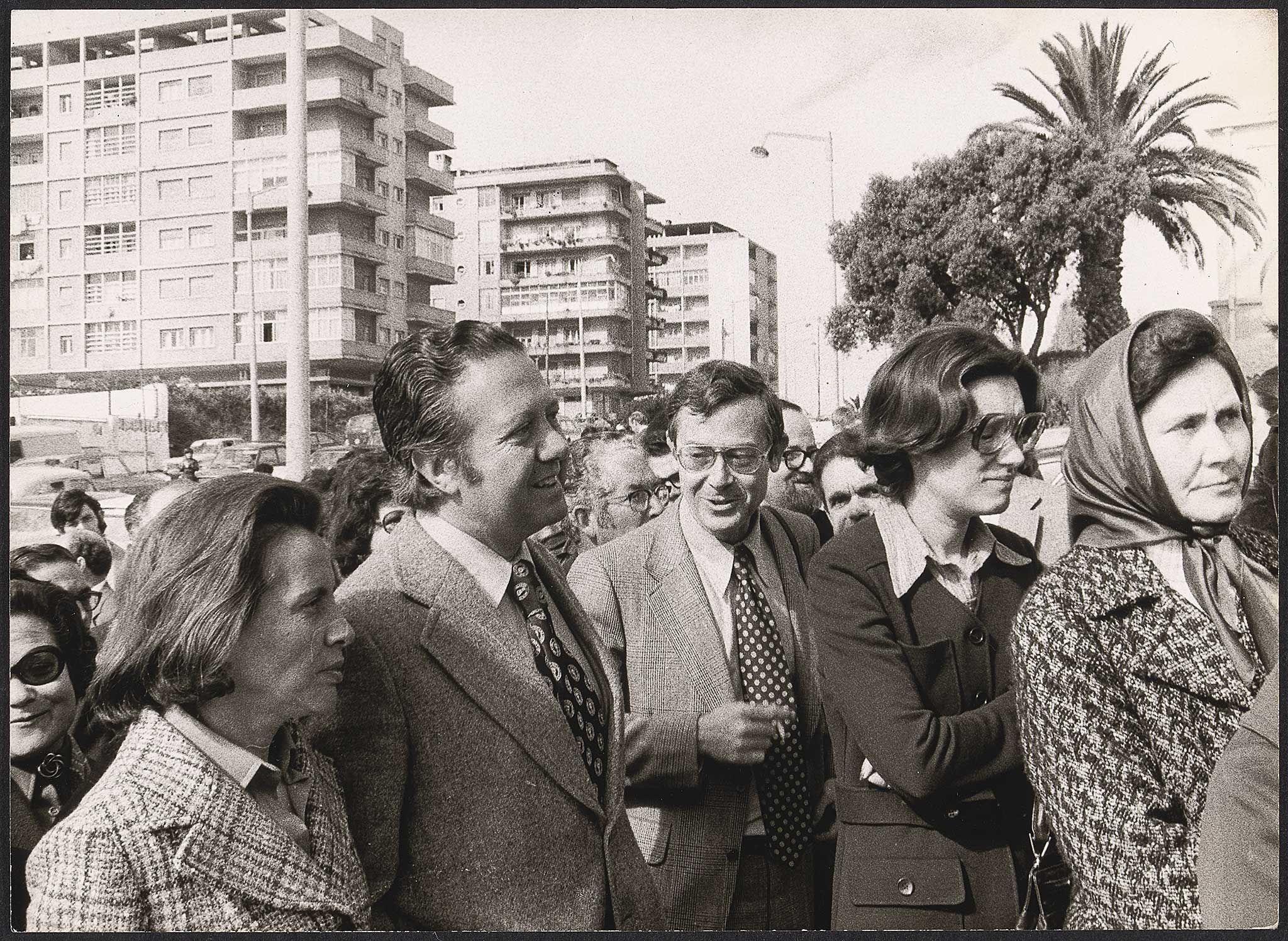
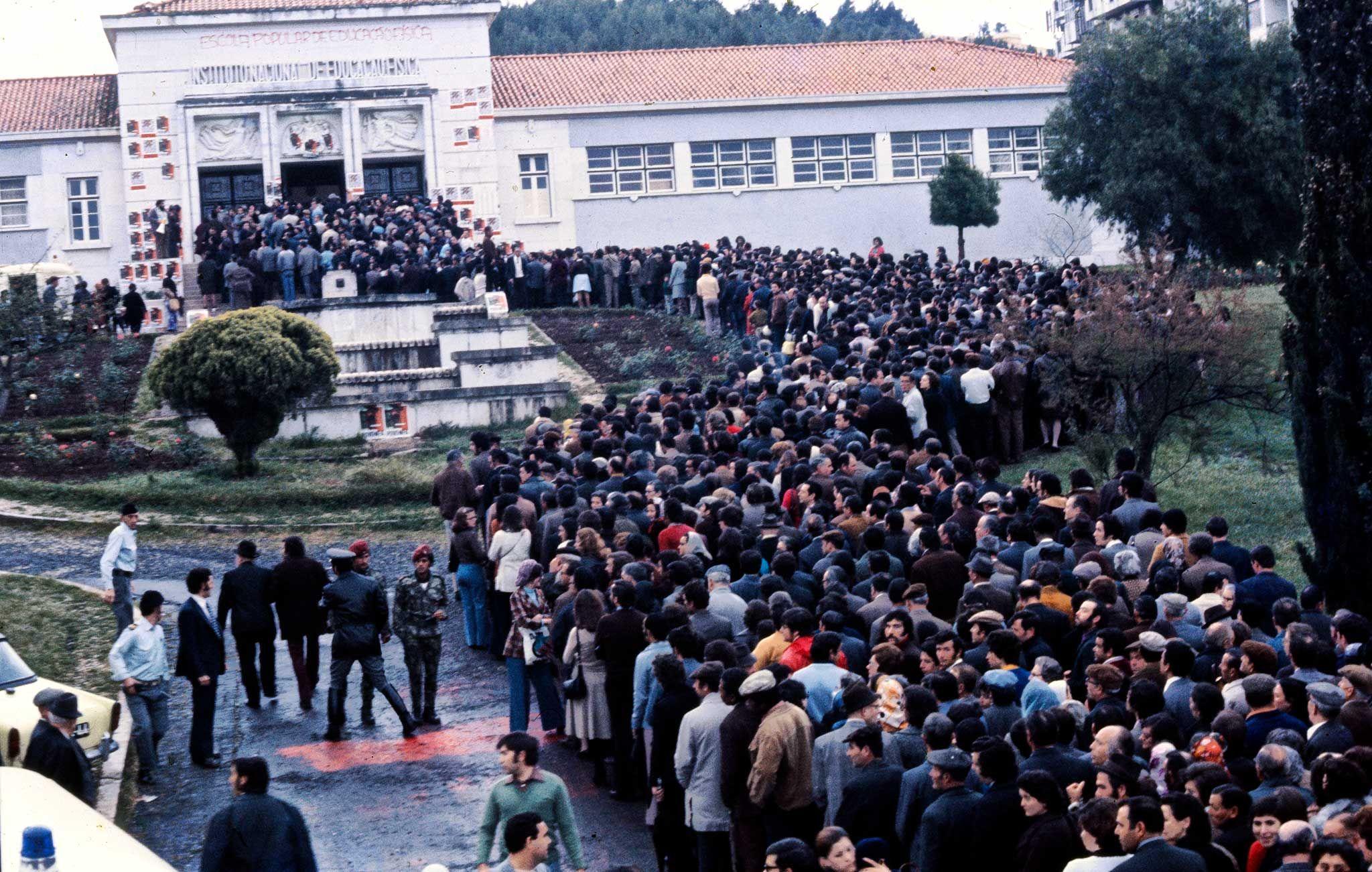
“Desse dia, ficou gravada na minha memória a imagem das bichas intermináveis diante das mesas de voto. Desde as seis horas da manhã, do Minho ao Algarve, operários e camponeses, comerciantes e artesãos, esperavam, aos milhares, numa ordem impressionante, o momento de exercer o seu destino. Plebiscito a favor da democracia a que ninguém quisera faltar: no Norte, por vezes, os camponeses andaram horas para vir desde a aldeia distante até à escola onde votava, e esses velhos de mãos trémulas que punham pela primeira vez na vida um boletim numa urna, orgulhosos por enterrar num só instante quarenta e oito anos de ditadura fascista; e ainda os doentes, transportados em ambulâncias, que votaram sob o olhar inquieto de uma enfermeira… Foi todo um povo, que, nesse dia, testemunhou o seu civismo e o seu entusiasmo pela democracia.”
1 de maio de 1975
“Logo no início das concentrações as manobras começaram: o cortejo do PPD foi praticamente impedido de se agrupar e o do Partido Socialista relegado para a cauda da manifestação, enquanto os comunistas enchiam com as suas tropas o estádio onde devia desenrolar-se o comício. Nas bancadas, no terreno invadido, apenas se viam as suas bandeiras e dísticos. Quando, por fim, muito tarde, o nosso cortejo chegou, quiseram impedi-lo de avançar sob o pretexto de que o campo estava cheio. Pior, um burocrata da Intersindical impediu-me pessoalmente o acesso à tribuna onde Cunhal, sem complexos, saudava a multidão de braços erguidos!
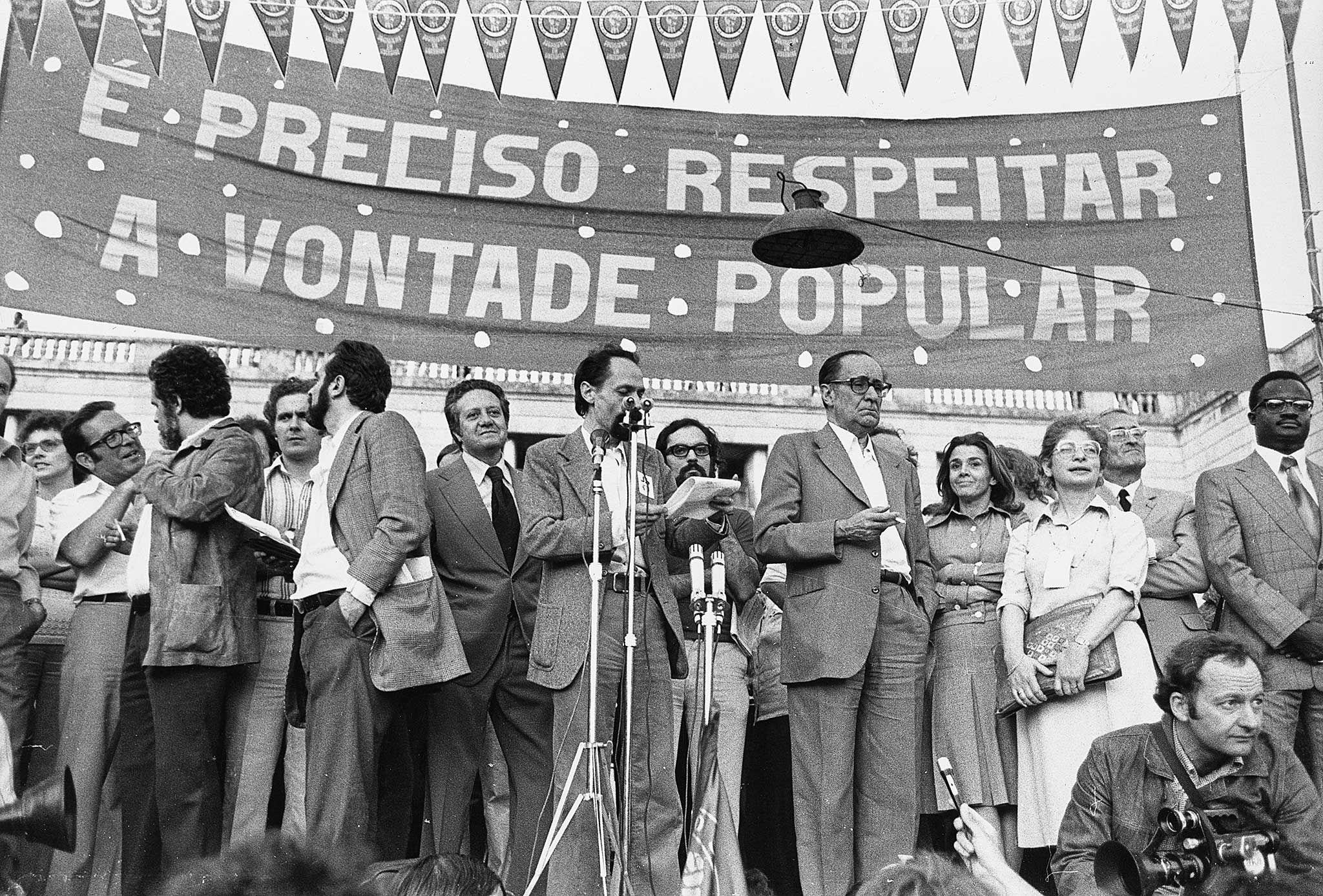
O objetivo era claro: mostrar aos militares, aos adversários políticos, a toda a gente, que as eleições em nada tinham modificado a relação de forças antes existente e que a revolução «deles» continuava a processar-se como anteriormente. (…) Desta vez, os comunistas tinham ido longe de mais. Brincando com o fogo, eles haviam lançado as massas populares na rua. Contra eles. A nosso apelo, no dia 2 de Maio, uma multidão imensa subiu a Avenida da Liberdade. Grita apenas uma coisa: «É preciso respeitar a vontade popular.»”
O caso do jornal República
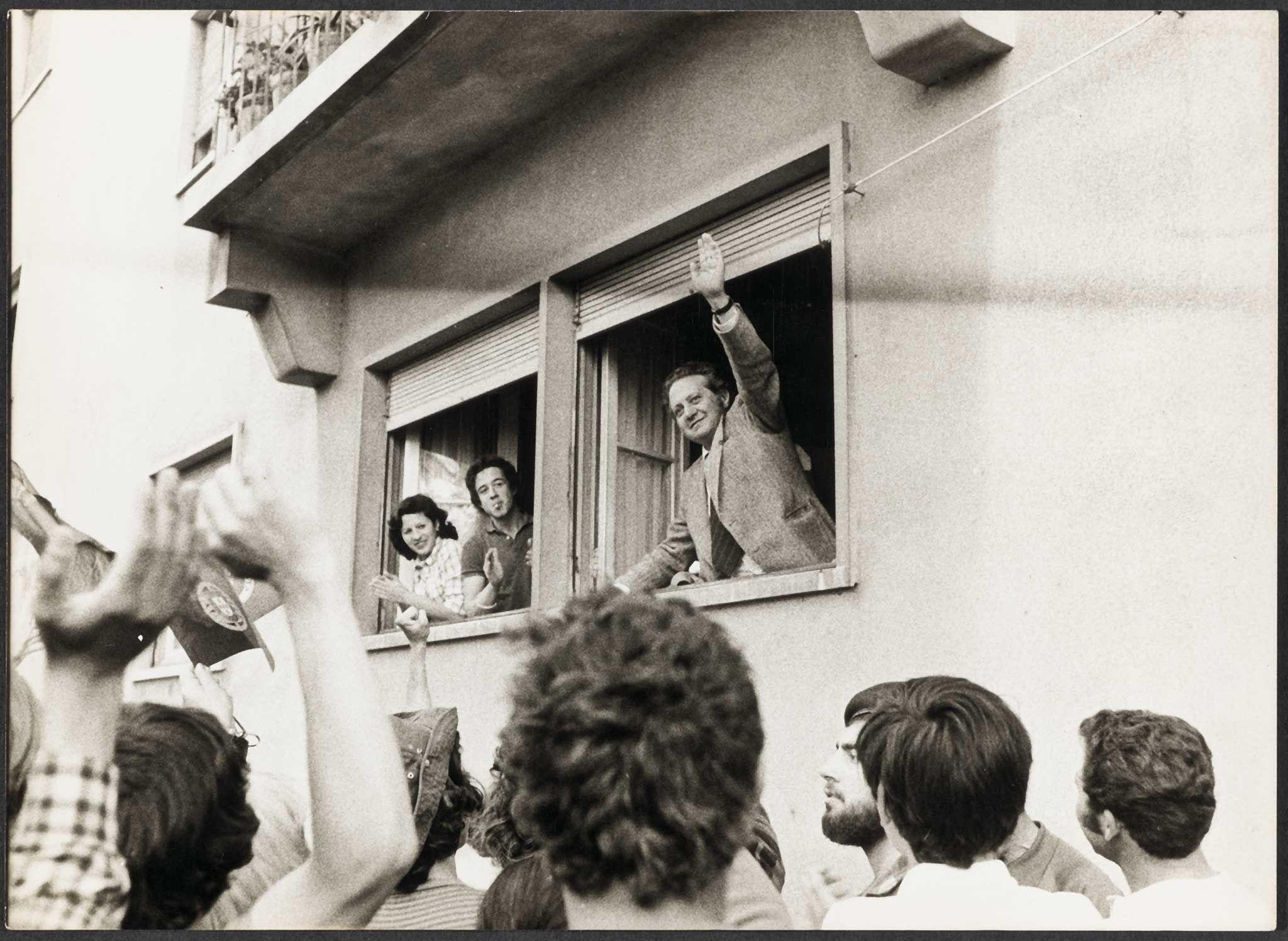
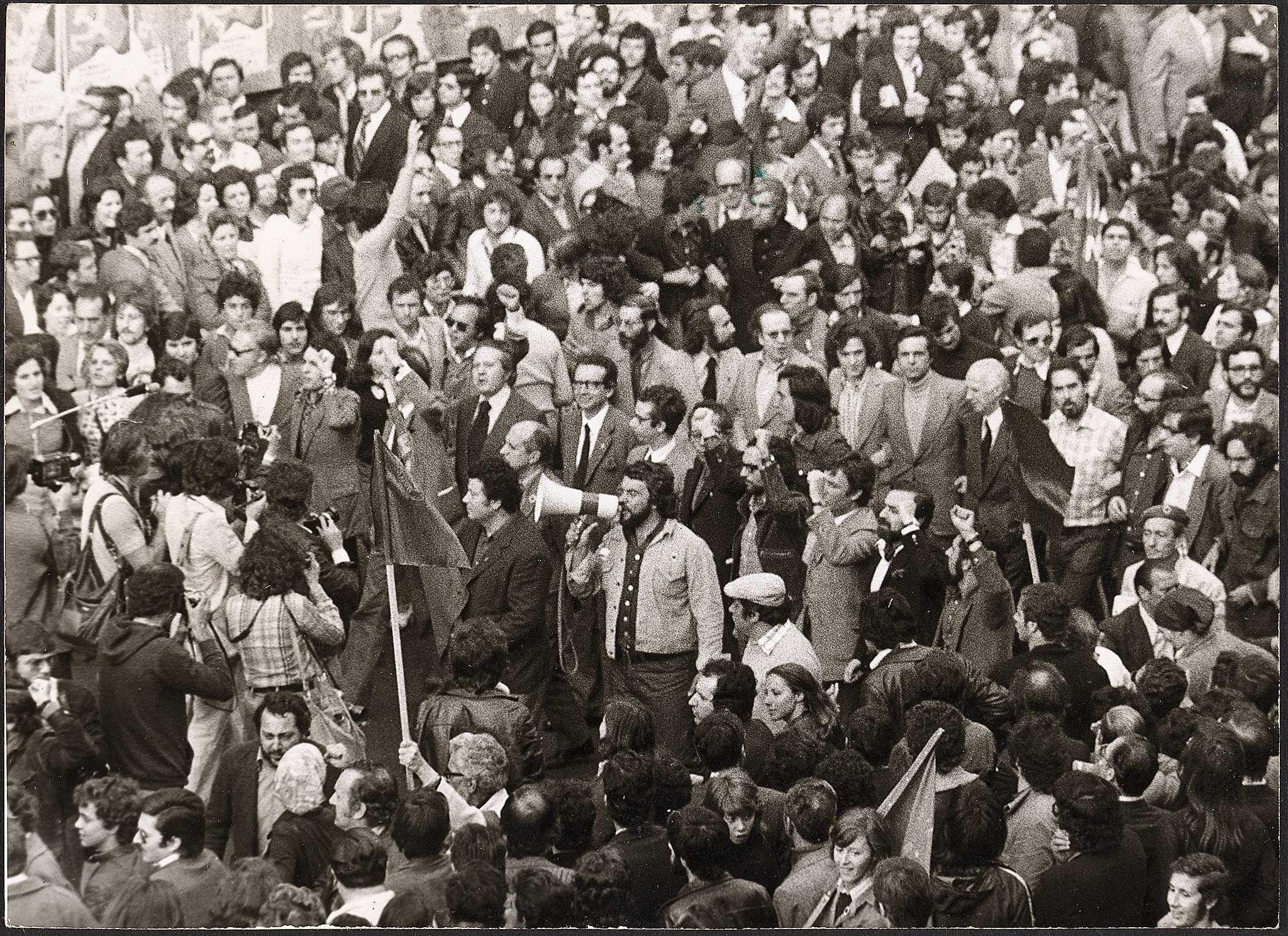
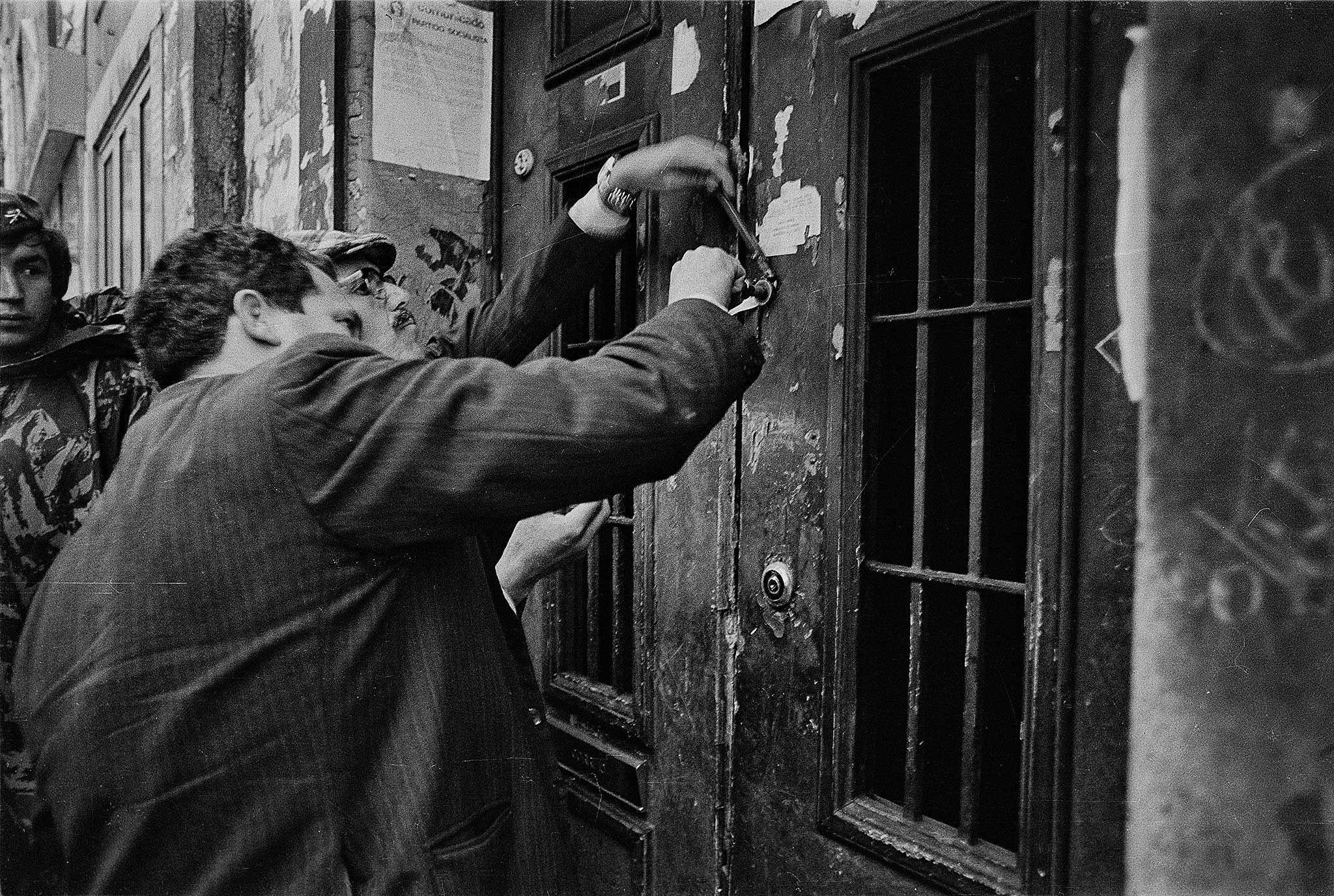
“O República foi ocupado pelos esquerdistas e pelos comunistas. Os redactores eram socialistas, e o jornal propriedade de uma espécie de cooperativa que pertencia aos socialistas. Durante um dia e uma noite, apoiámos, a partir da rua, os jornalistas socialistas sequestrados pelos auto-proclamados «trabalhadores revolucionários». Os militares intervieram e fecharam o jornal. Ora, fechar o República era fazê-lo calar e matá-lo. Zenha e eu, os únicos socialistas do governo, apresentámos ambos a demissão.”
O Comício da Fonte Luminosa
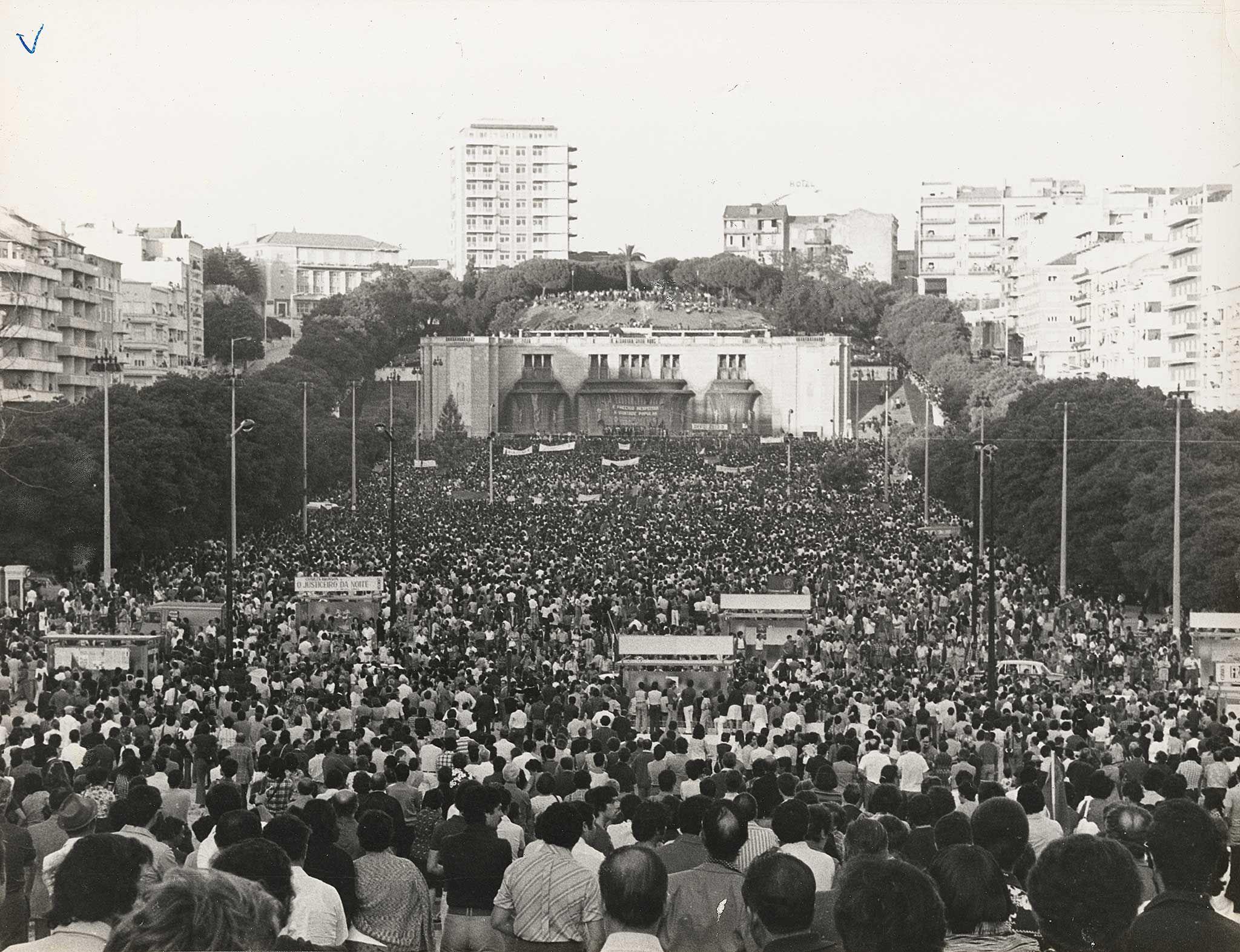
“O Primeiro-ministro, no dia seguinte ao discurso, apresentava-se impassível, como se nada fosse. O Povo Português tinha-lhe dito que se fosse ir embora: «Fora o Vasco!» - gritaram milhares e milhares de portugueses. Mas ele continuou agarrado ao poder com uma determinação que desafiava todas as previsões… De nada lhe valeu. O seu papel na Revolução Portuguesa esgotara-se naquele dia. Acabou ali – na histórica manifestação da Fonte Luminosa.”
O Verão Quente
“Quotidianamente, misturados com as massas populares, os nossos militantes reflectiam, pelo seu ardor, os sentimentos profundos do Povo Português, cansado de desordem e inquieto pela ameaça de uma nova ditadura que se perfilava no horizonte nacional. Ao começarmos um tal combate, estávamos certos de corresponder às aspirações populares. Furtando-nos aos nossos deveres, teríamos feito o jogo de uma direita que ficaria feliz por poder polarizar em torno de si o descontentamento crescente.”
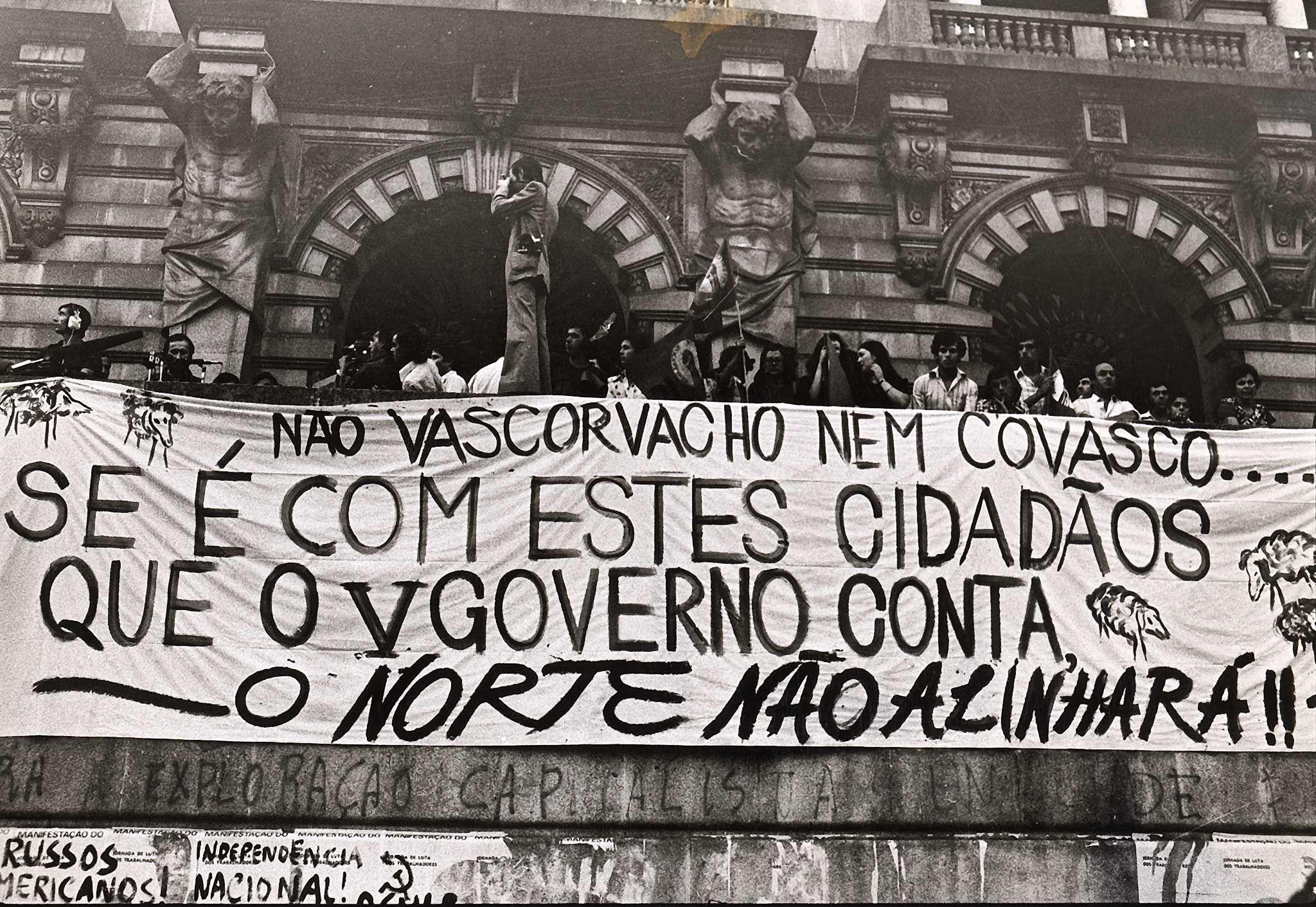
VI Governo Provisório
“O governo começou a trabalhar elaborando um plano de emergência, de forma a fazer face aos enormes problemas económicos do momento, a obter uma ajuda do estrangeiro e a poder pôr um pouco de ordem no mundo do trabalho. Mais que qualquer outro governo, precisava de autoridade e força moral, a fim de conduzir o país até às eleições legislativas, previstas para a Primavera de 1976.
Os fanáticos da subversão compreenderam bem que assim era e imediatamente tentaram sabotar a ação do VI governo em todo o lado onde podiam agir.”
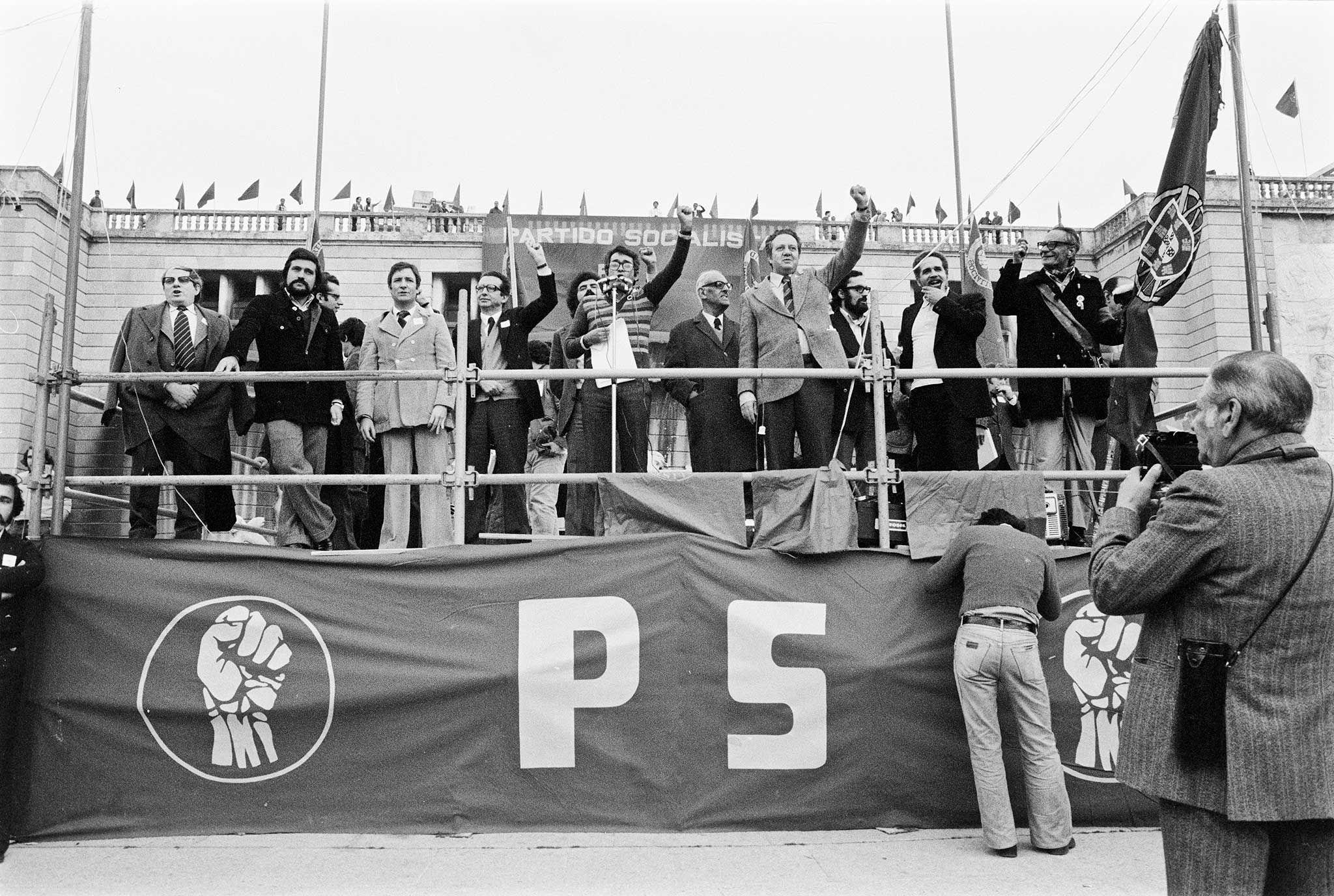
O cerco à Constituinte
“Foi no dia da minha primeira intervenção na Assembleia. Acabara de explicar a razão por que o meu partido se opunha ao reconhecimento unilateral imediato do MPLA e voltava ao meu lugar quando vieram dizer-me que havia uma importante manifestação de operários da construção civil em frente do Palácio. Fui a uma janela e apercebi-me de que uma verdadeira milícia paramilitar, que enquadrava os manifestantes, se preparava para ocupar certas posições-chave perto das saídas. Imediatamente imaginei a sequência: cerco, ultimato, chantagem, etc., e achei preferível estar fora do momento em que tal acontecesse.”
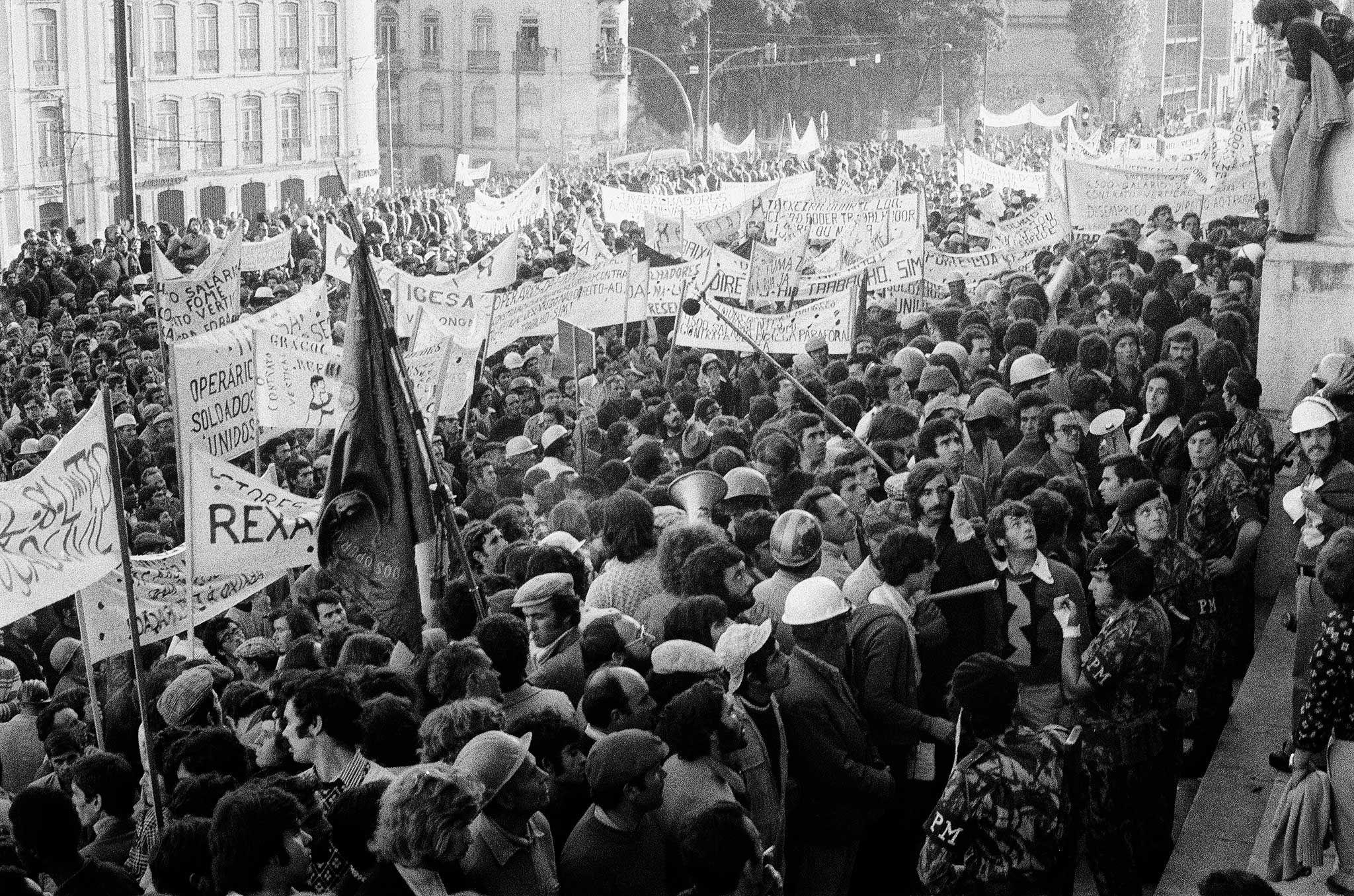
O 25 de Novembro
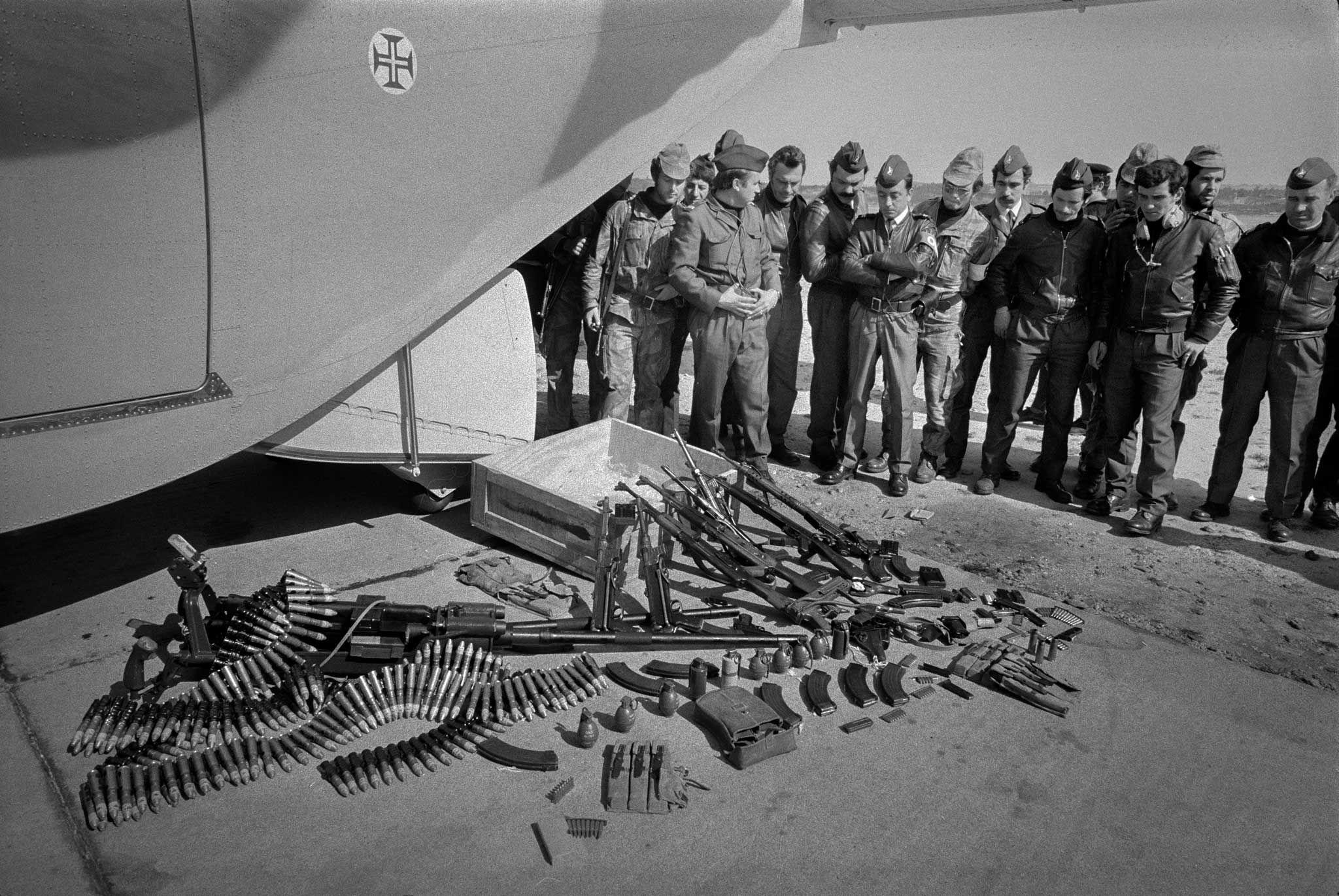
“Quando, na madrugada do 25 de Novembro, eclode a revolta dos para-quedistas, é fácil compreender que os aventureiros, fiéis às suas promessas, encetam a fase preliminar da insurreição. (…) O 25 de Novembro salvou a Revolução. Se a louca aventura dos comunistas e dos esquerdistas tivesse triunfado, a História de Portugal ficaria enriquecida com uma «comuna de Lisboa» e com uma guerra civil: os insurrectos ter-se-iam aguentado um mês, talvez mesmo mais, antes de serem massacrados. E o país viria a ser esmagado pela bota de novos ditadores, ávidos de vingança e de poder.”
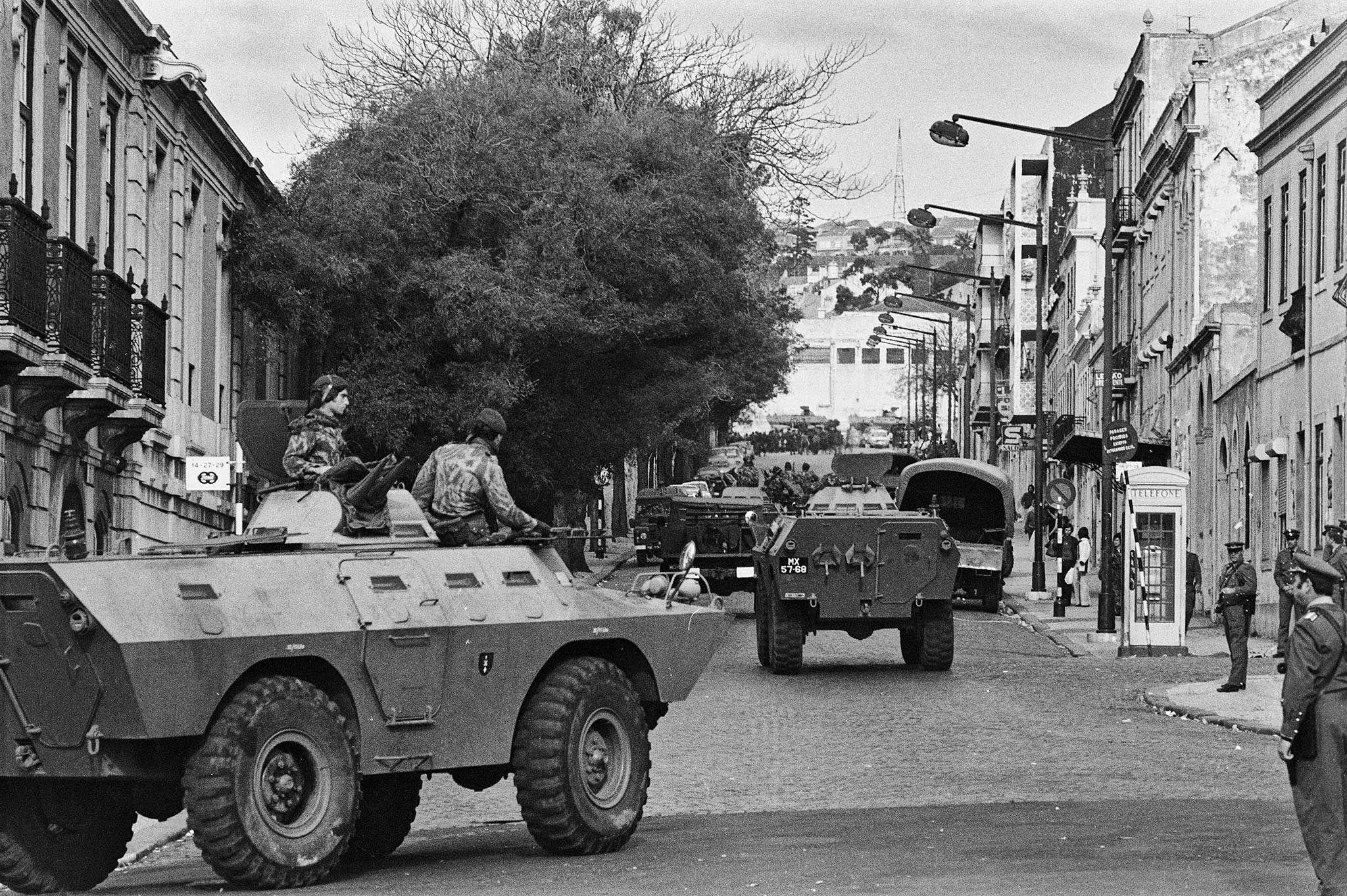
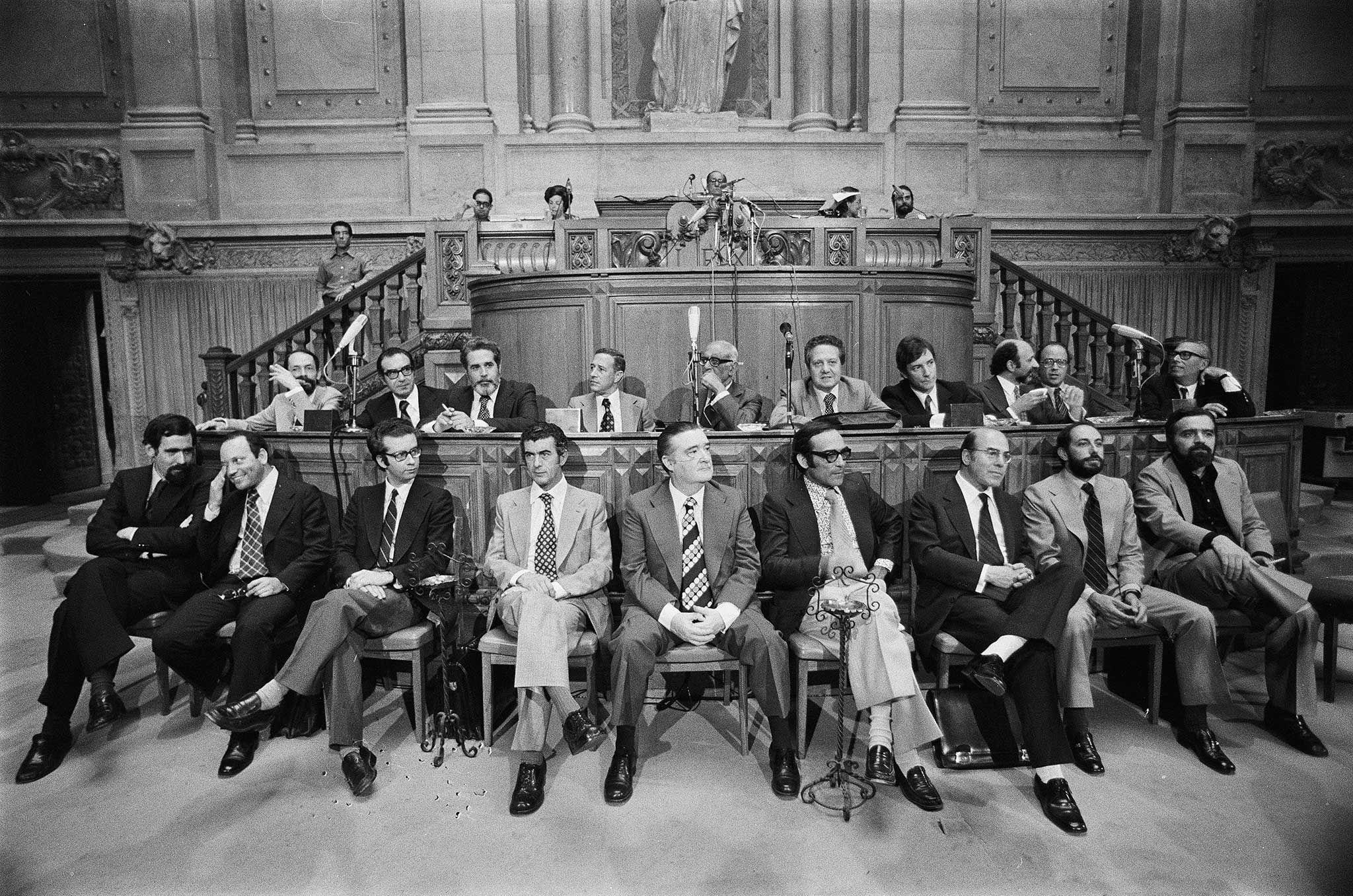
Primeiro-ministro do I governo constitucional
“O meu primeiro governo foi uma espécie de laboratório de ciências políticas, com um curso intensivo - aprendemos apenas num ano. Foi uma experiência que nenhum Partido Socialista ocidental conhecera até então (…). Encontrámos muitas dificuldades no seio desse governo que durou um ano e meio. No entanto, conseguimos impor a nossa política apesar das greves, que aceitámos e respeitámos, das manifestações e dos ataques de todos os tipos, das intrigas conduzidas tanto internamente como depois no estrangeiro”.
Ficha Técnica
Curadoria
José Manuel dos Santos
Filipe Guimarães da Silva
Pedro Marques Gomes
Texto e legendas
Yves Léonard
José Manuel dos Santos
Pedro Marques Gomes
Filipe Guimarães da Silva
Desenho da exposição
Susana Cruz
Fotografias
Arquivo da Fundação Mário Soares e Maria Barroso
Produção
António Coelho
Osita Eleutério
Pedro Urbano
Tradução
Bernardo Sá Nogueira
Filipe Guimarães da Silva
Revisão
Susana Baeta
Digitalização das fotografias
António Coelho
Tratamento das fotografias
José Francisco
Impressão e montagem
PUCK