Unarchiving Democracy: Youth, Post-Colonial Memory and the Portuguese Democratic Path
Exhibition as part of the European project “FREI – From Resistance to European Integration"
Introduction
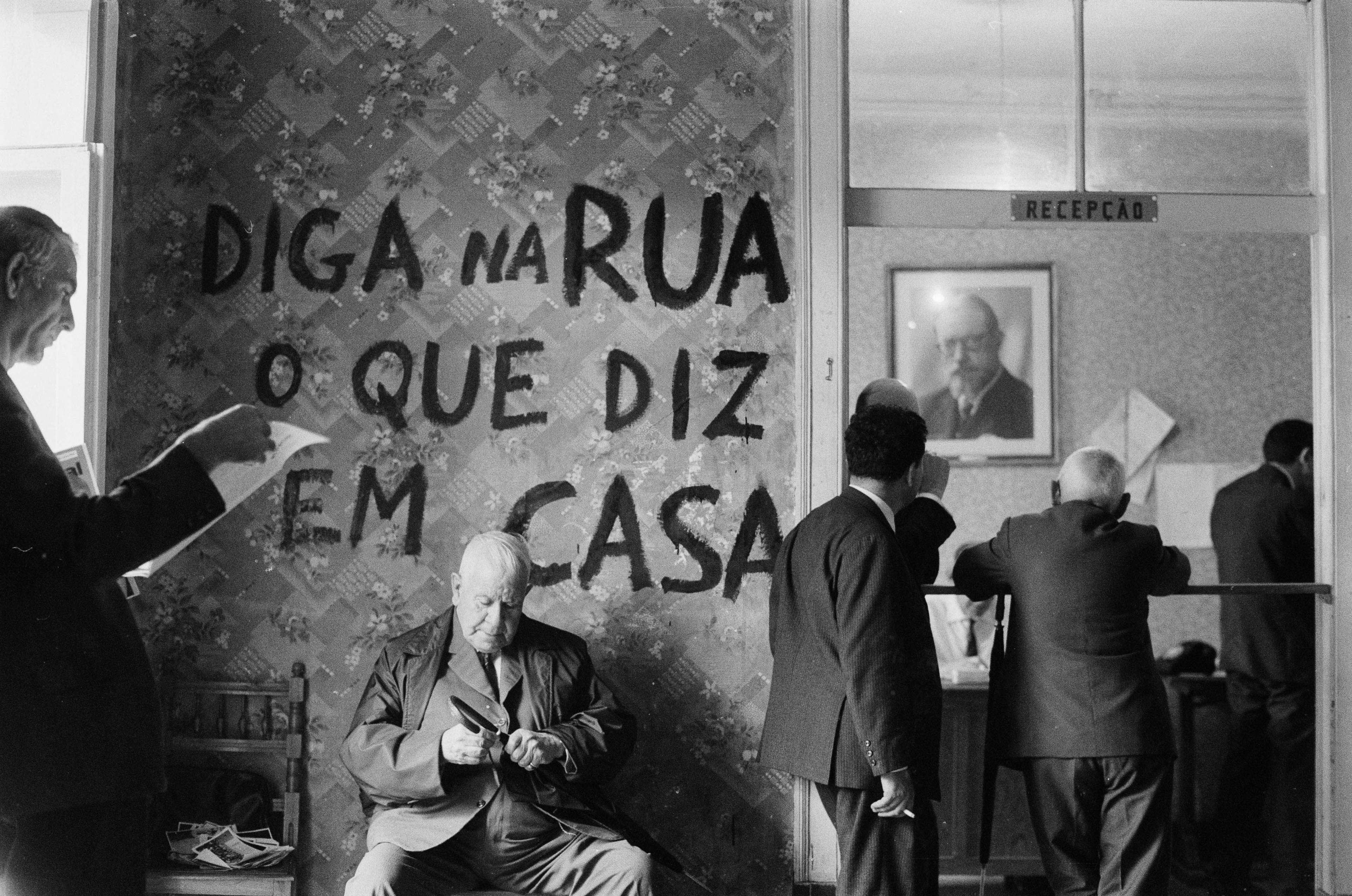
was a slogan painted on the walls of the United Democratic Electoral Commission, a coalition of non-communist movements led by Mário Soares that stood for the 1969 elections under the dictatorship.
This phrase captures a central feature of life under the Estado Novo: a regime in which fear was institutionalised and shaped everyday behaviour.
At that time,
one could not say in the street what was said at home.
one could not do in the street what was done at home.
one could not even think in the street what was thought at home.
1. The Portuguese dictatorship
The Portuguese dictatorship
Section 1 examines the Portuguese dictatorship (1926-1974), highlighting its key features: political repression, censorship, colonialism and social inequality. It shows how the regime controlled public life through fear, surveillance and propaganda, while denying fundamental freedoms. It also presents the diversity of resistance movements, both in Portugal and in the colonies, which contributed to weakening the regime and paving the way for democracy.
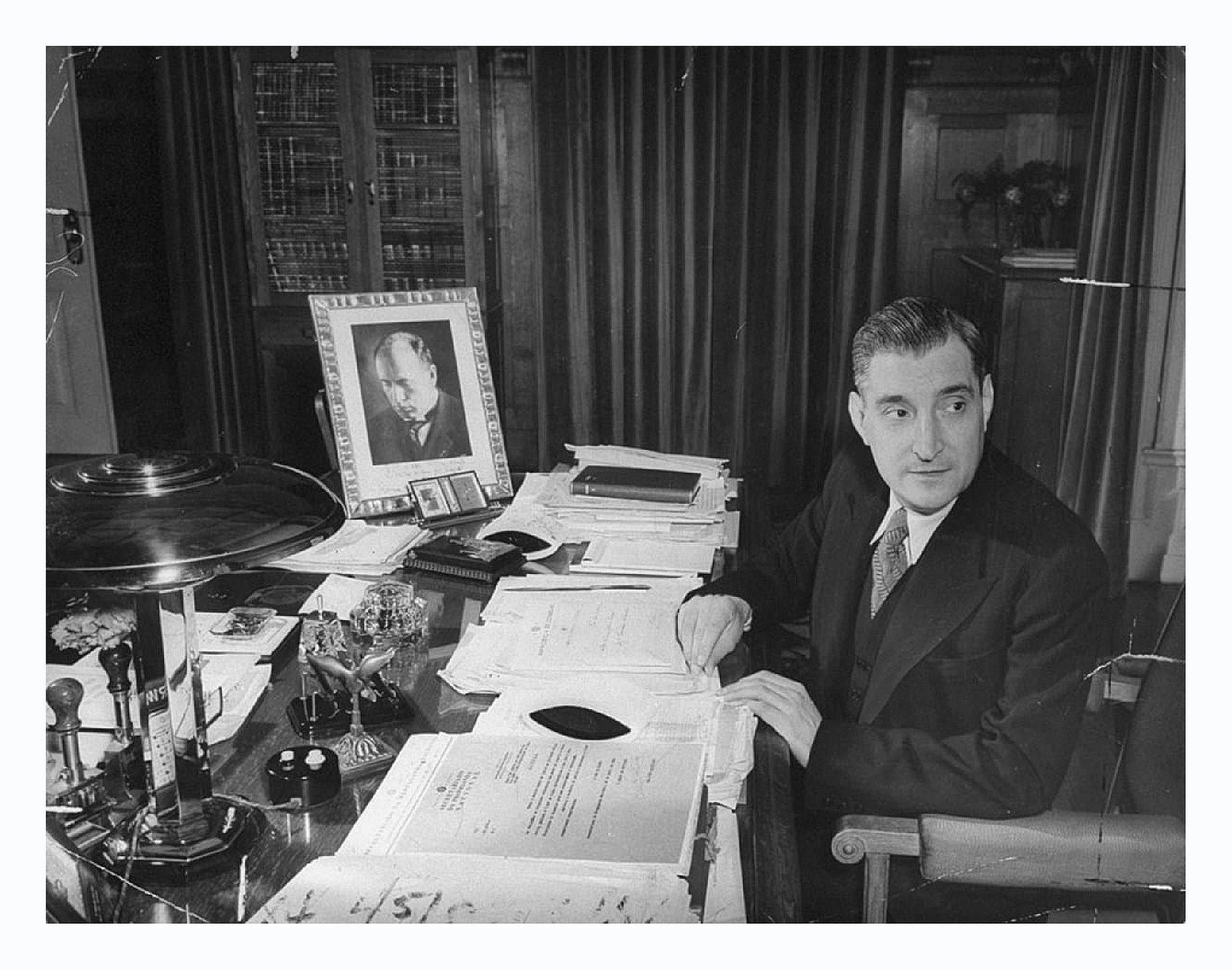
Portugal was ruled by an authoritarian regime for 48 years (1926-1974).
This period began with a military coup in 1926 and led to the establishment of the Estado Novo (“New State”) in 1933 under António de Oliveira Salazar
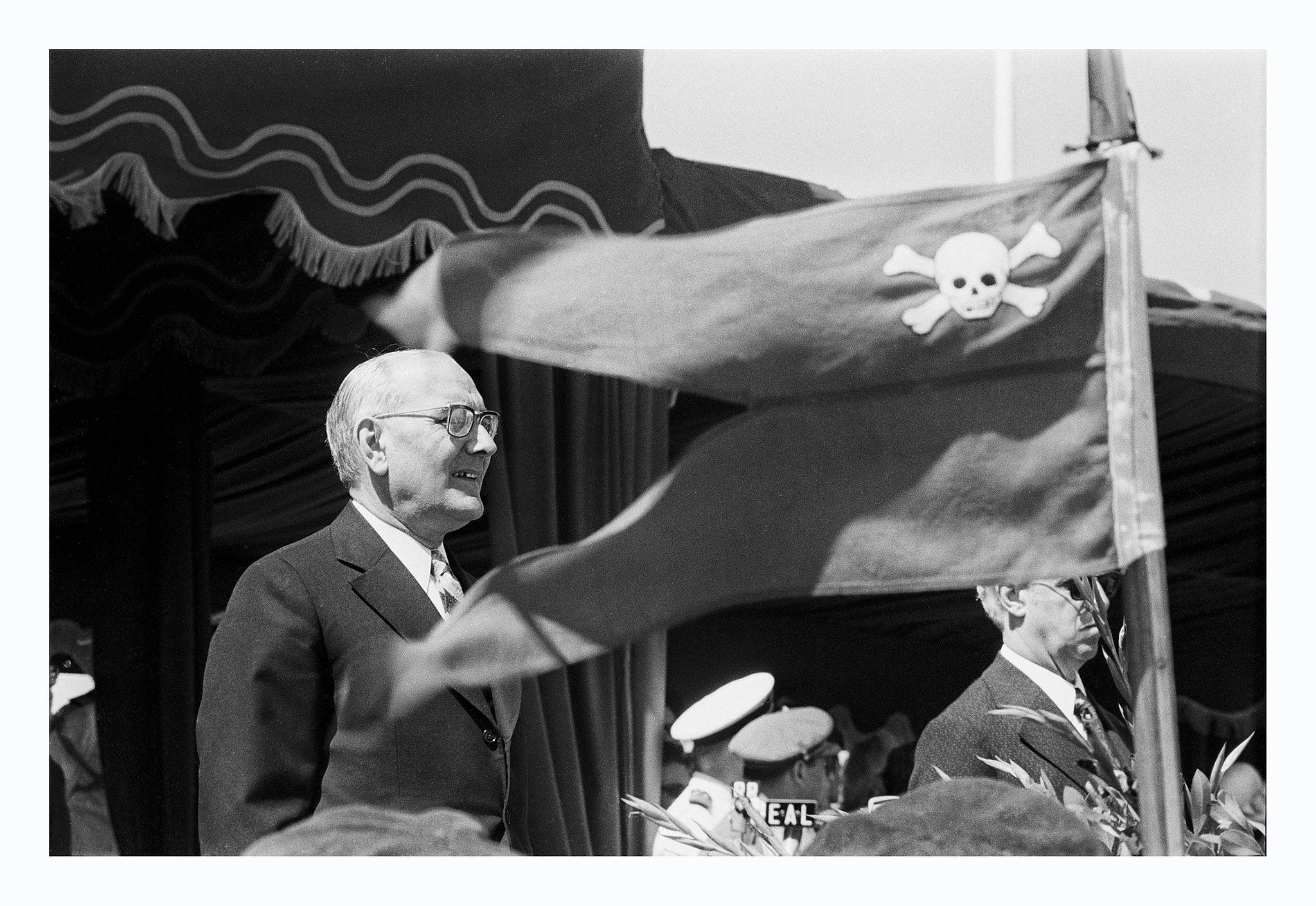
In 1969, after Salazar became incapacitated, Marcelo Caetano succeeded him as head of government. Caetano introduced limited reforms in a period known as the “Marcelist Spring” (“Primavera Marcelista”).
However, these changes did not alter the core features of the regime:
- Political prisoners remained in jail;
- Colonial wars continued;
- The political police stayed active;
- And fundamental freedoms were still denied.
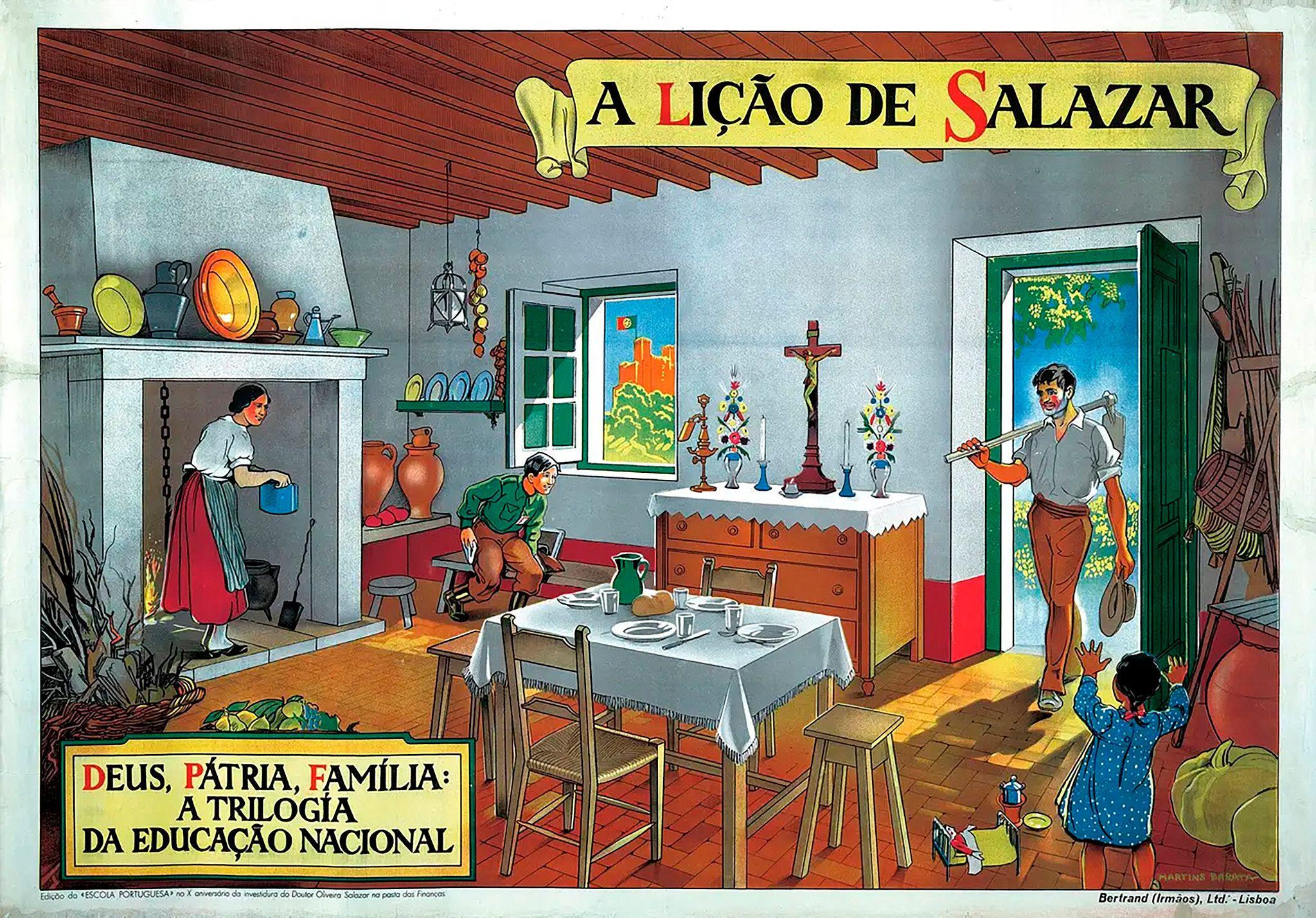
The regime relied heavily on ideological narratives.
“God, Nation and Family”
the regime’s central motto embodied the ideal of a disciplined, obedient and patriarchal society, reflected in the notion of the idealised Portuguese home. Salazar himself described Portugal as “a country of gentle manners.”
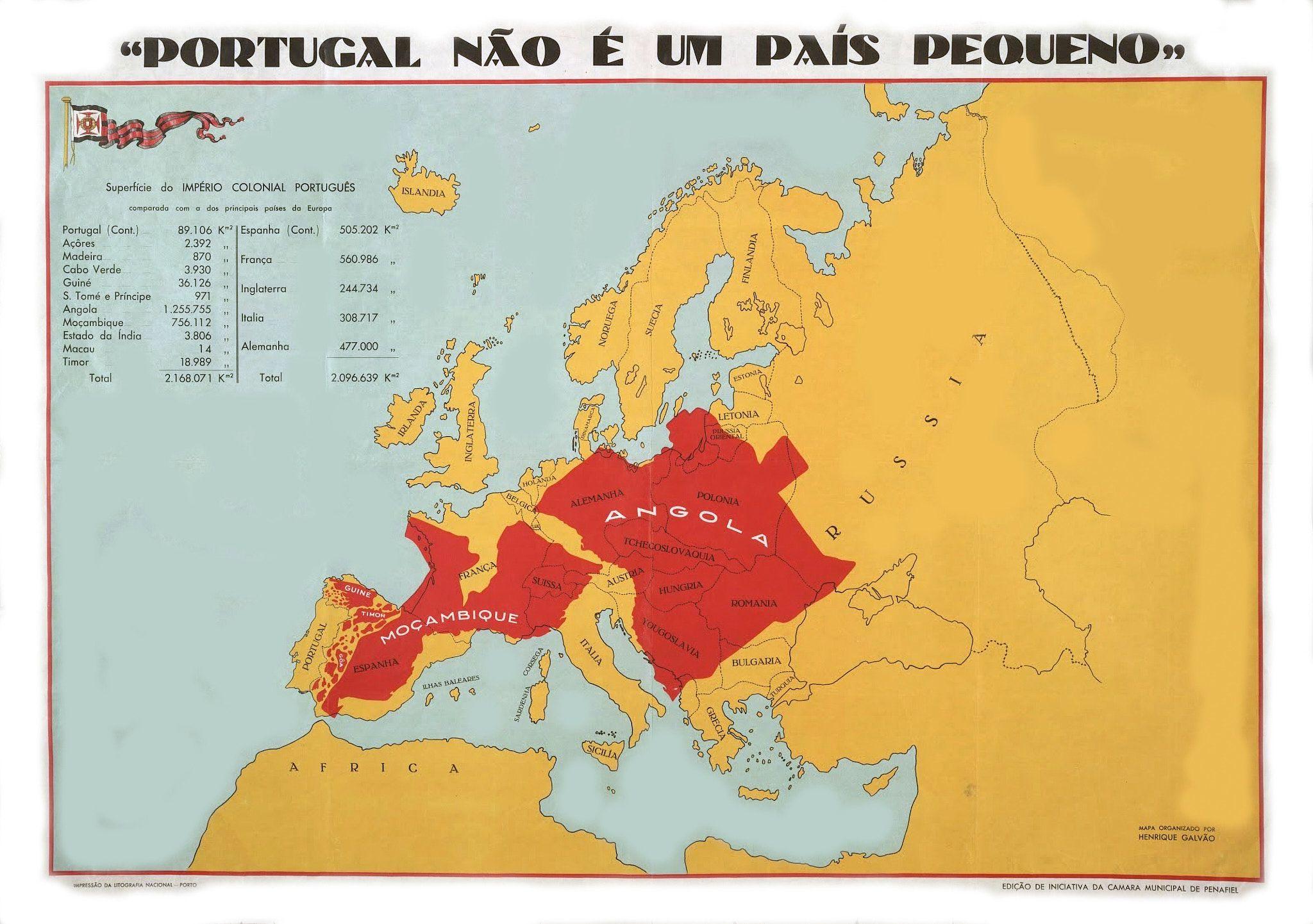
“Portugal is not a small country”
this doctrine promoted the myth of a pluricontinental and indivisible empire, stretching “from Minho to Timor.”
Traces of a dictatorship
The Estado Novo was marked by censorship, political repression, colonial war, and the systematic exclusion of large sectors of the population from political, social and cultural life. Its long duration left lasting marks on Portuguese society.
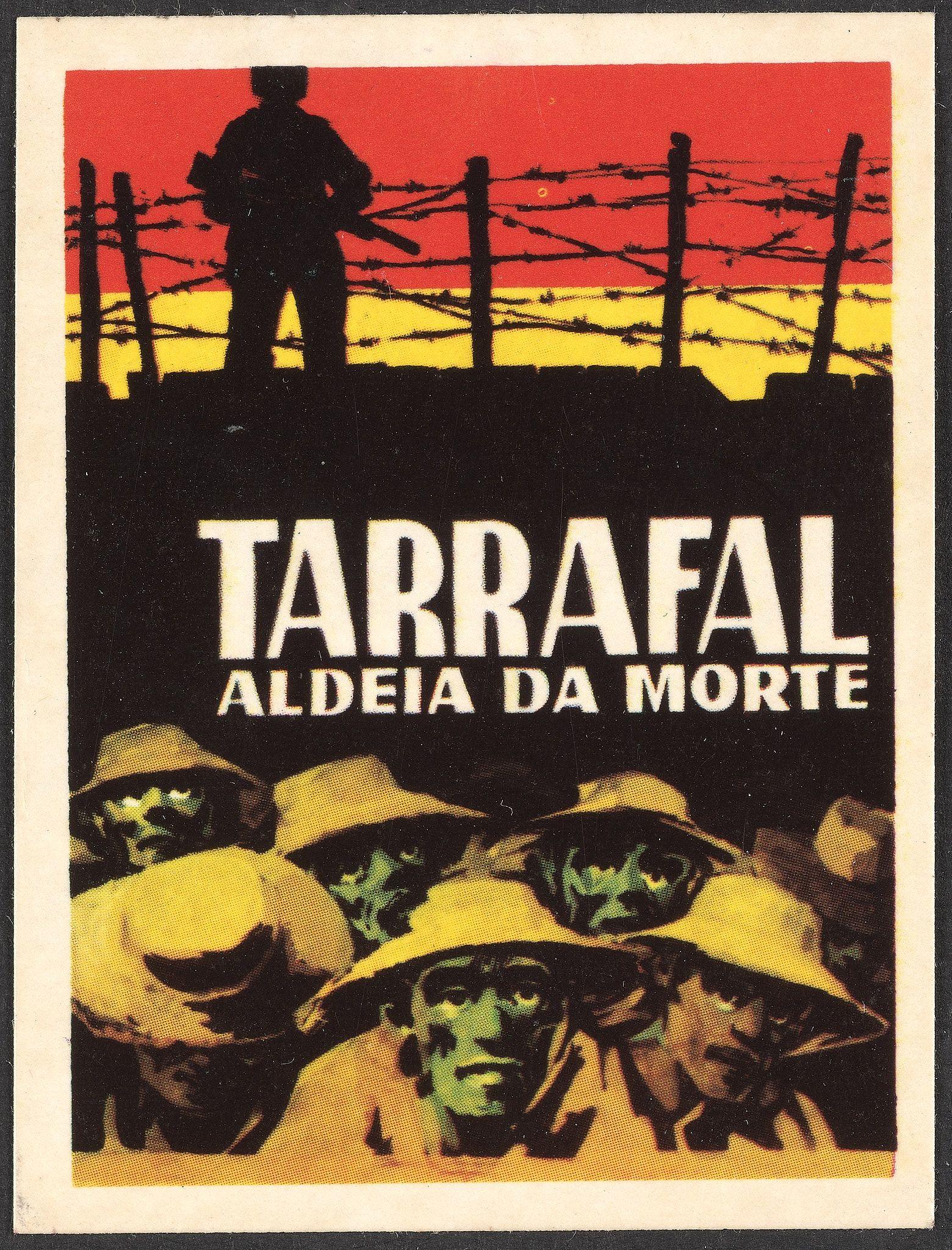
Political police, torture and repression
The Estado Novo combined repression with control over everyday life. As stated in regime propaganda, “the State must be so strong that it need not be violent.”
In practice, the regime sought to shape behaviour and discourage dissent before it emerged. Fear and surveillance created a form of “invisible and preventive violence”, leading many people to self-censor and avoid political expression.
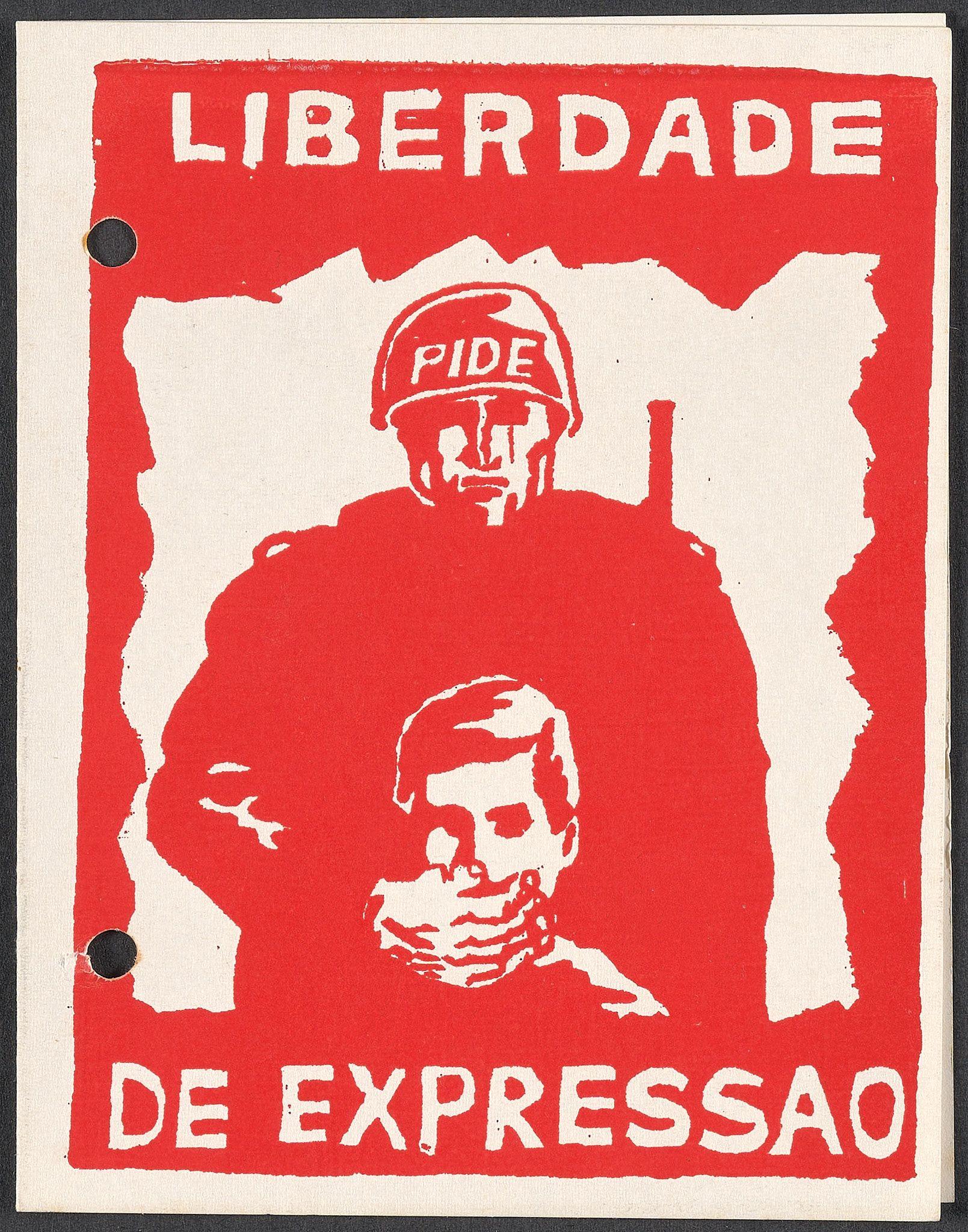
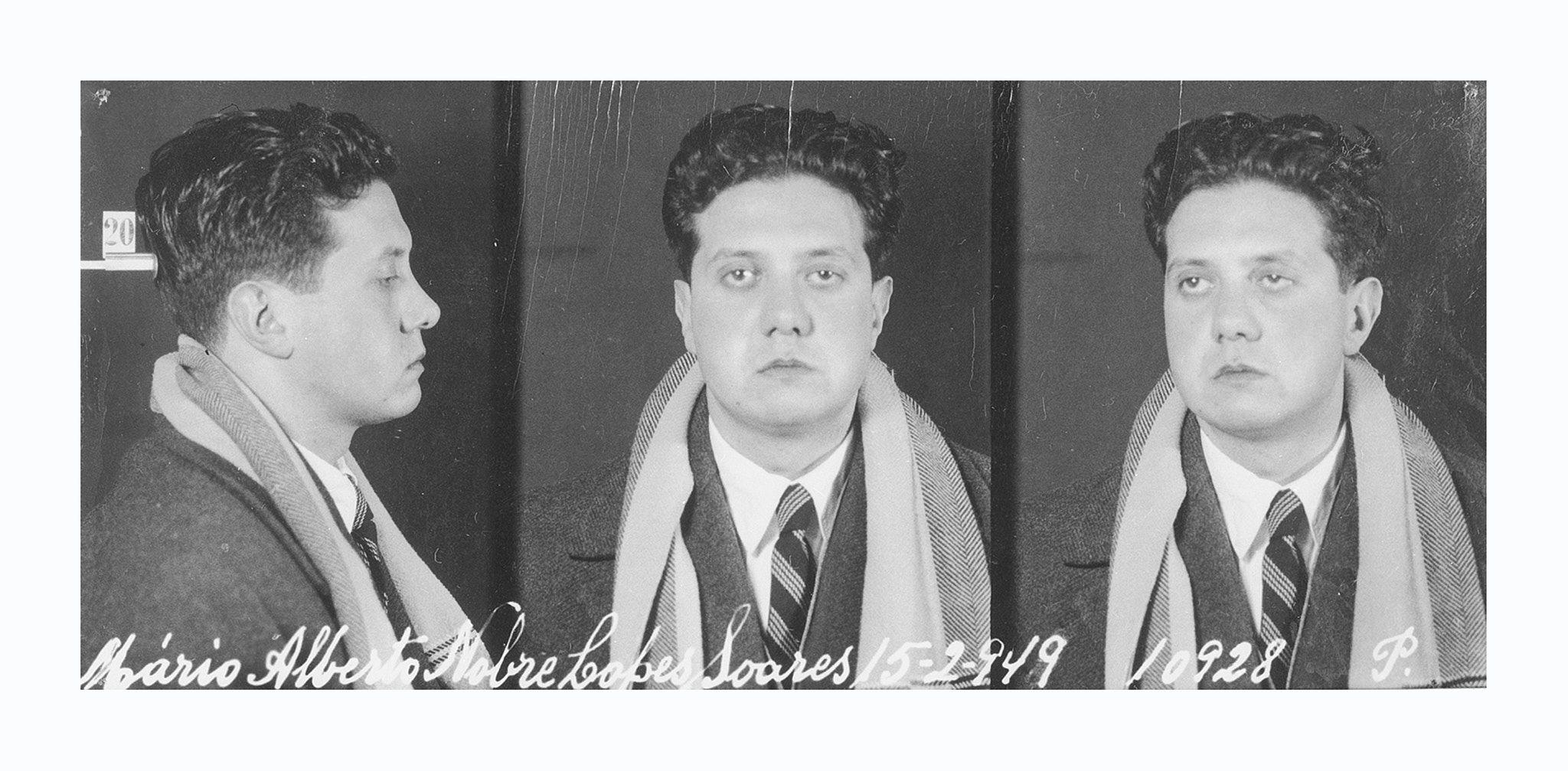
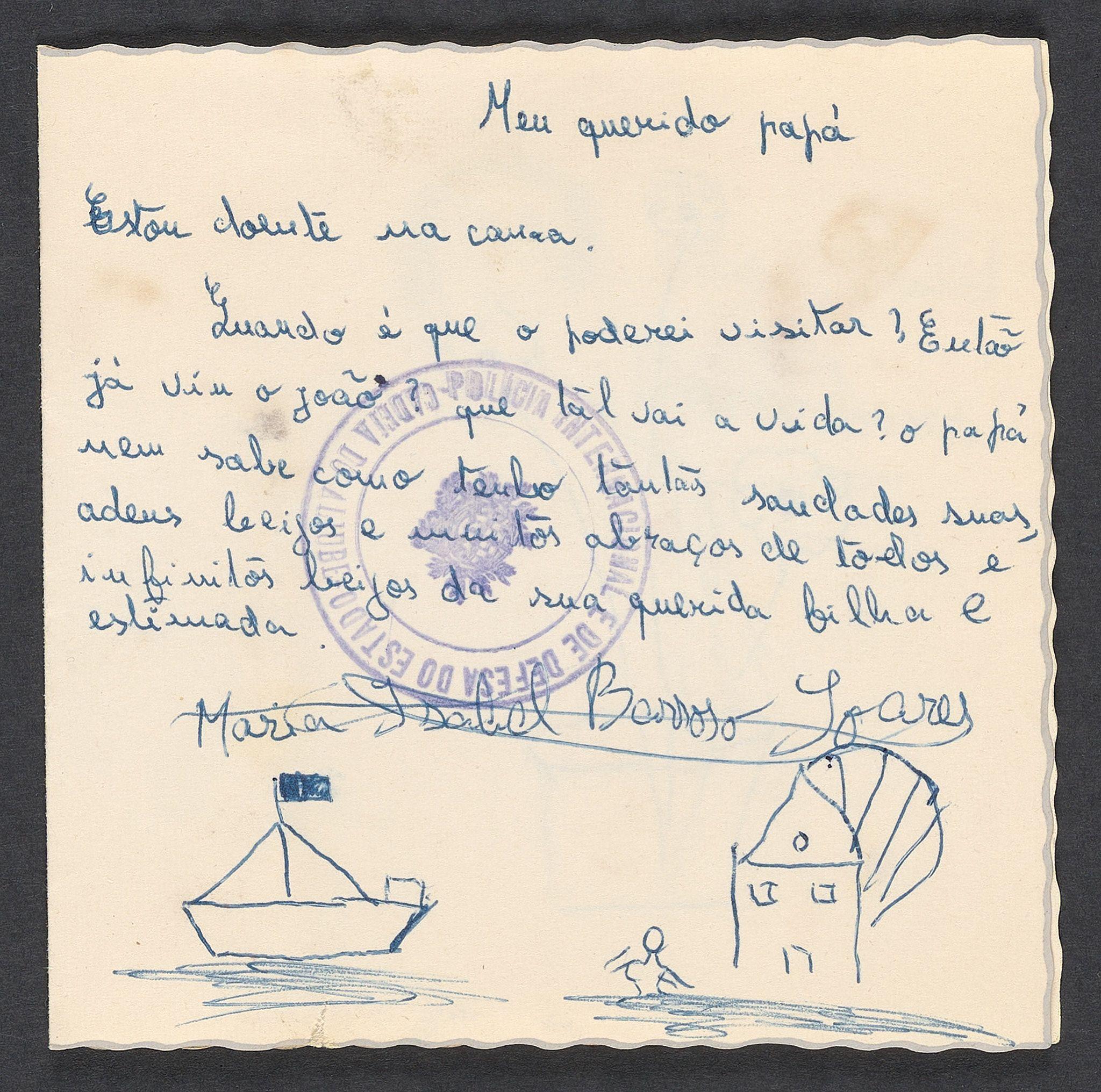
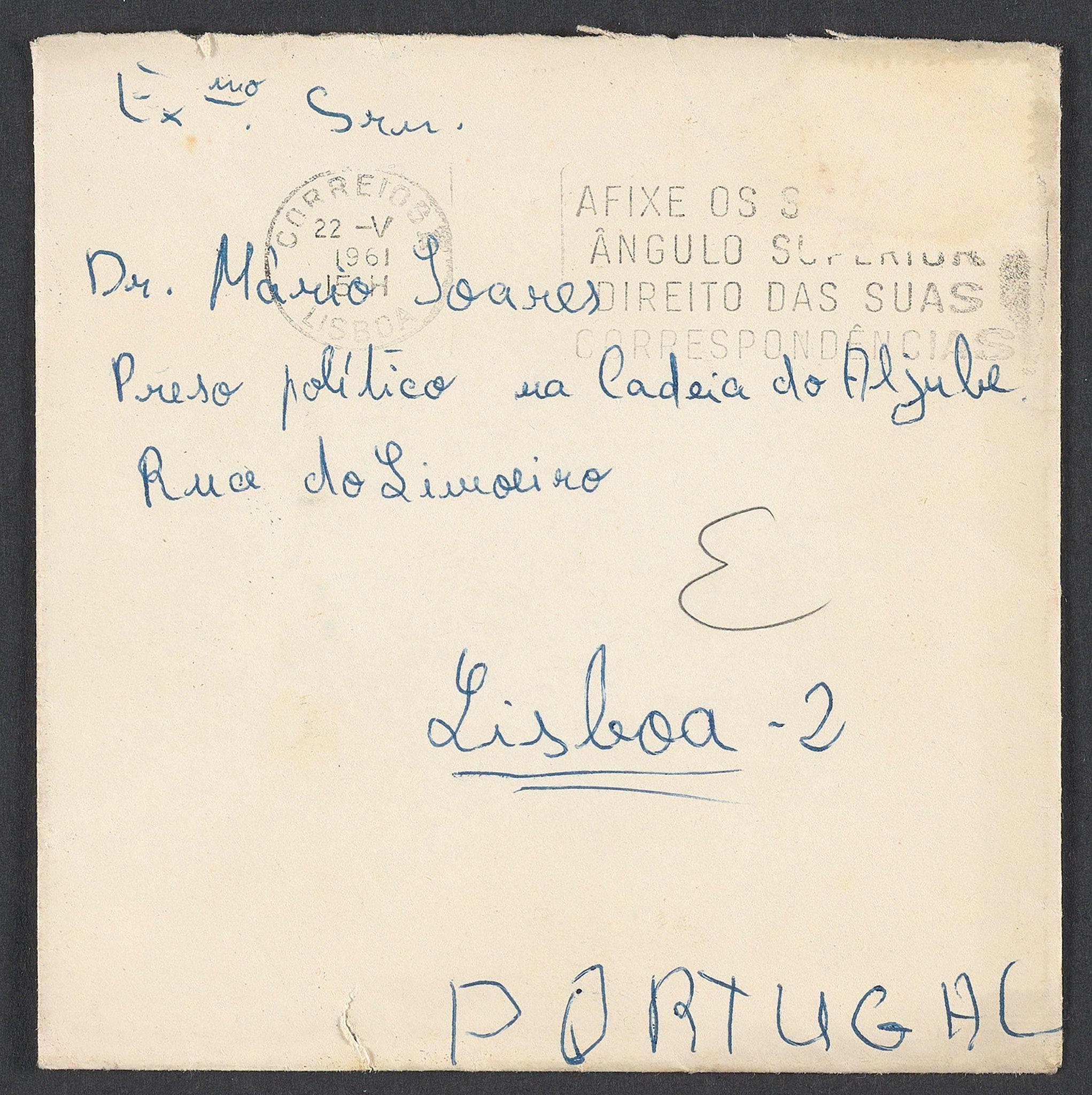
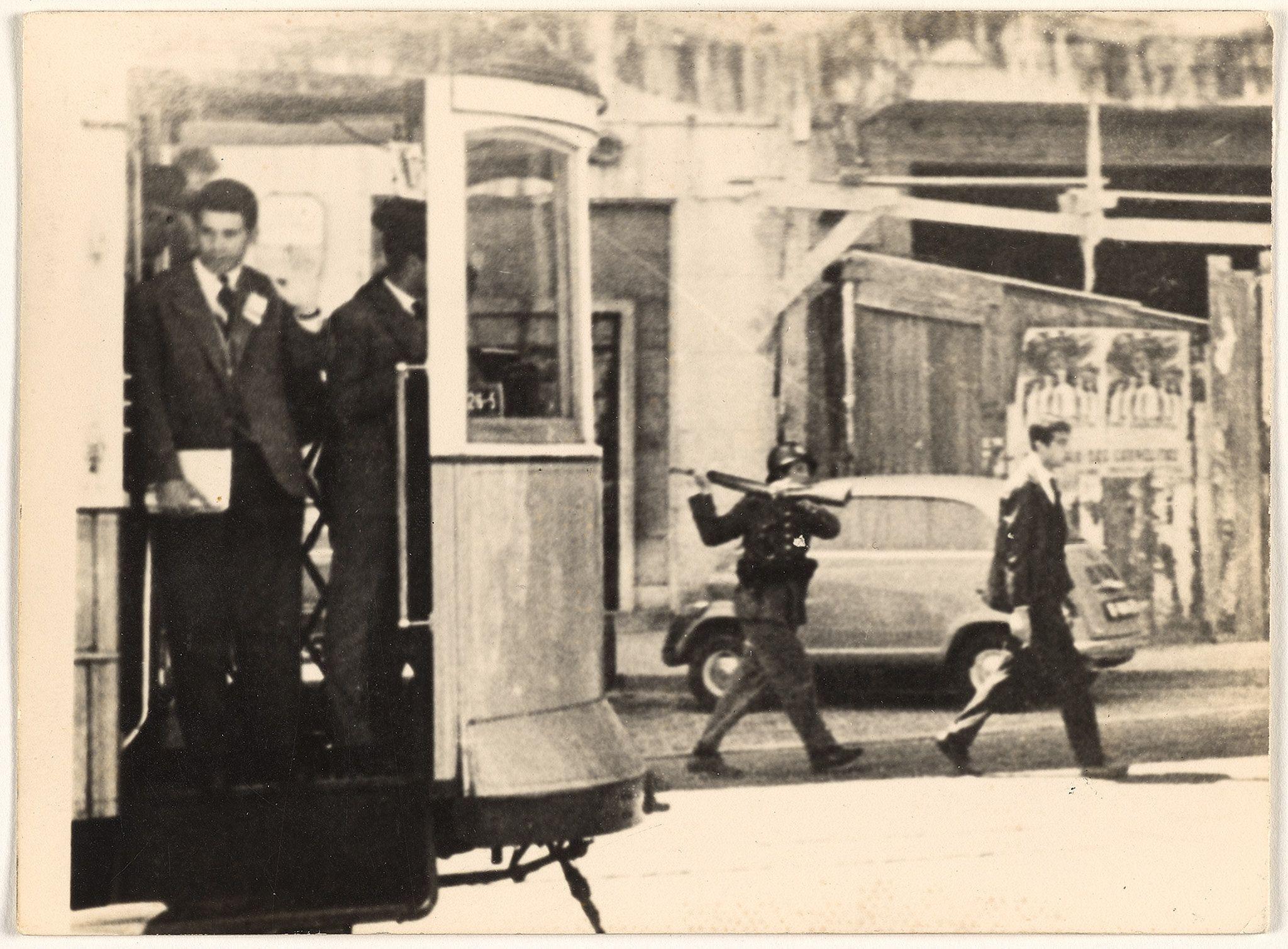
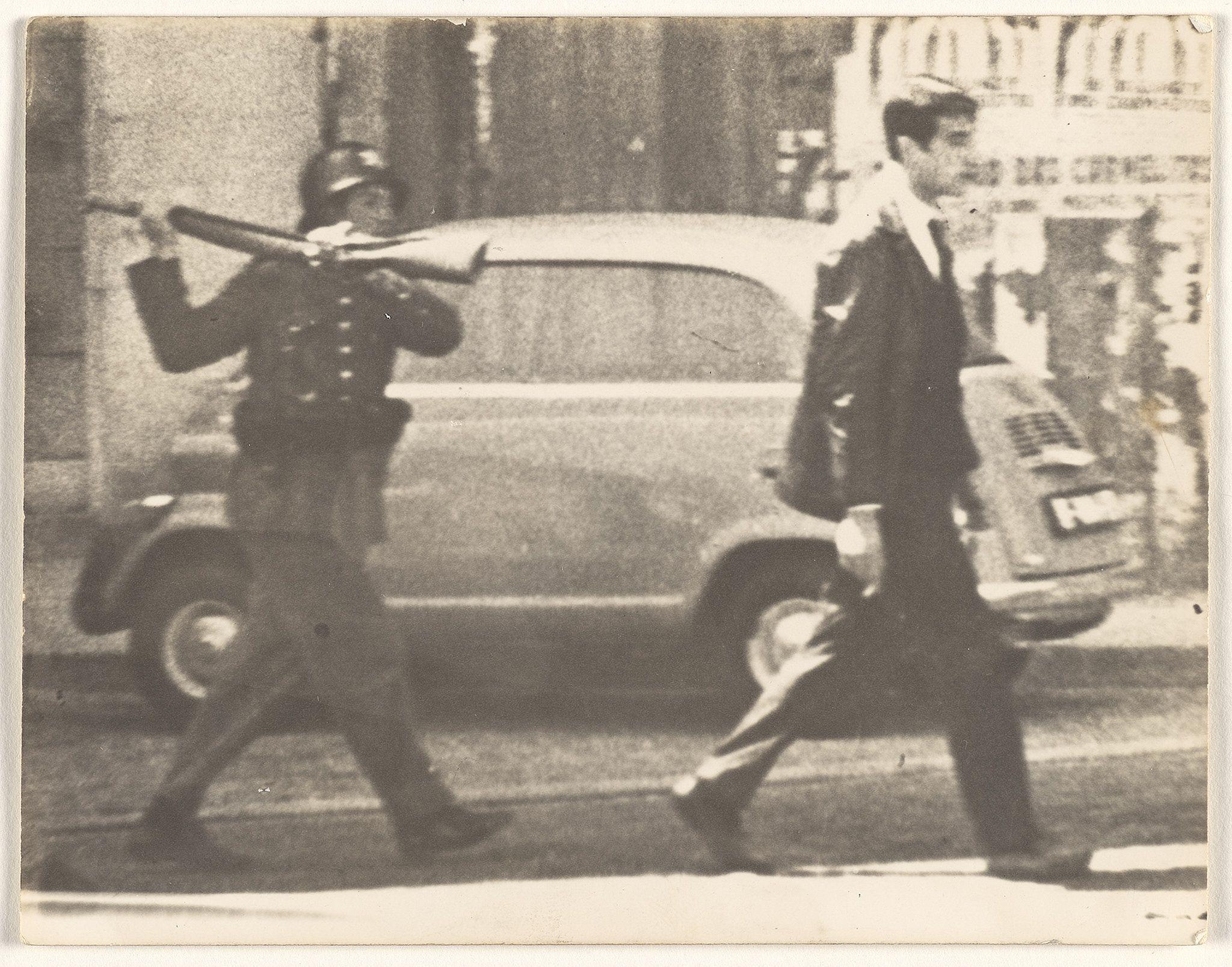
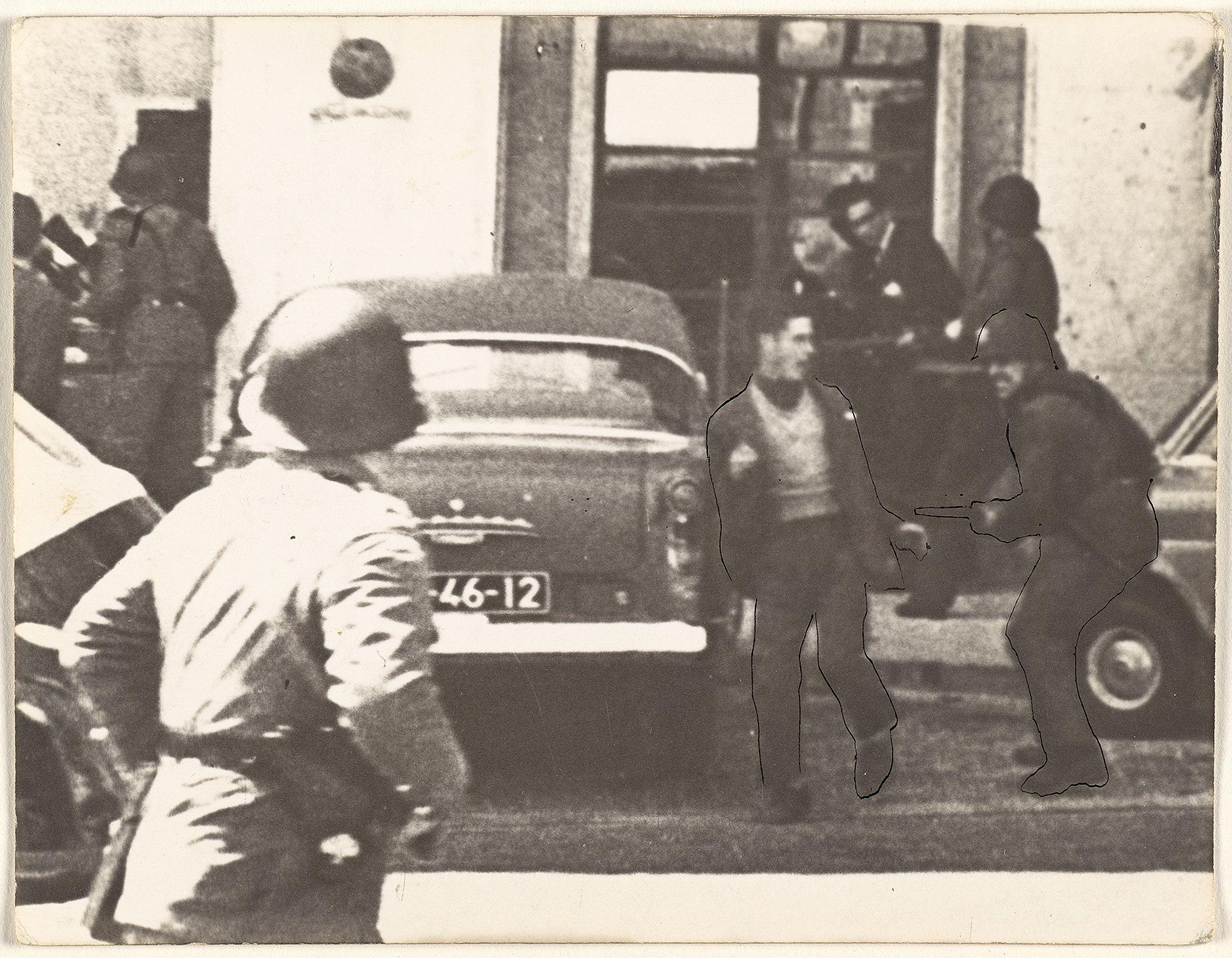
The political police (PIDE), was responsible for monitoring the population and repressing opposition. It carried out surveillance, arrests, interrogations, torture, and the imprisonment of political opponents
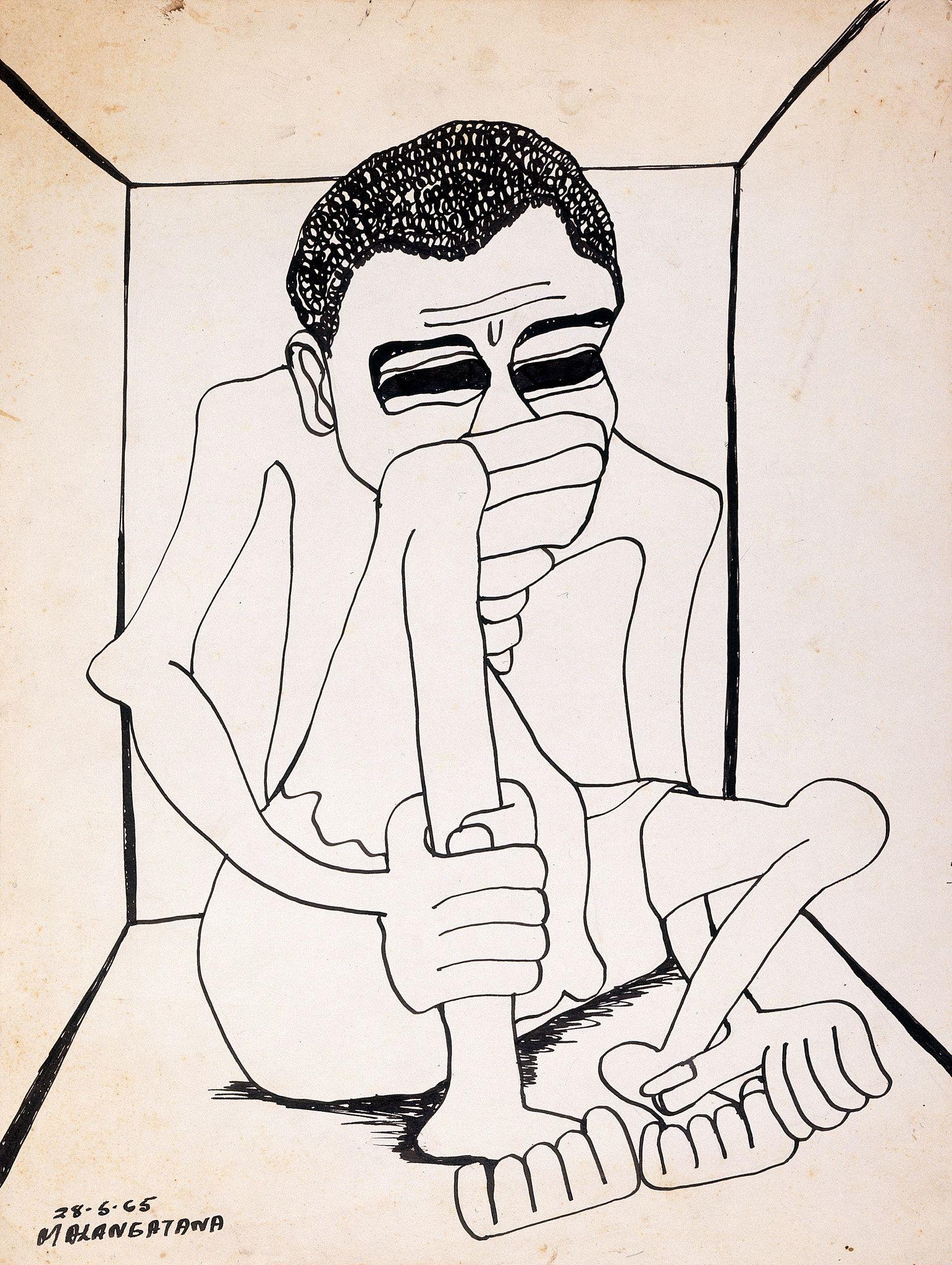
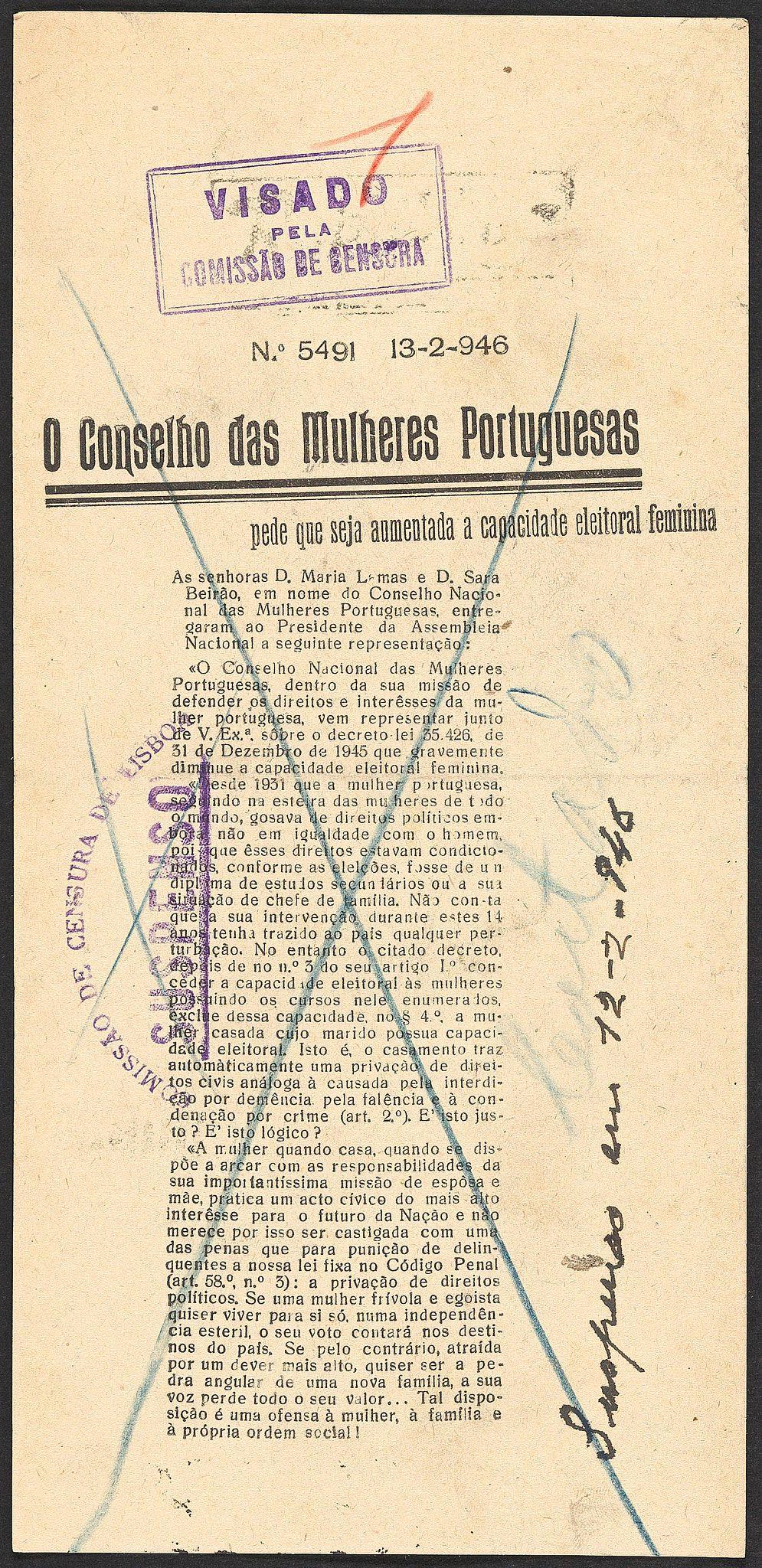
Censorship
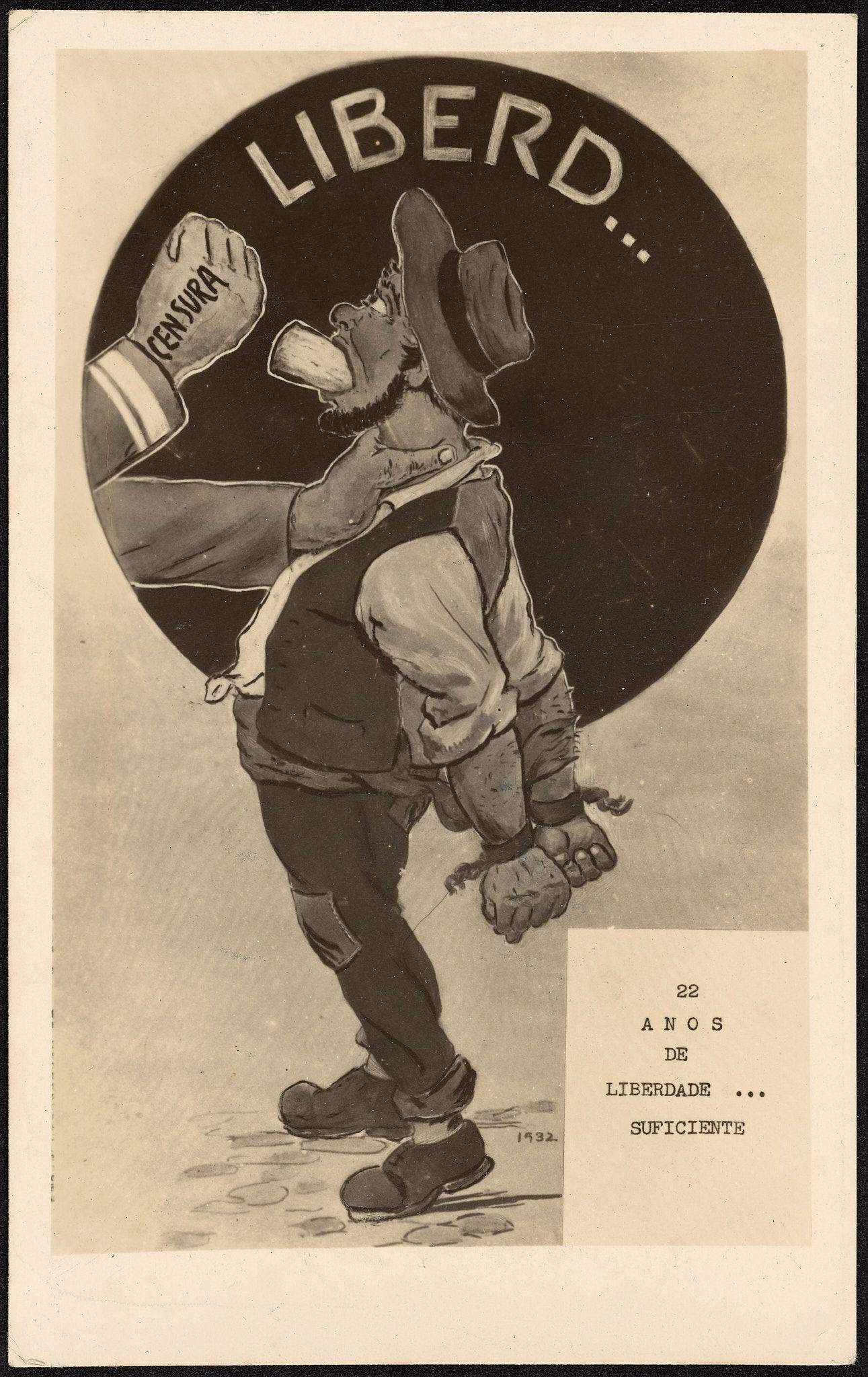
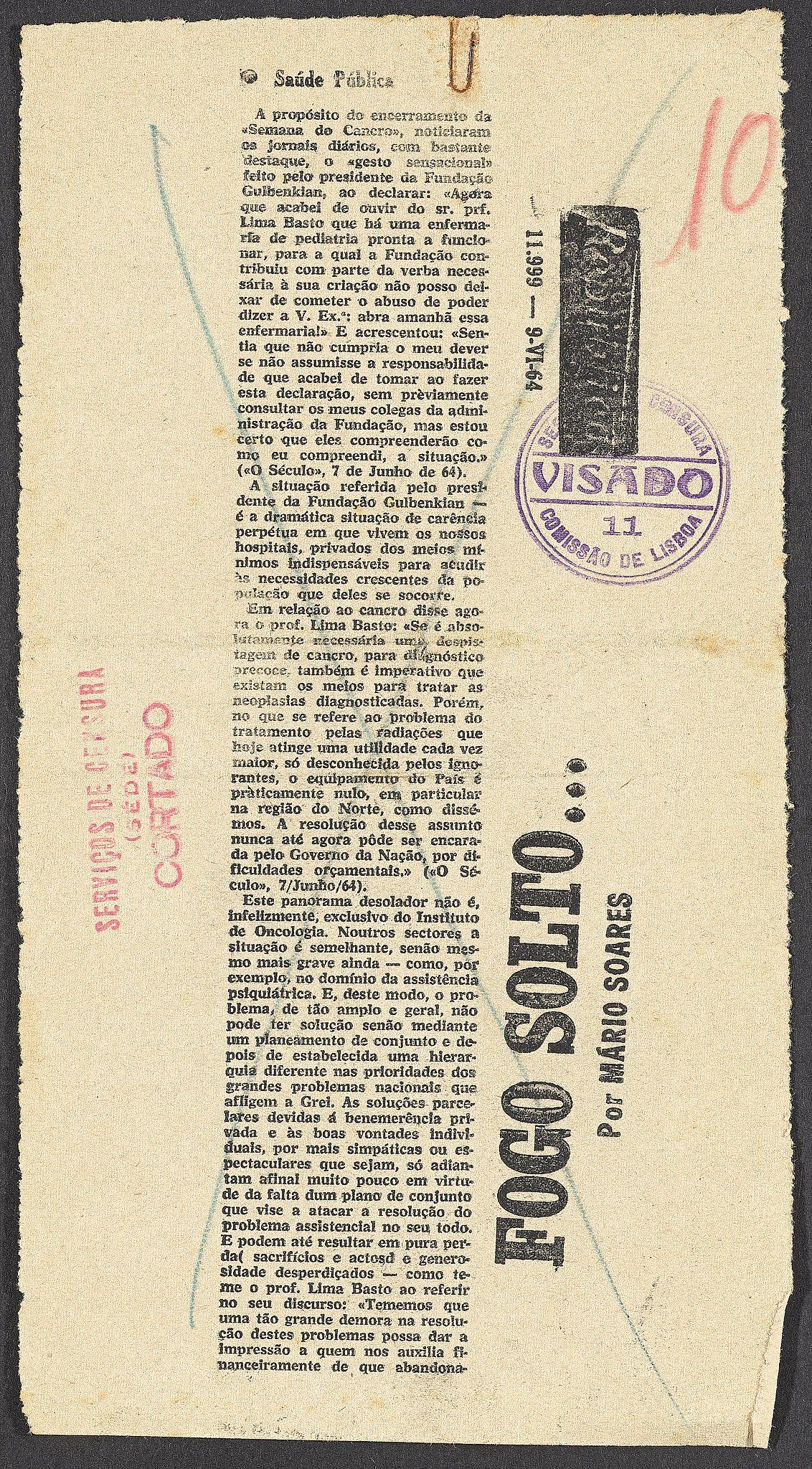
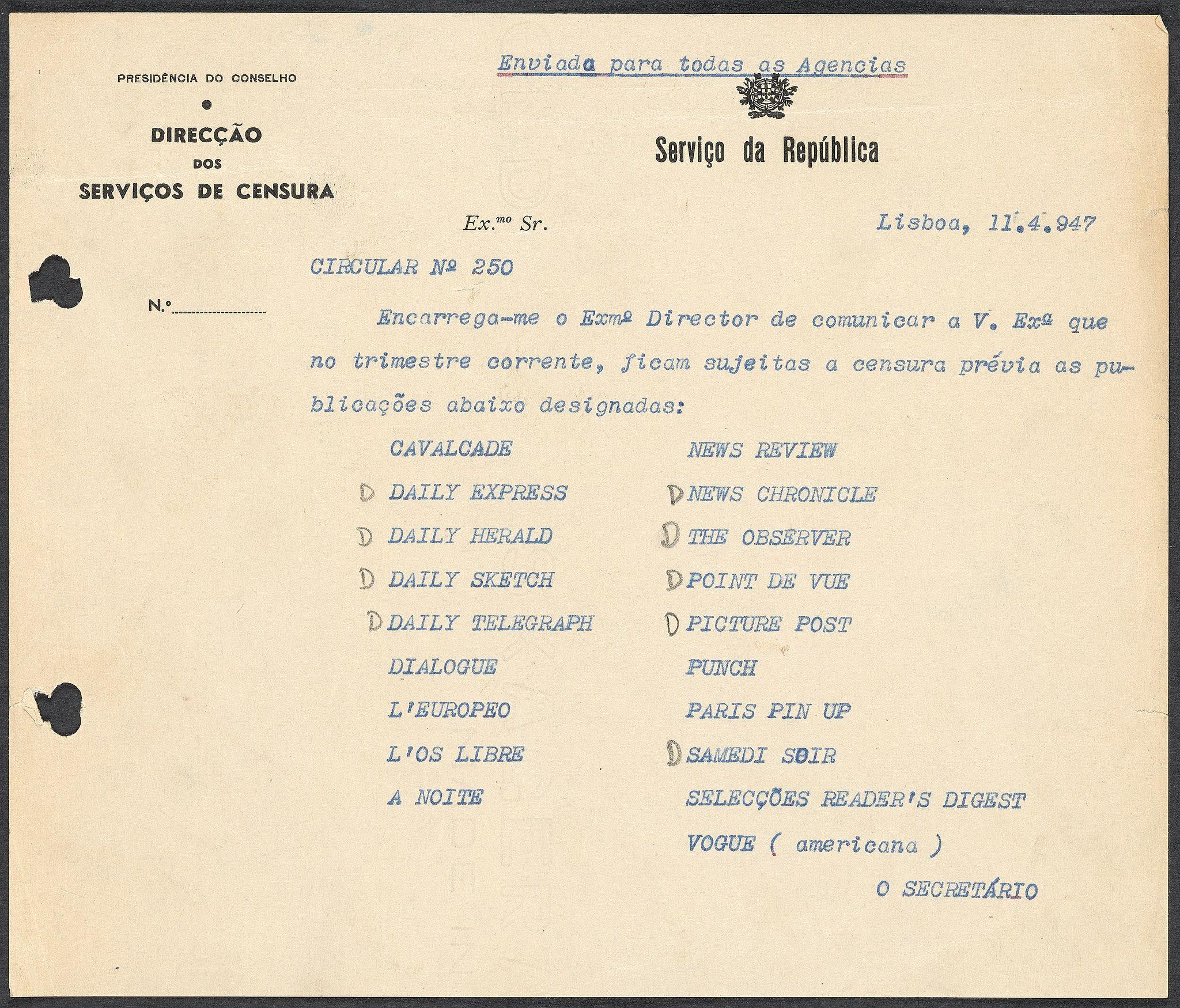
Censorship was a central tool of the regime. A state office reviewed newspapers, books, theatre, cinema, and, in different ways, music, controlling their content before and after publication or performance.
Any content considered politically critical or morally inappropriate could be cut or banned. Topics such as corruption, social conflict, colonial war, or challenges to traditional values were often suppressed.
As a result, public information was tightly controlled, and freedom of expression was severely limited.
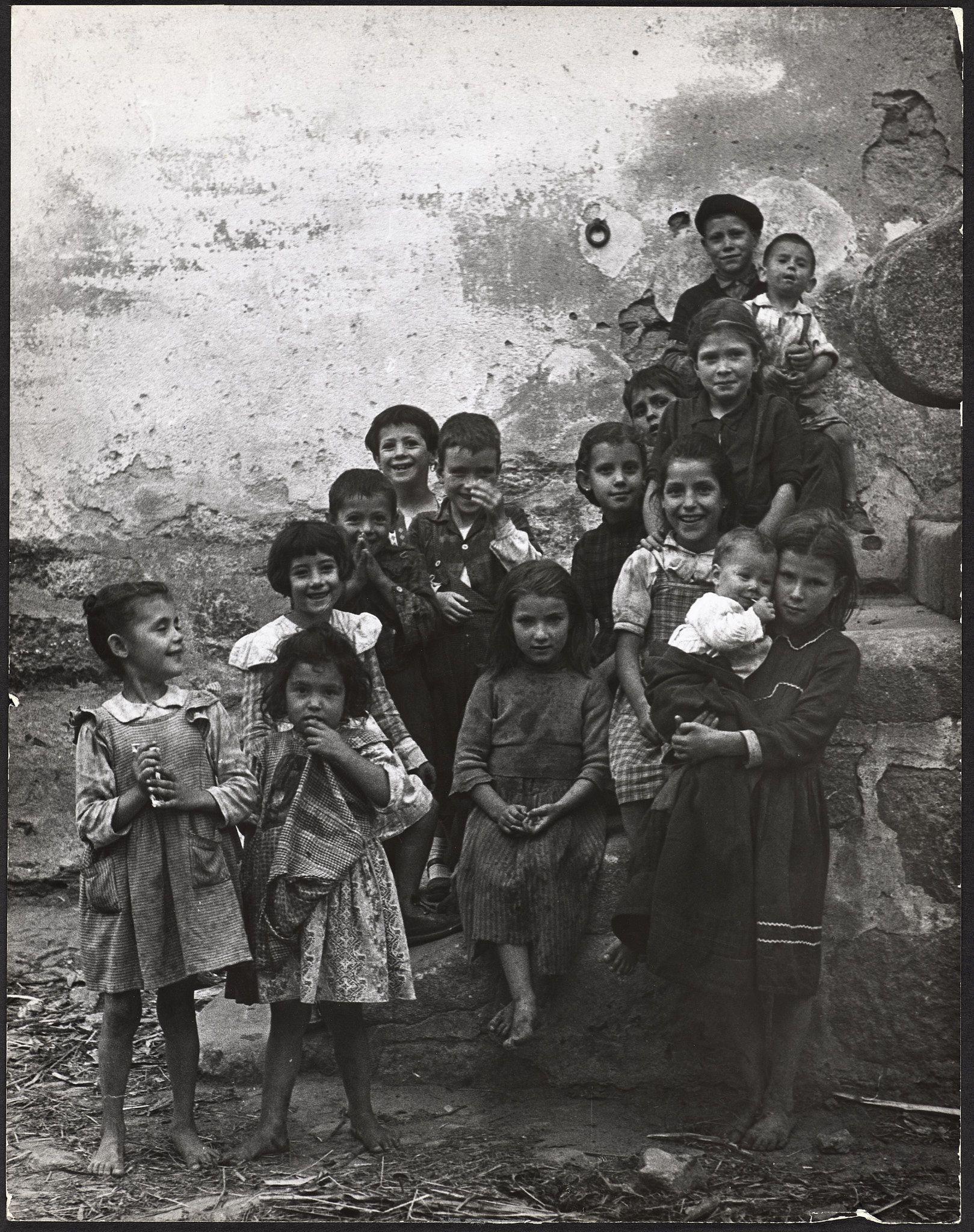
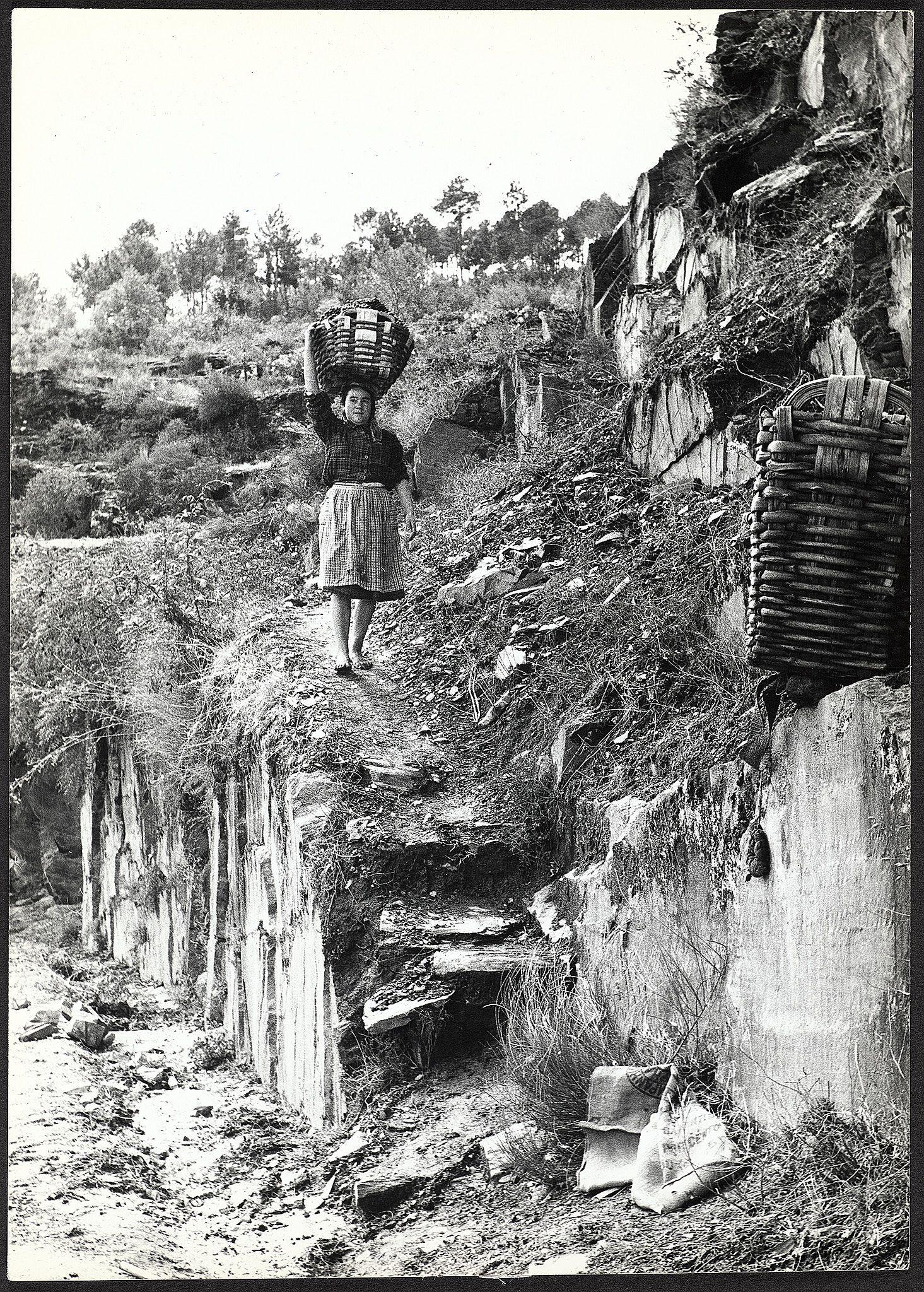
Everyday Life: Poverty and Inequality
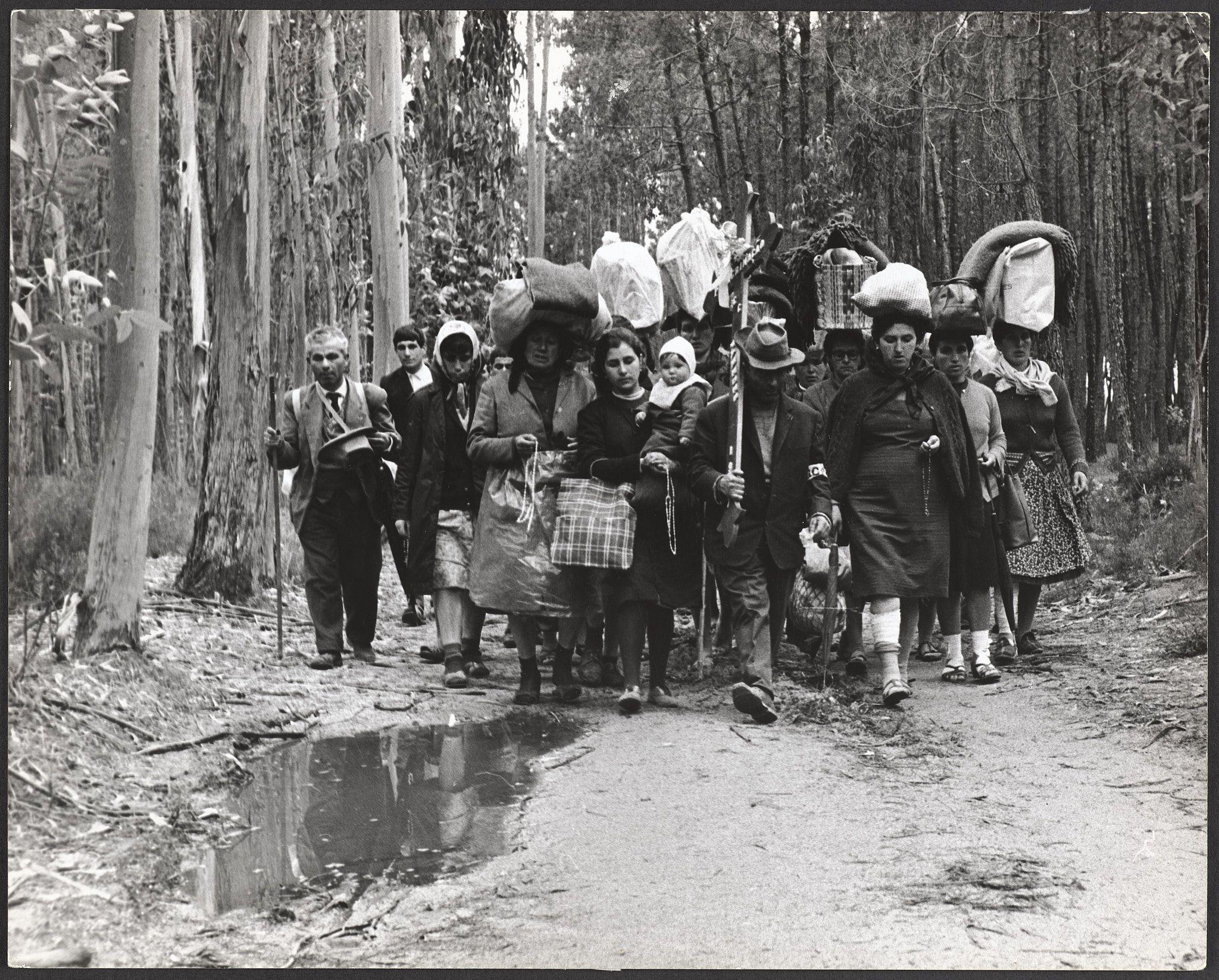
Despite the image of order and stability promoted by the regime, much of the Portuguese population lived in poverty, particularly in rural areas.
Access to education was limited, and illiteracy rates remained high. Schooling was often restricted, especially for girls, and shaped by the regime’s conservative and moral values.
Economic opportunities were scarce, and many people depended on agriculture or low-paid labour. Poor living conditions, combined with a lack of social mobility, led to significant emigration, especially from the 1950s onwards, as hundreds of thousands of Portuguese sought better lives abroad.
These social inequalities reveal a gap between the regime’s official image and the everyday reality experienced by much of the population.
Colonialism and racism
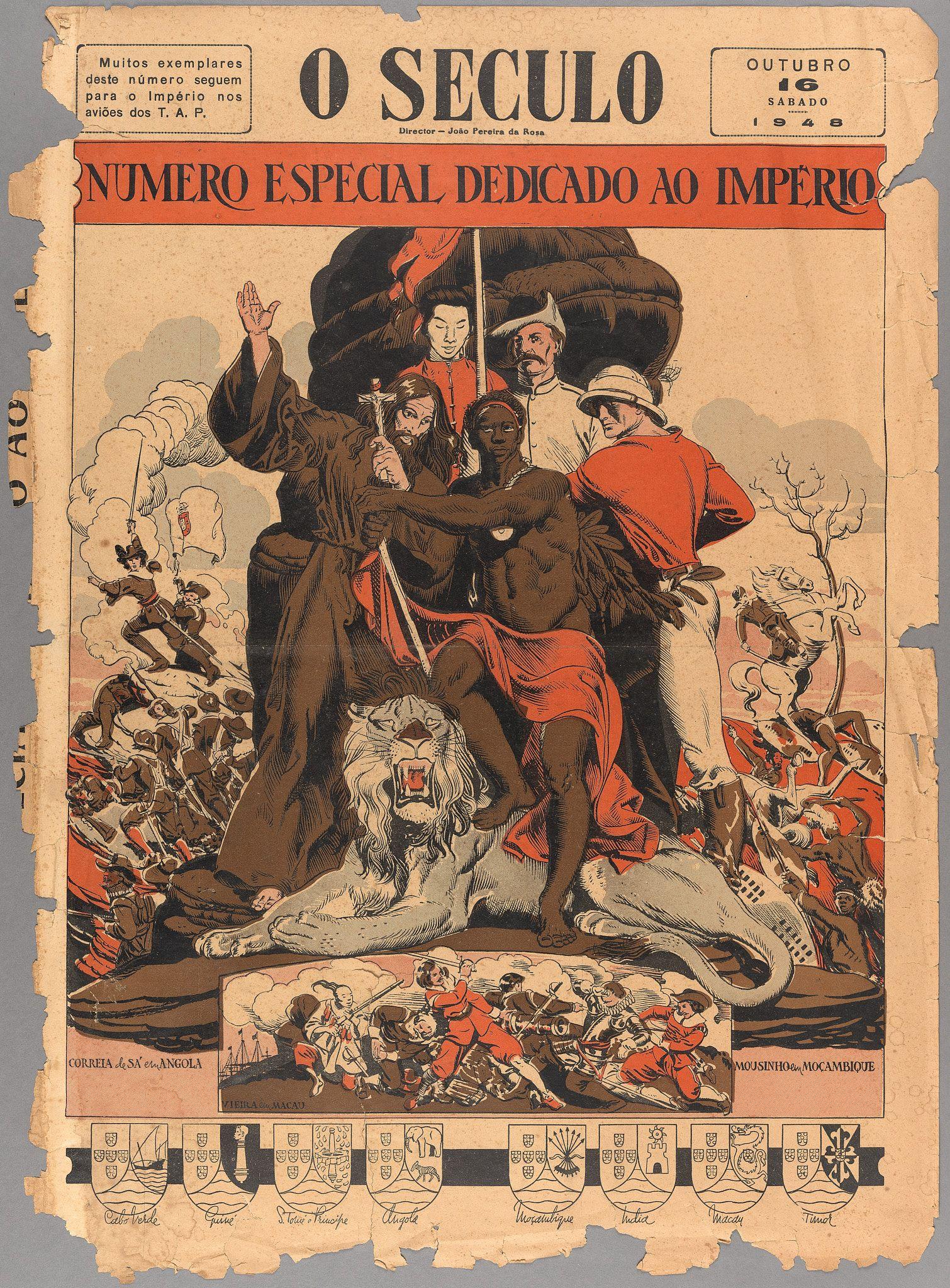
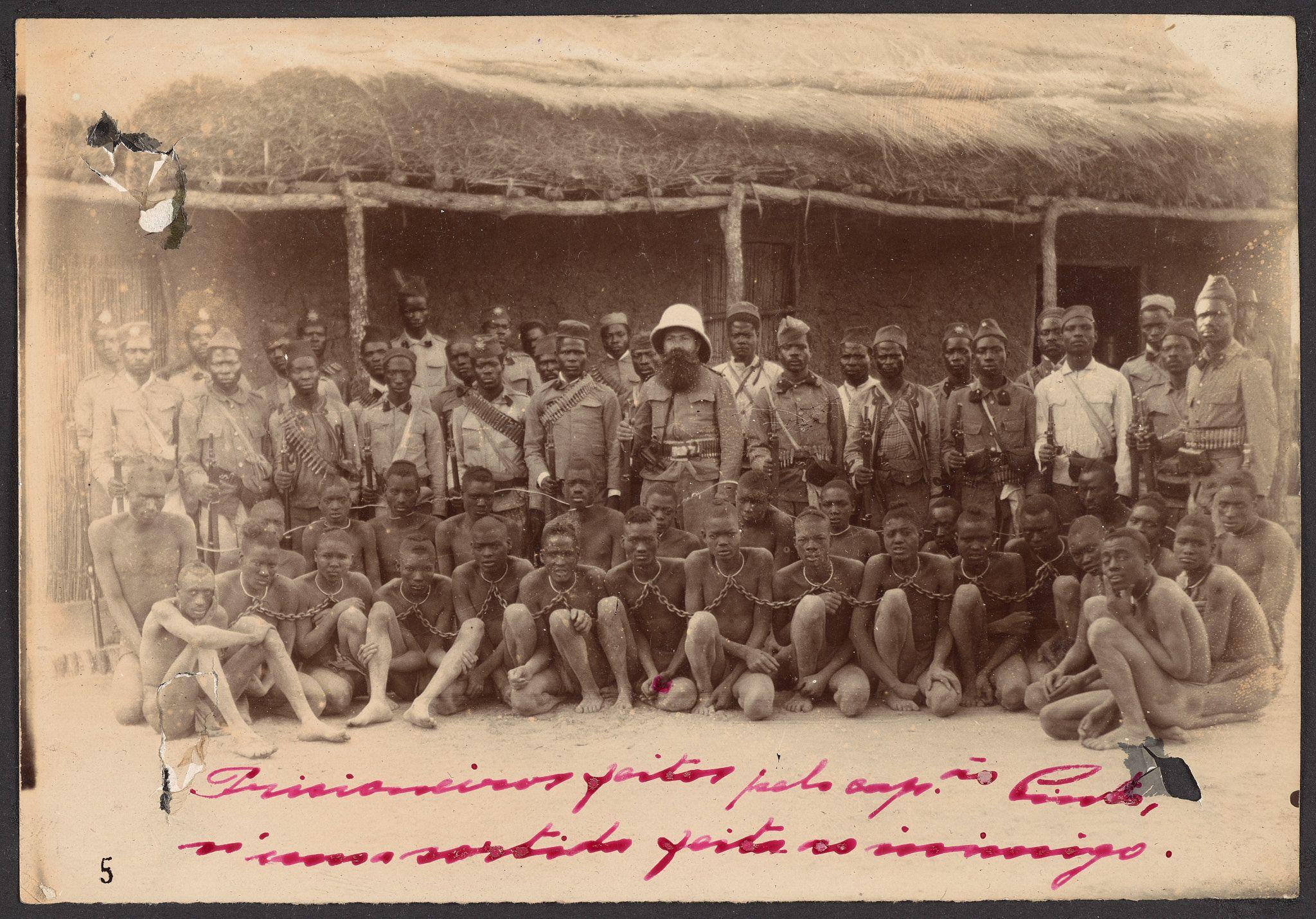
Until the early 1950s, the Estado Novo promoted an openly racist colonial policy rooted in:
- The myth of the “Age of Discoveries” as a heroic national epic
- Ideas of white superiority and social Darwinism
- The belief in a “civilising mission”
- The legitimisation of forced labour and the indigenato system, which denied African populations full citizenship rights
Slogans such as “Portugal is not a small country” and “Portugal from Minho to Timor” reinforced this narrative, presenting the empire as vast, unified, and indivisible.
From the 1950s onwards, the regime adopted the concept of Lusotropicalism, developed by Gilberto Freyre. This theory claimed that the Portuguese were more tolerant and better suited to coexist with other cultures.
Official discourse presented Portugal as a “multiracial” nation and denied the existence of colonialism and racism.
This myth of the benevolent coloniser remains present in Portuguese society today, still surfacing in various domains: from education to political discourse and public memory.
Resist
Opposition to the Estado Novo took many forms, including clandestine activity, public protest, cultural expression, and anti-colonial struggle. Internal resistance and colonial wars were closely connected, reinforcing opposition both in Portugal and in the colonies.
Opposition in Portugal
Opposition to the Estado Novo took multiple forms and involved a wide range of social groups, including political activists and organizations, students, intellectuals, cultural figures, members of the Catholic Church, and sectors of the military.
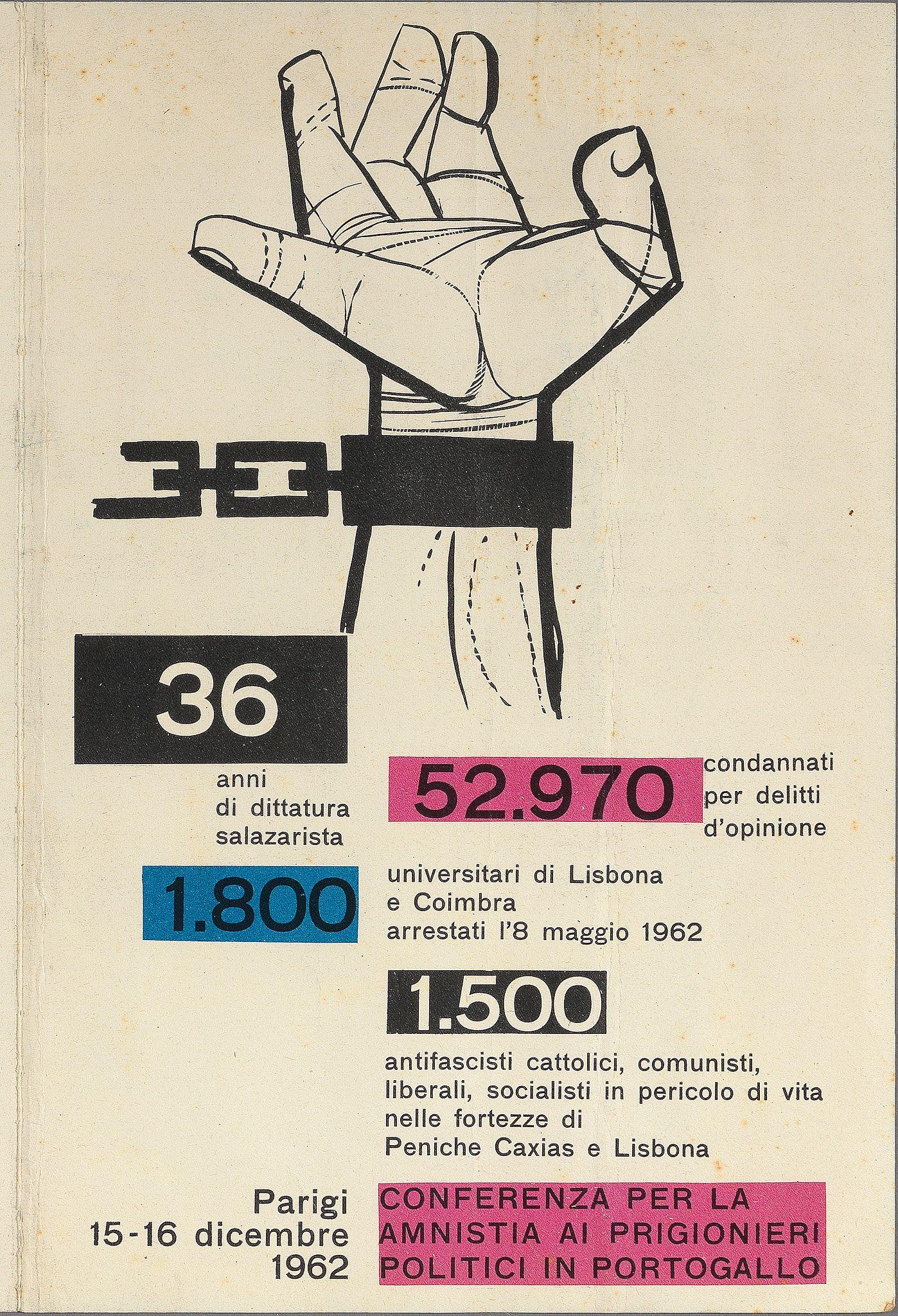
Clandestine opposition was led mainly by the Portuguese Communist Party, which operated illegally and became the most organized force against the regime. Its members faced severe repression from the PIDE, including imprisonment and torture.
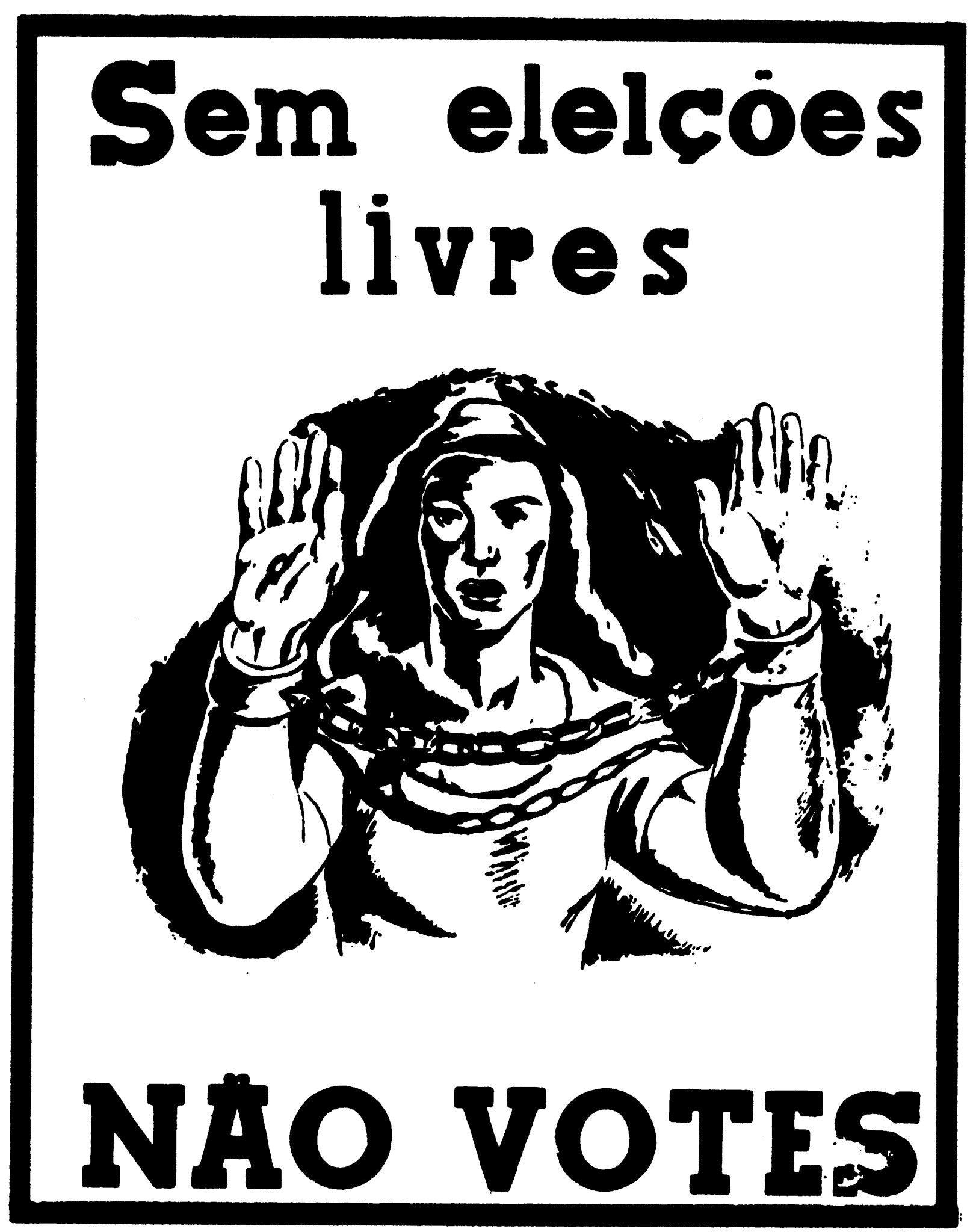
At the same time, a broader Democratic Opposition brought together republicans, socialists, liberals, and other groups. They attempted to challenge the regime through elections and public campaigns, despite the lack of real political freedom.
Armed resistance groups also emerged in this period, carrying out actions intended to denounce the regime and draw international attention.
Together, these different forms of opposition contributed to weakening the dictatorship and paved the way for its overthrow in 1974.
Anti-colonial resistance
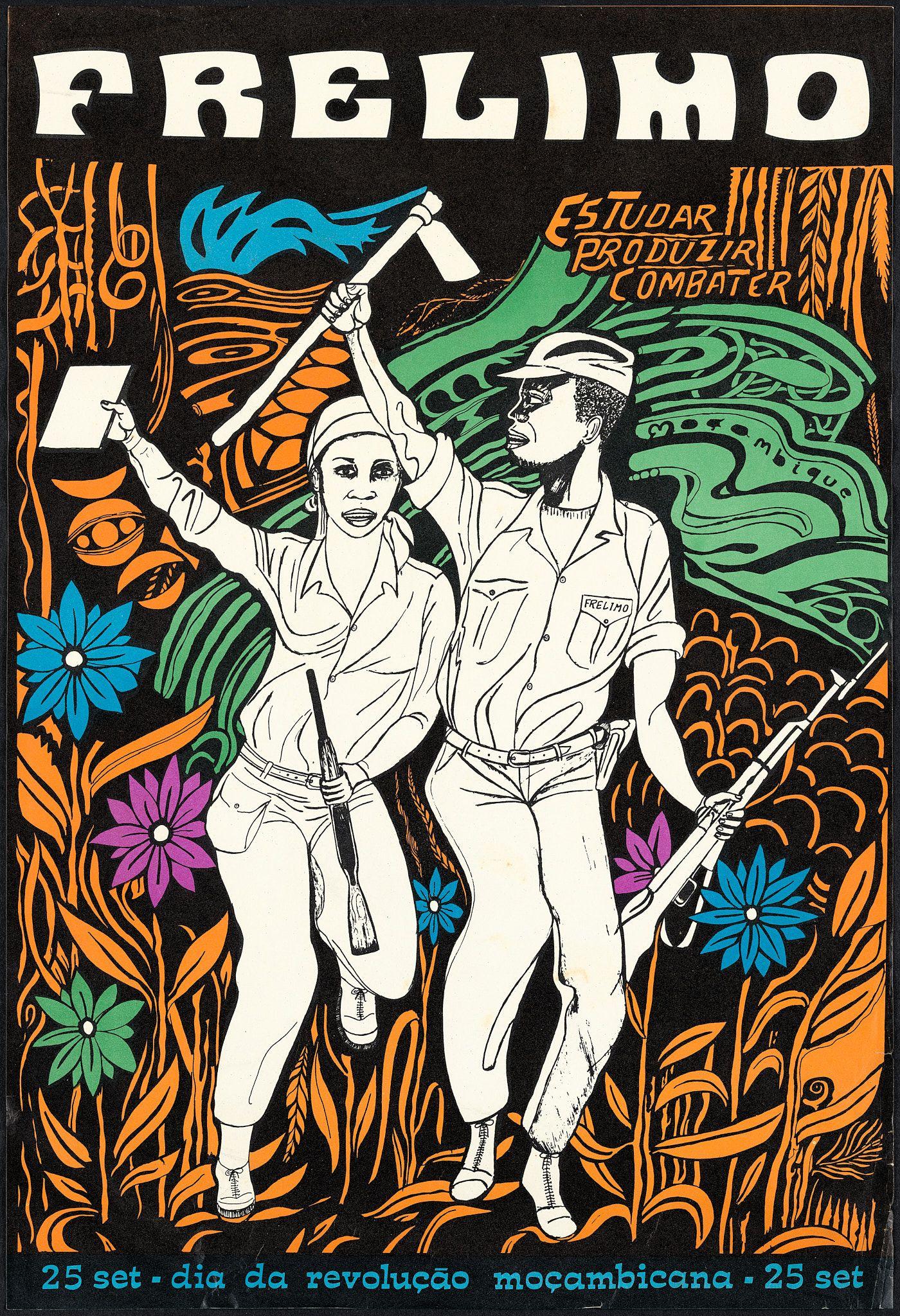
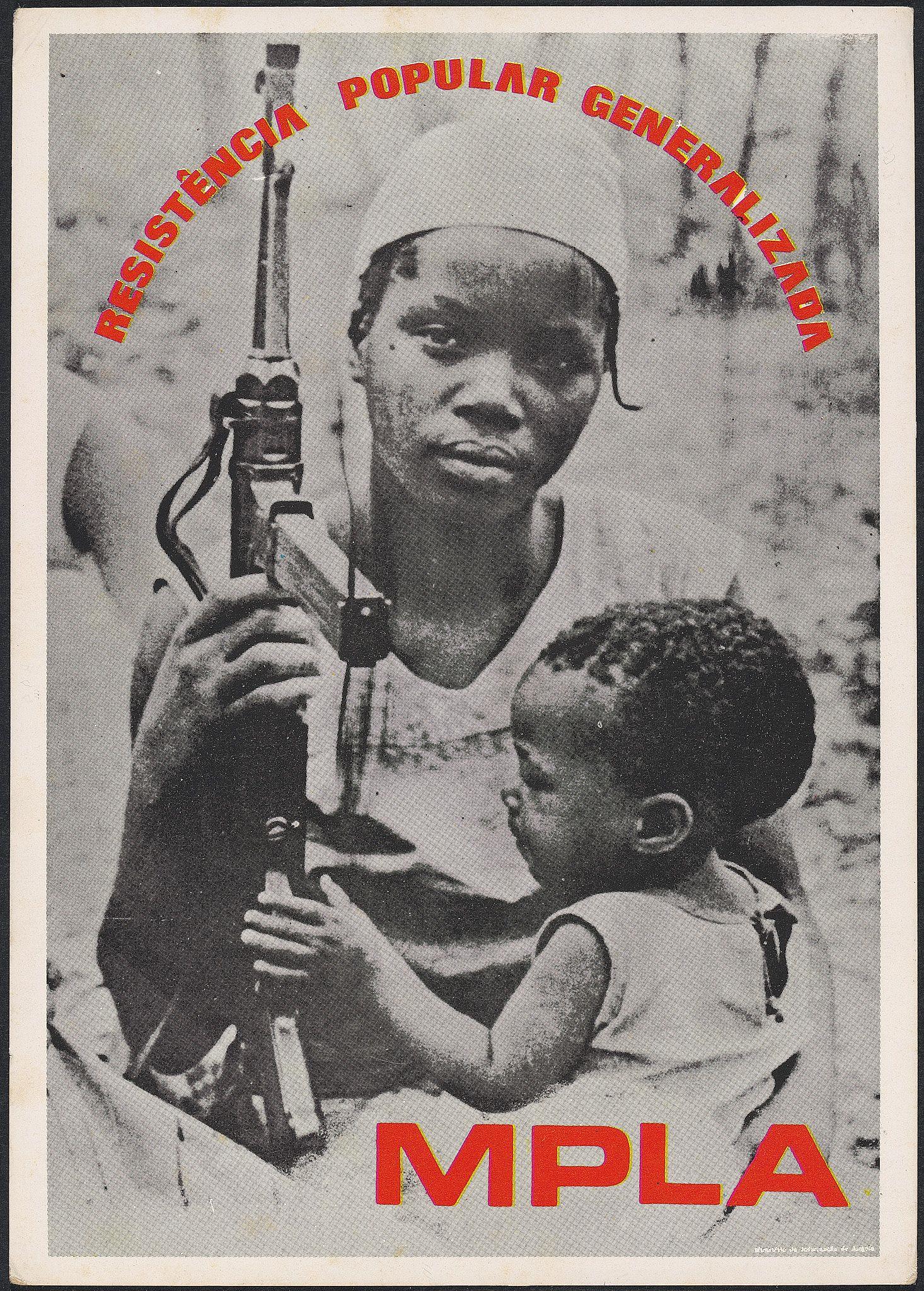
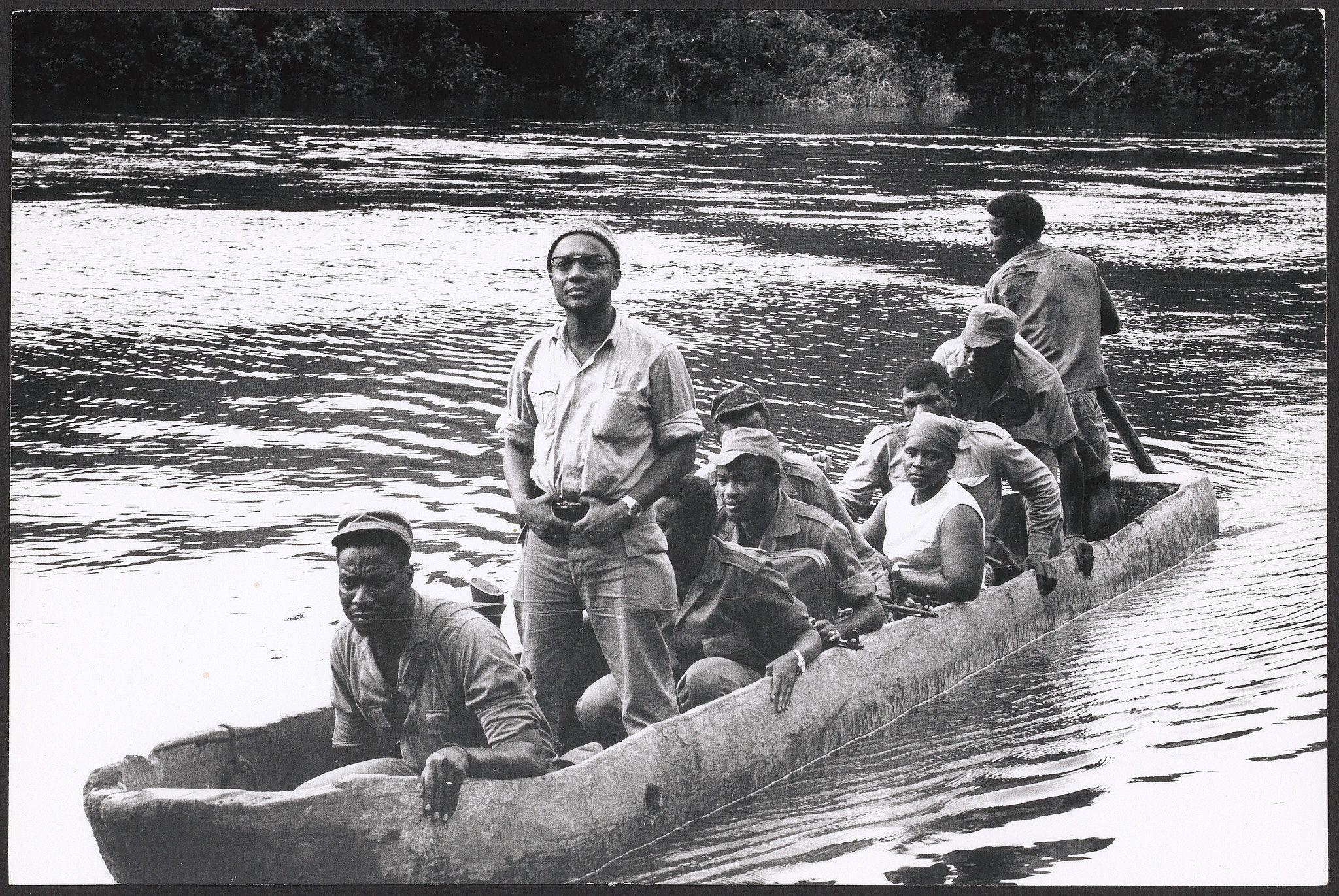
Anti-colonial movements emerged across the Portuguese colonies, challenging imperial rule and demanding independence. These movements were rooted in local social and political realities but were also influenced by wider processes of decolonisation taking place across Africa and Asia.
Organisations such as the MPLA, FRELIMO, and PAIGC led armed struggles against Portuguese rule. Their leaders, including Amílcar Cabral, played a key role in linking anti-colonial resistance to broader ideas of political liberation and social transformation.
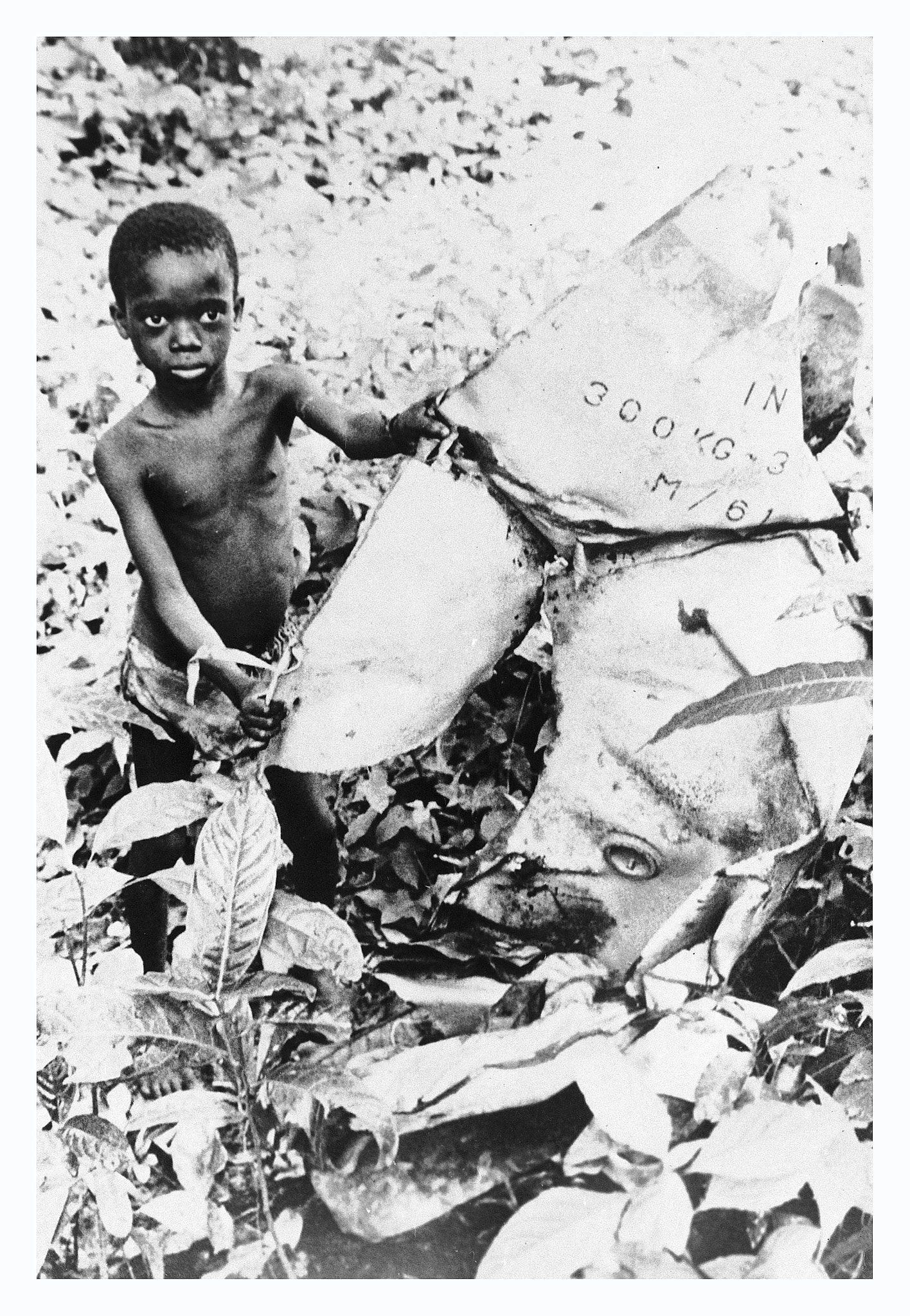
The Portuguese government refused to negotiate independence and instead waged a prolonged colonial war (1961-1974) in Angola, Mozambique, and Guinea-Bissau. This conflict had a profound human, economic, and political impact, both in the colonies and in Portugal, contributing significantly to the weakening of the regime.
2. Portugal: What Revolution?
Portugal: What Revolution?
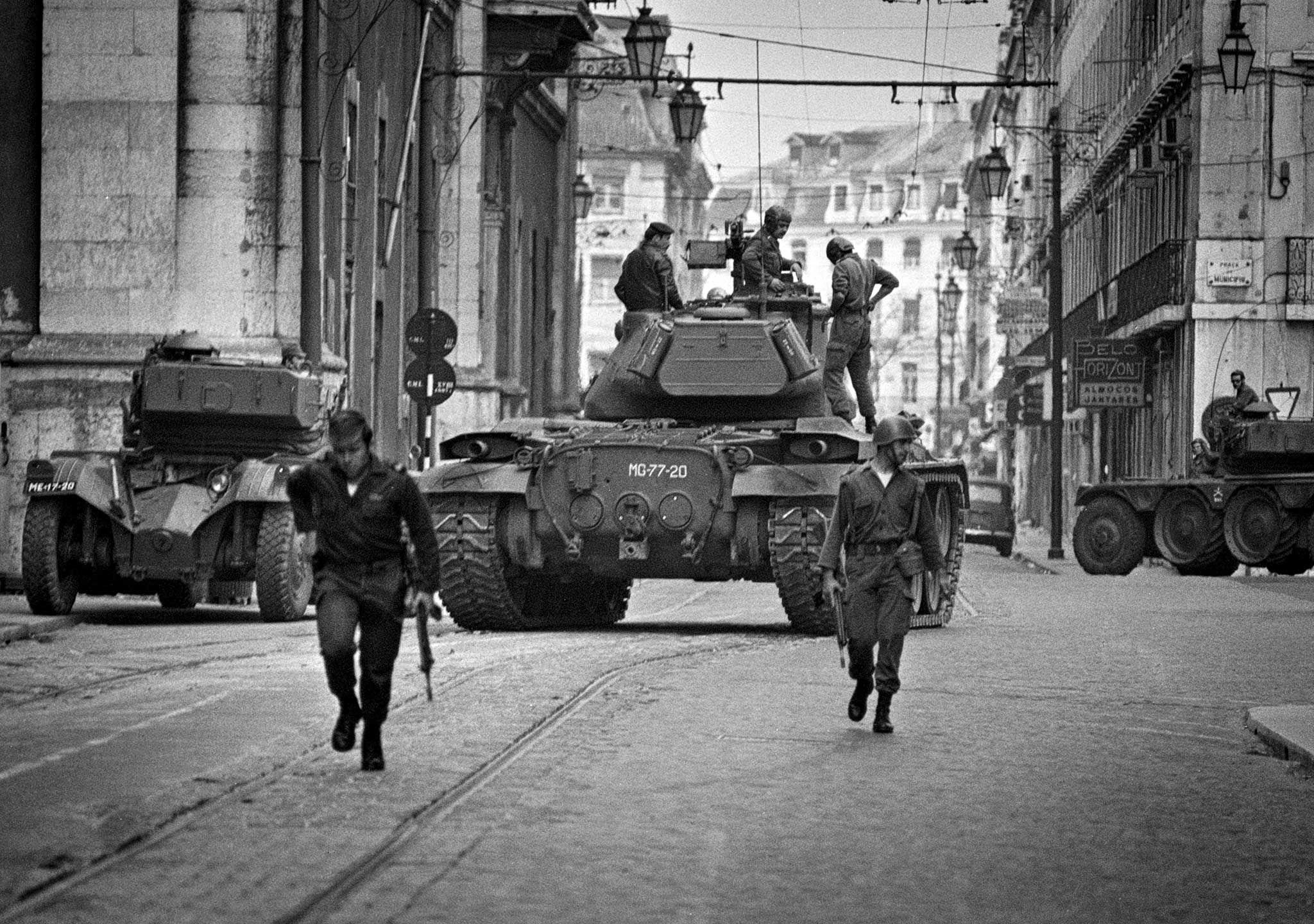
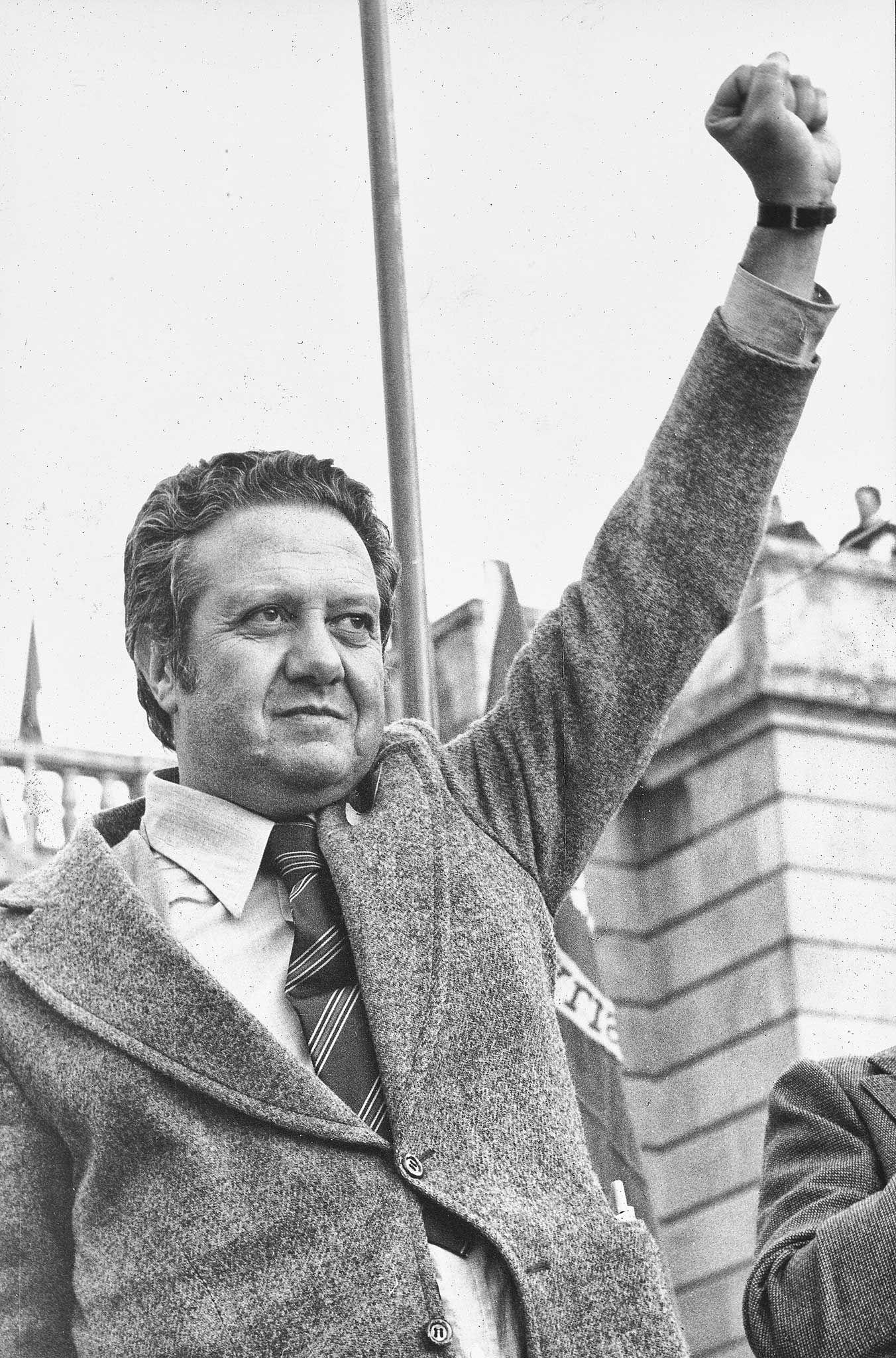
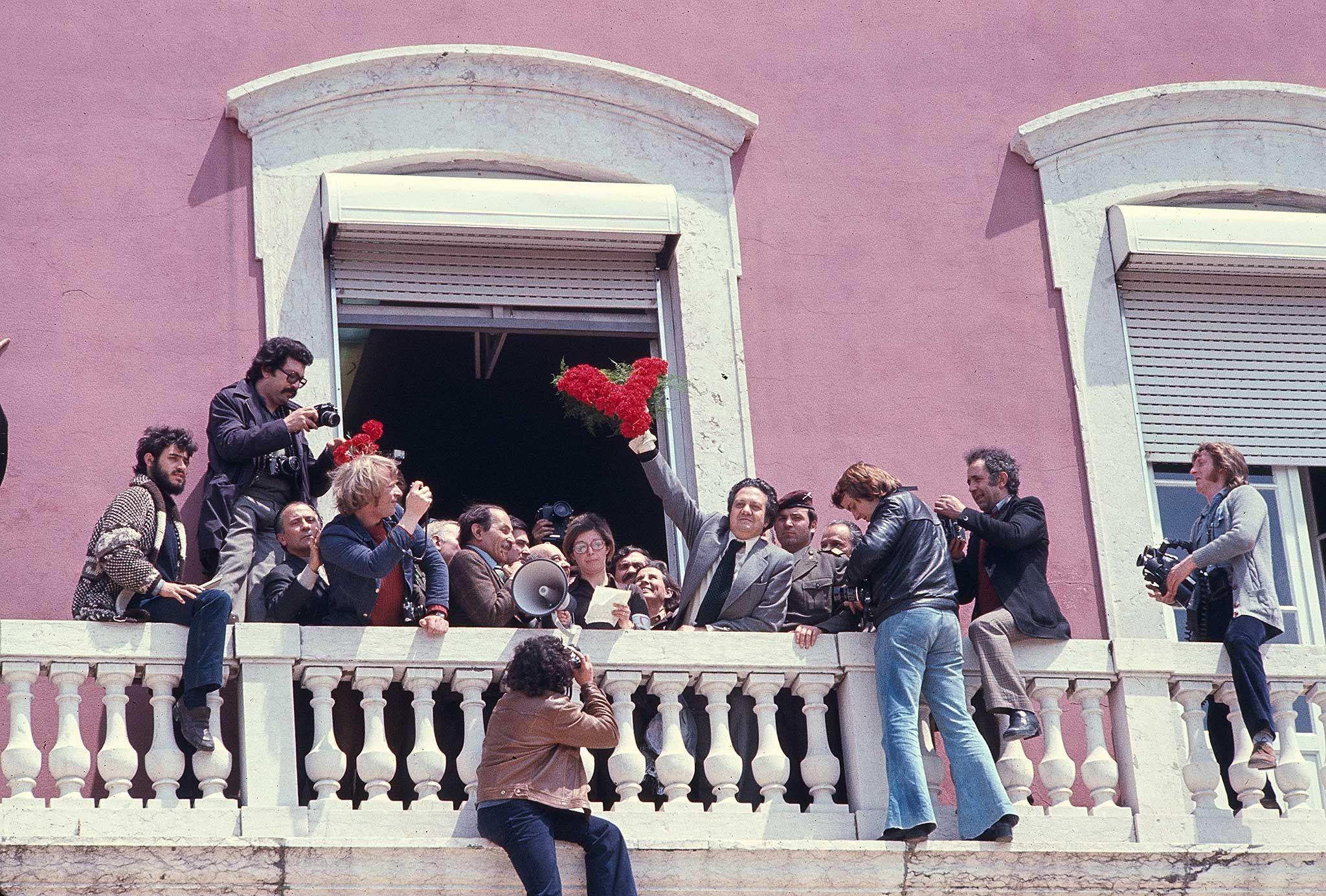
Section 2 presents Mário Soares’ perspective on the Portuguese Revolution, based on an interview with journalist Dominique Pouchin. Combining text and photography, it captures the intensity, uncertainty and rapid developments of the revolutionary period (PREC). Soares’ reflections are complemented by photographs from renowned photographers, which convey the atmosphere and dynamics of the time, highlighting key moments and political tensions.
3. Democratic Manifestos
Democratic Manifestos
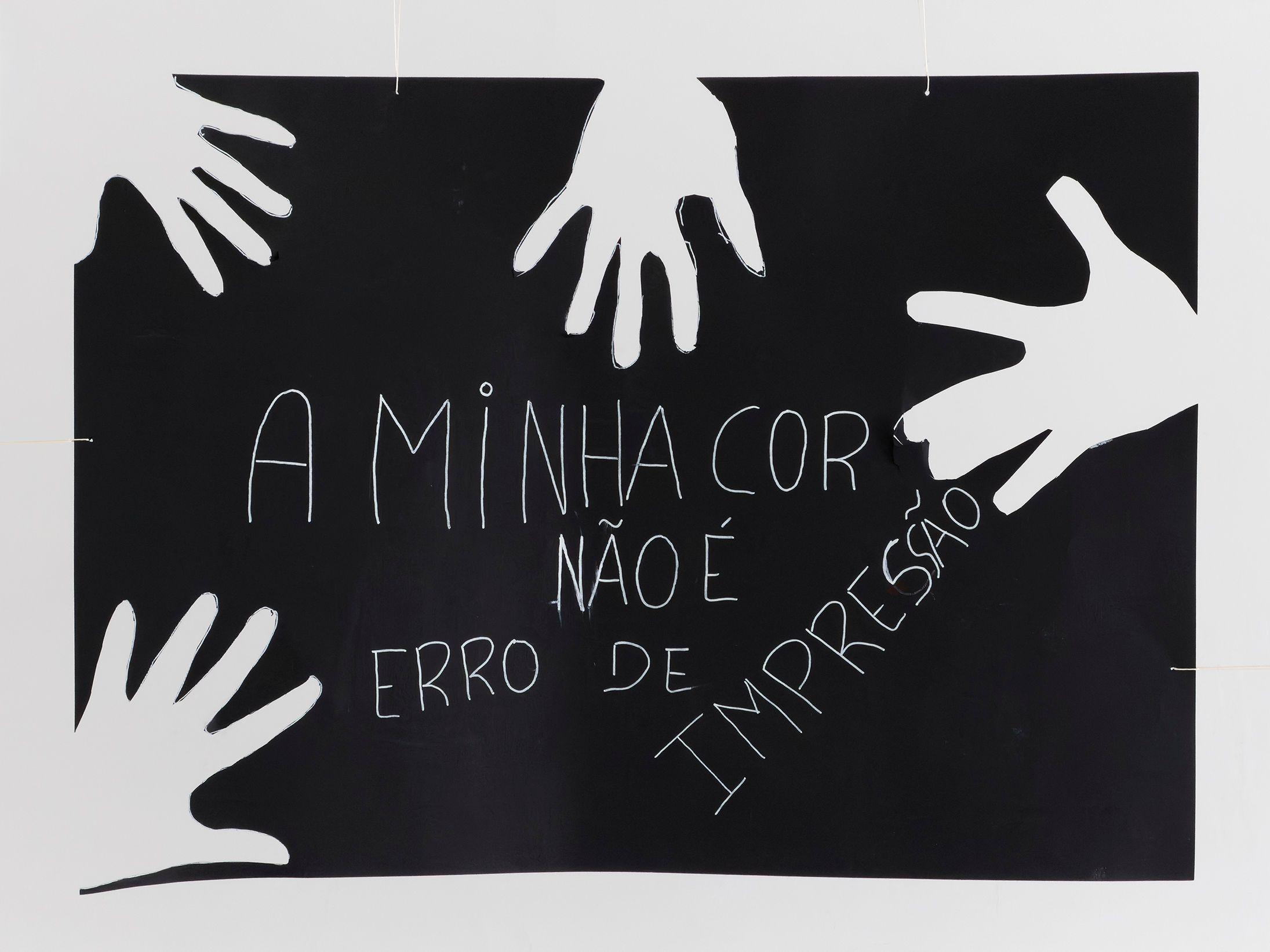
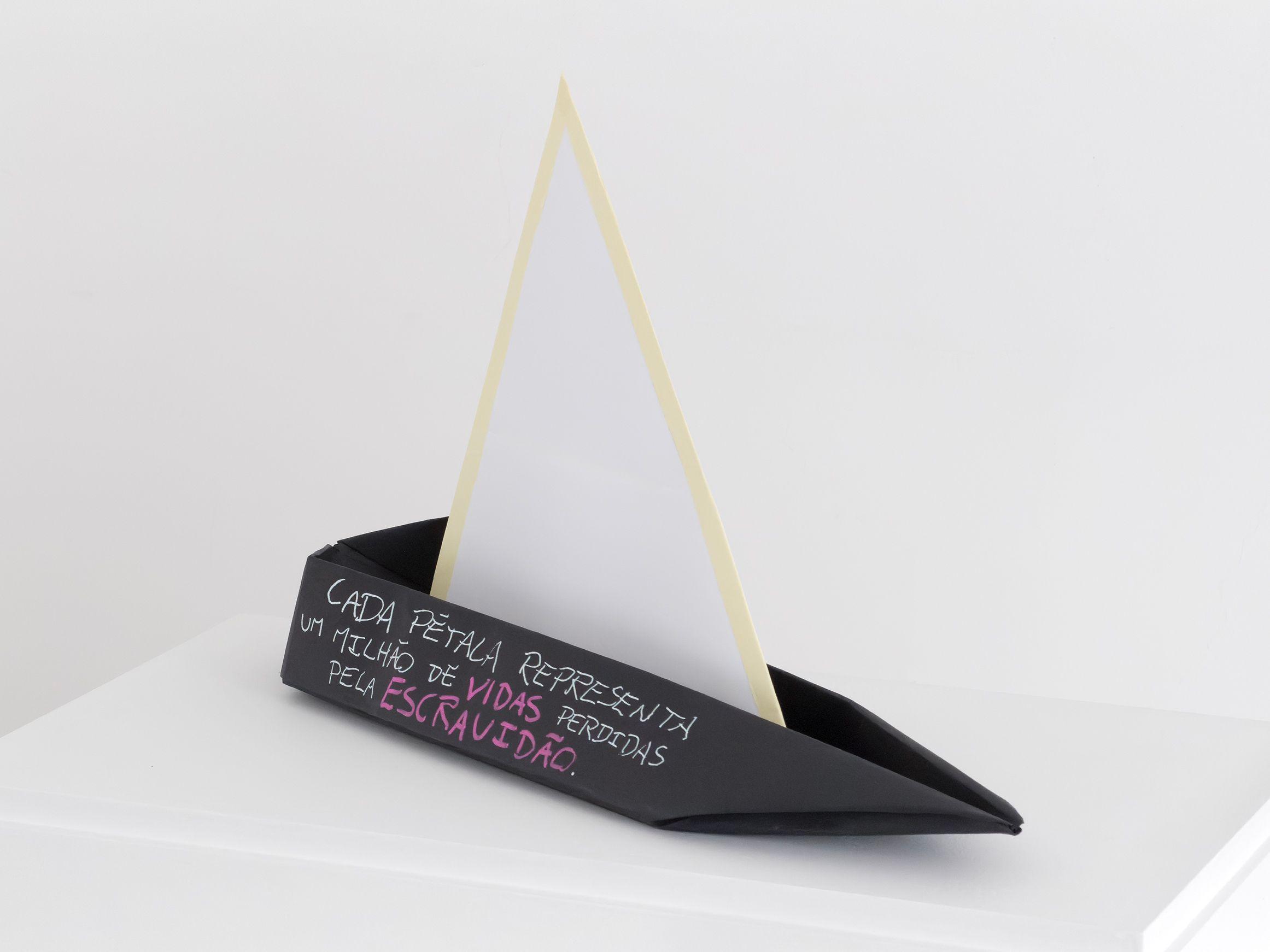
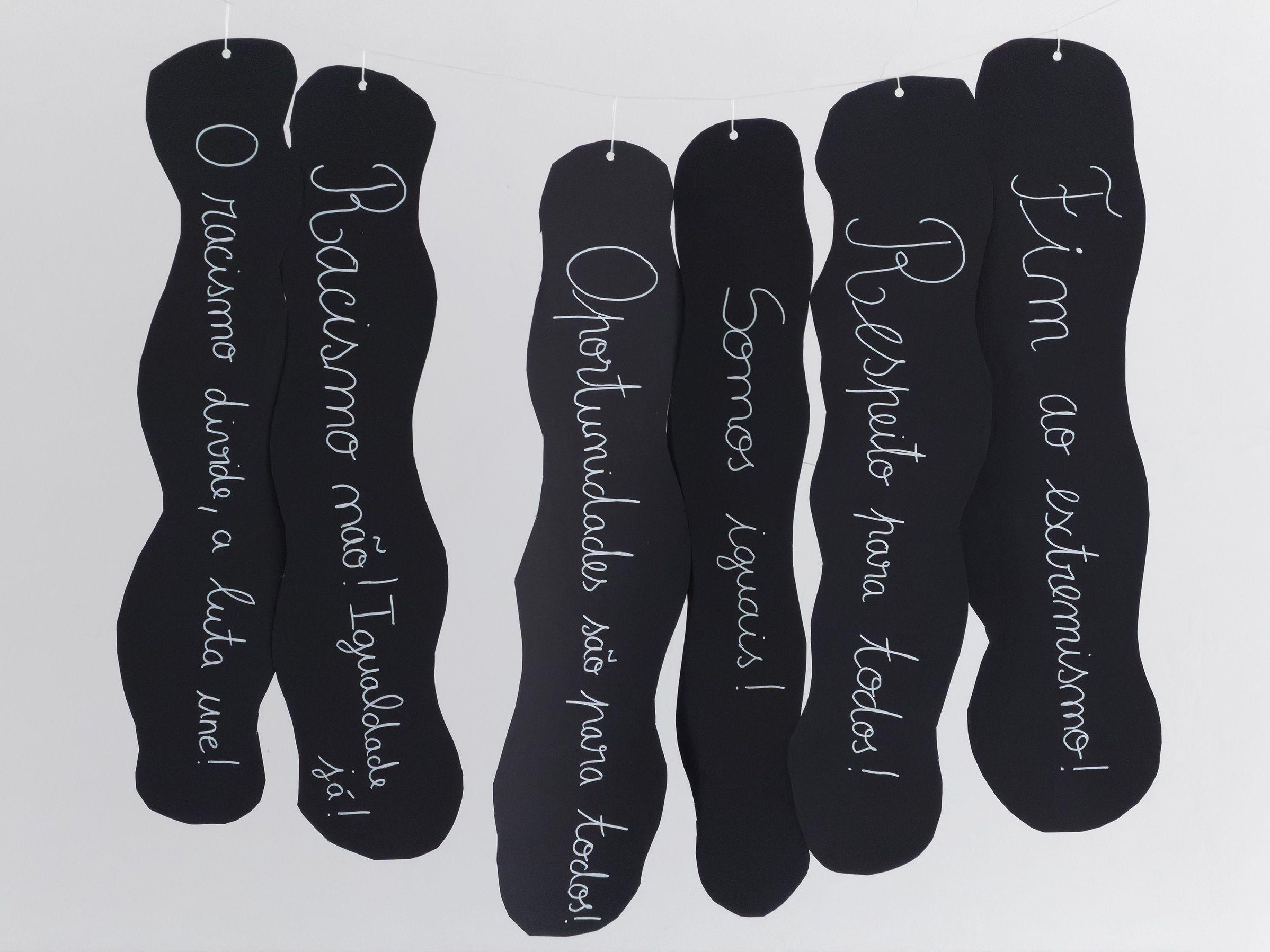
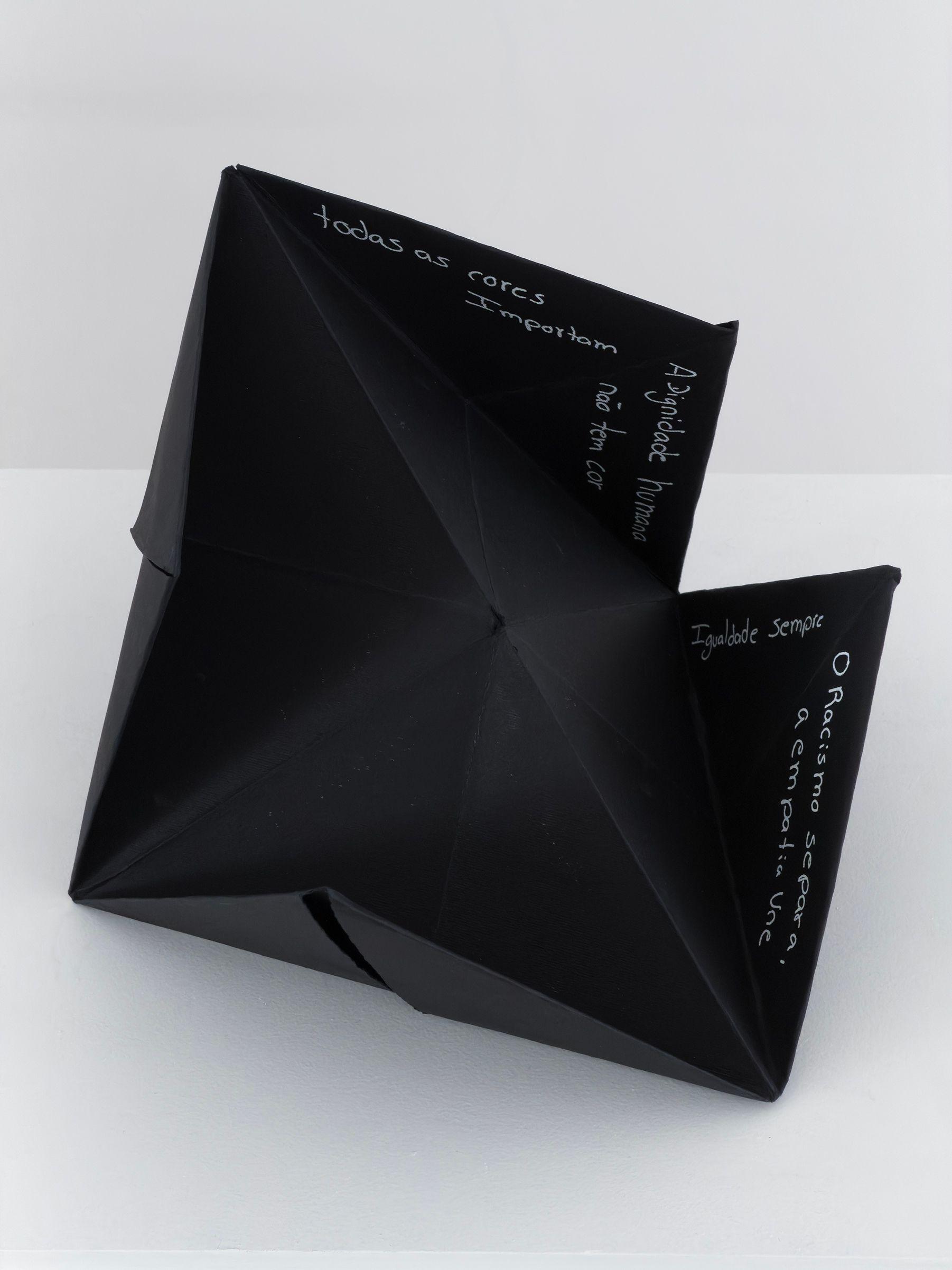
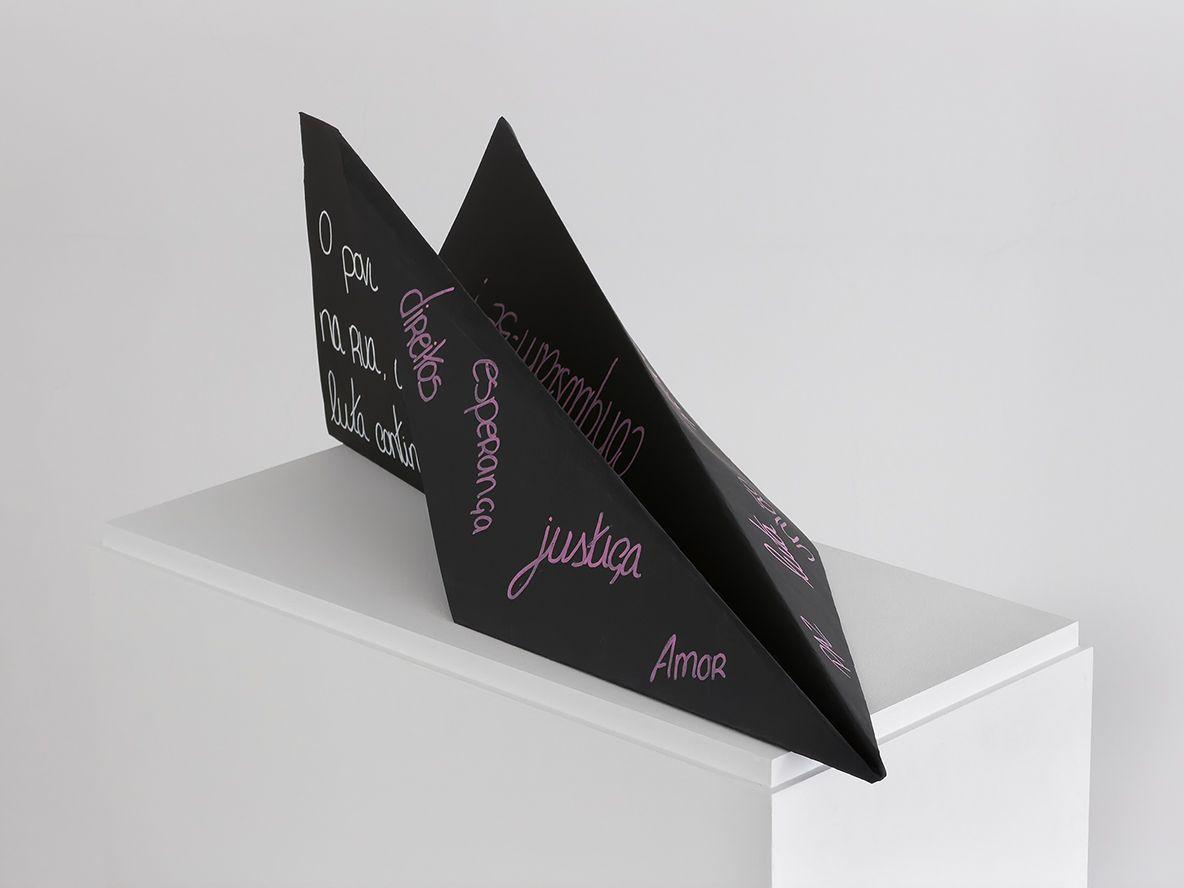
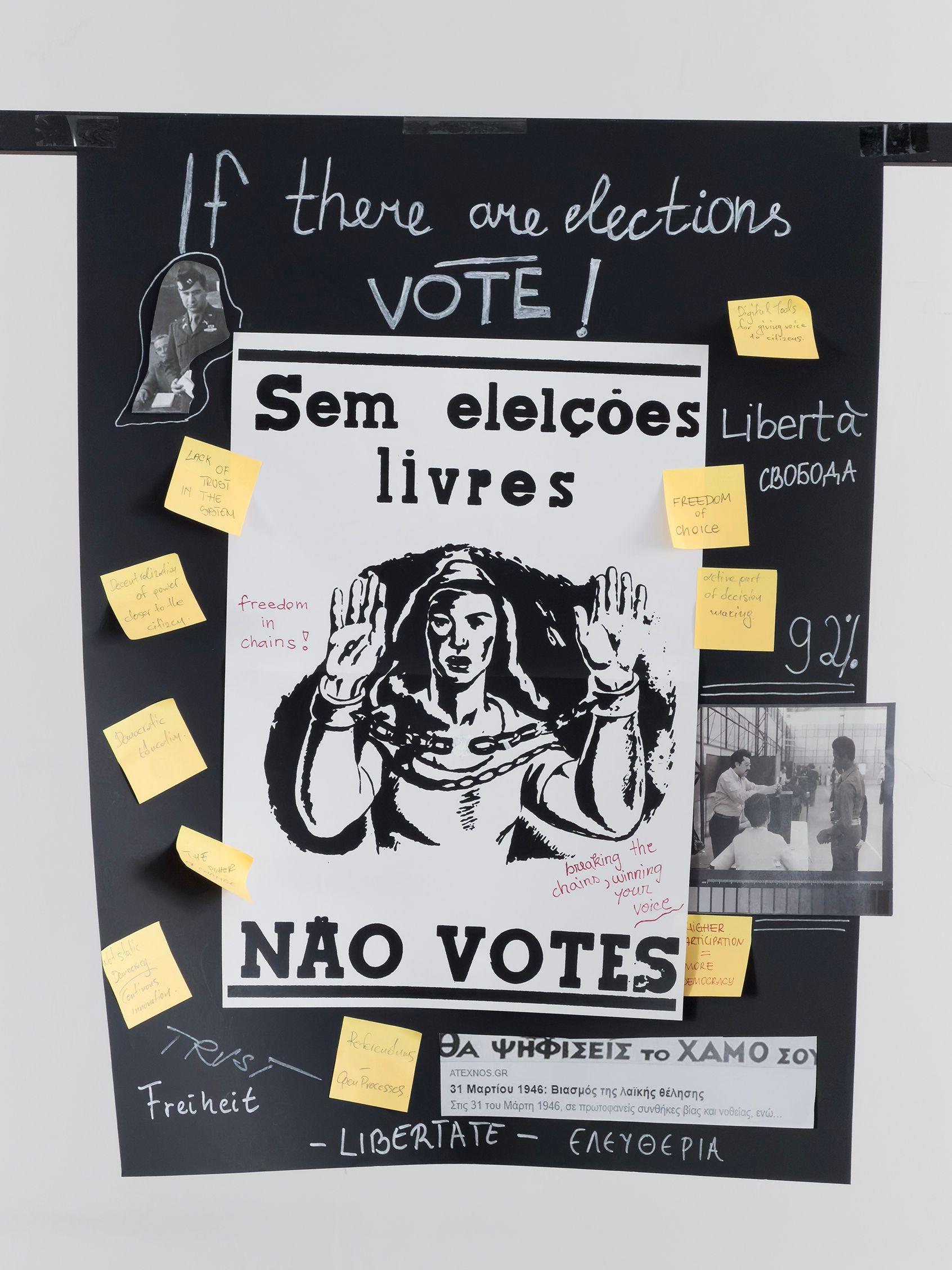
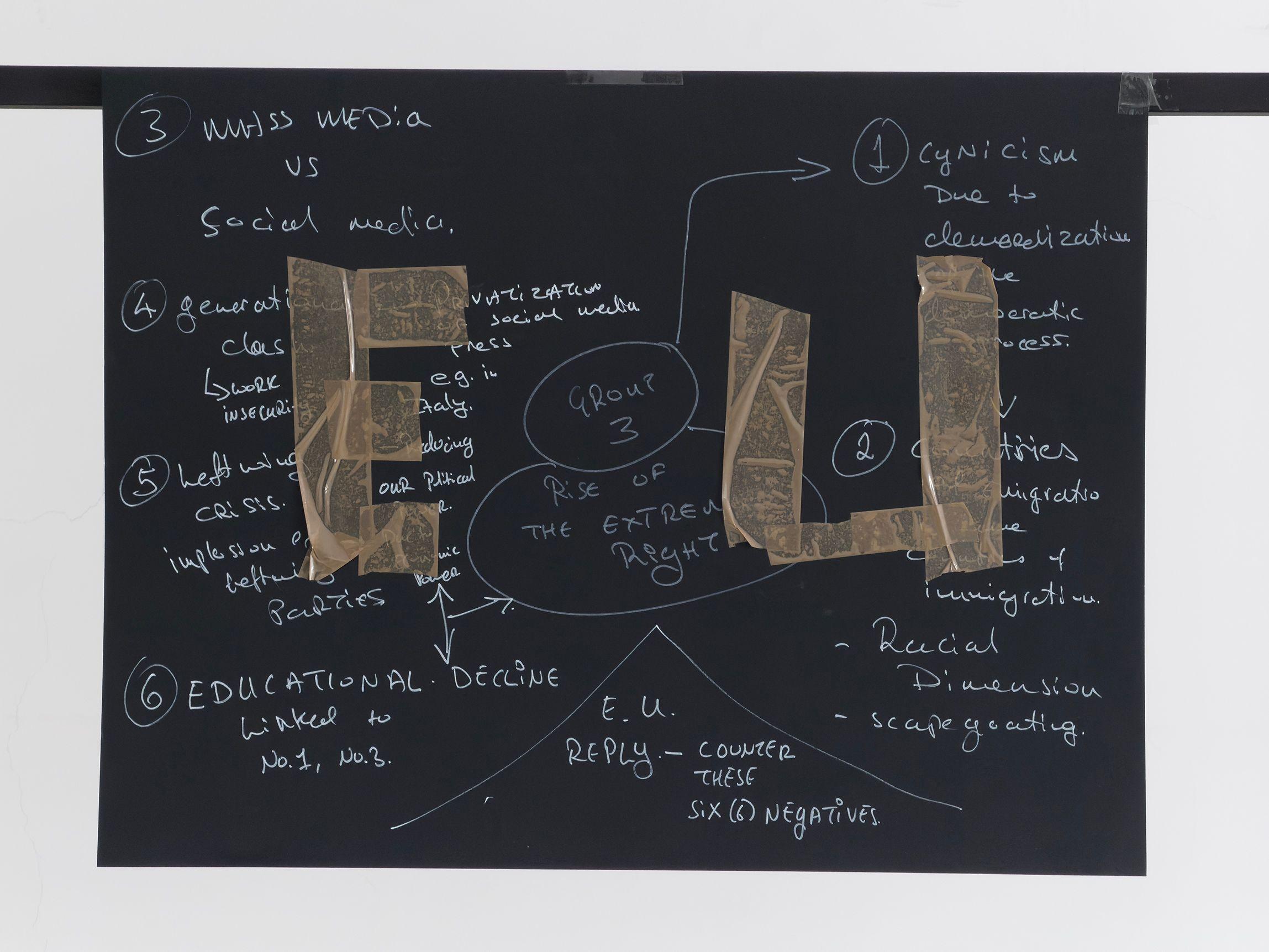
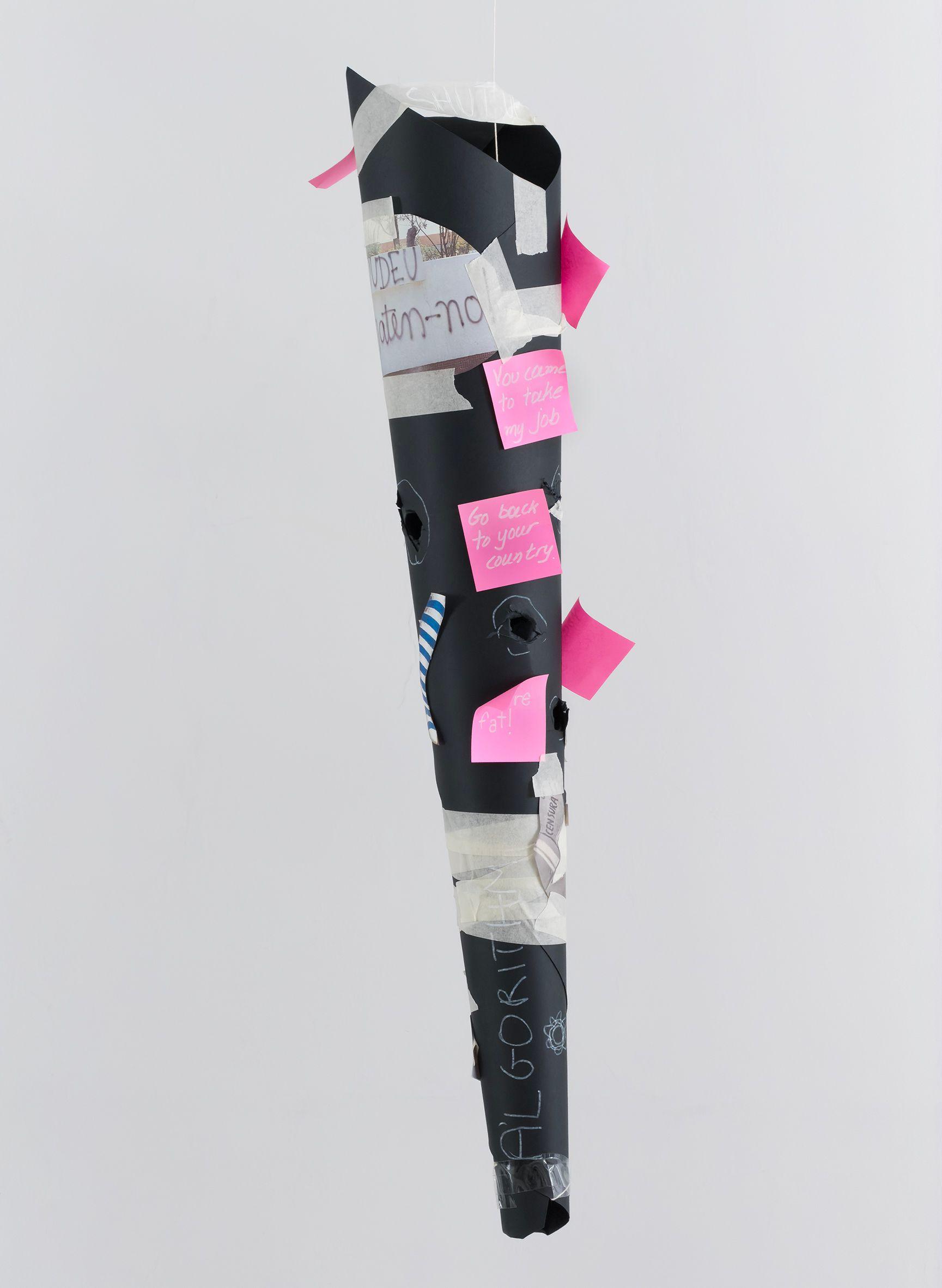
Artistic installation based on the outcomes of the participatory workshops “Unarchiving Democracy”, held in Leiria and Lisbon, within the scope of the FREI project.
Participants from different European countries engaged with archival materials to reflect on current democratic challenges, including voter apathy, online hate speech, disinformation, racism and the rise of far-right extremism.
Working in groups, they developed collective manifestos connecting past struggles for democracy with present-day concerns.
The installation brings together 10 artistic objects, highlighting collaborative reflection, transnational perspectives and active citizenship.
Racism
Voter Apathy
Fake news
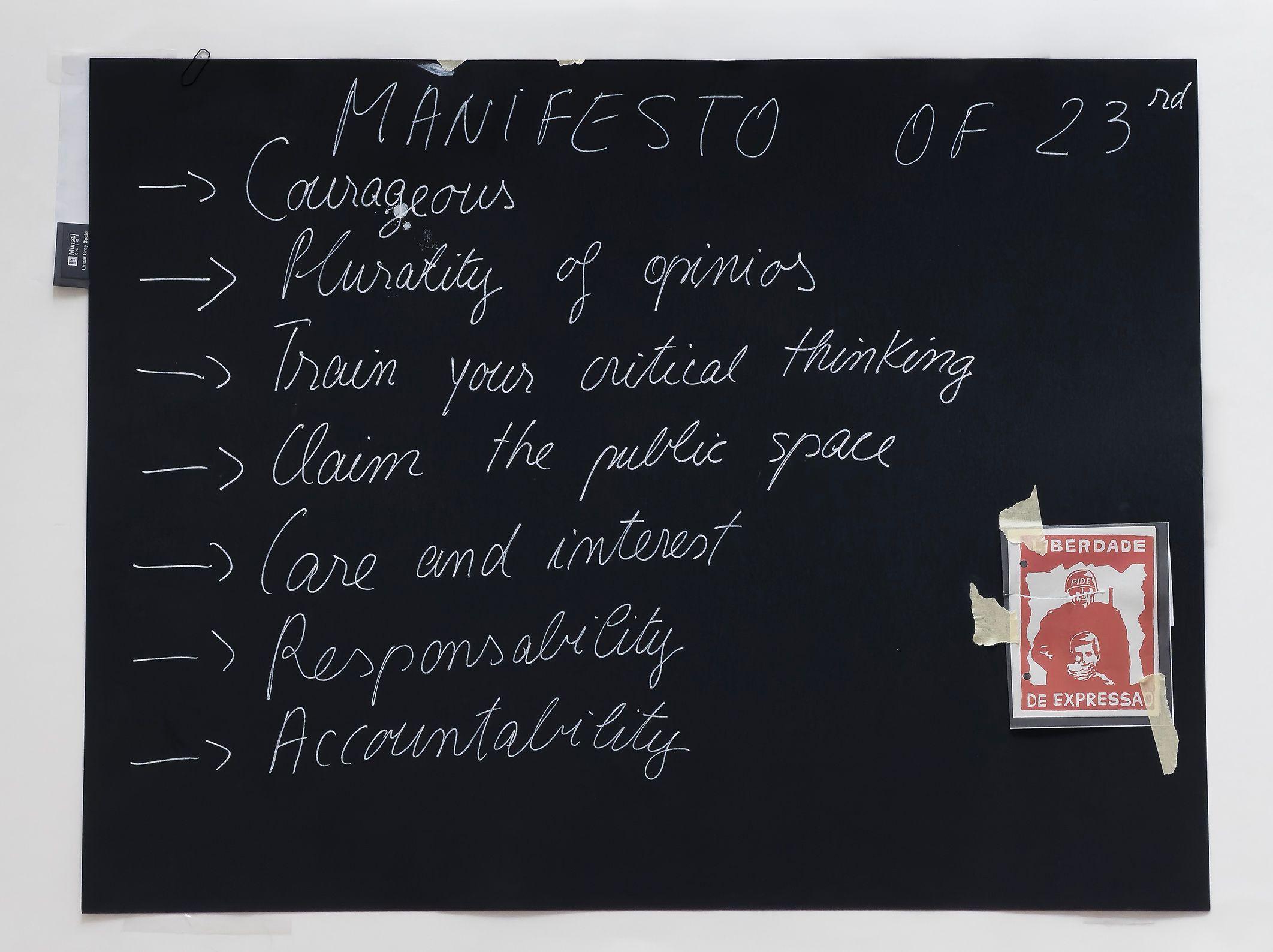
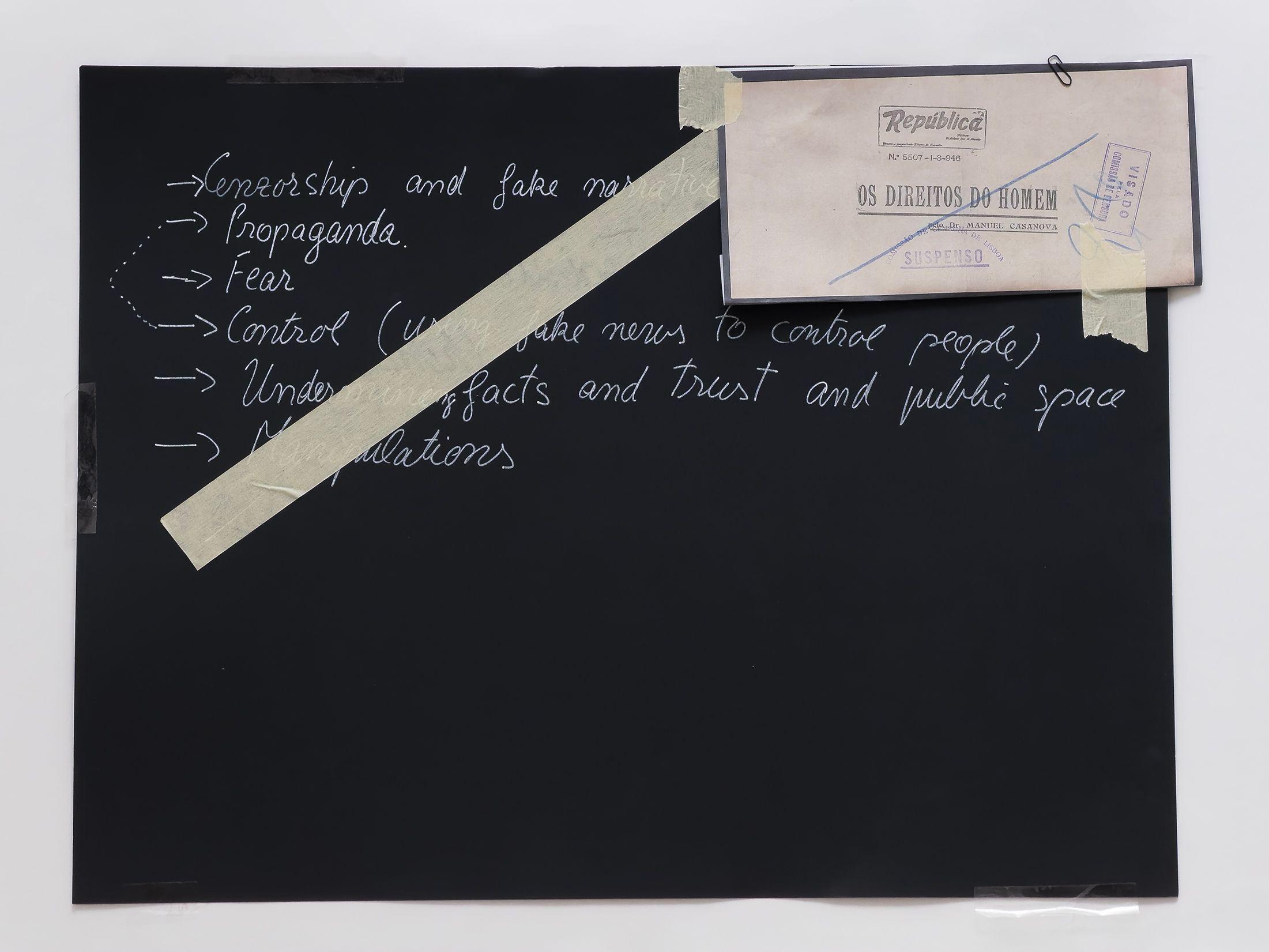
Rise of far-right extremism
Online hate speech
Credits
Credits
Curatorship
Filipe Guimarães da Silva
Sofia Carvalho
Texts
Filipe Guimarães da Silva
Sofia Carvalho
Exhibition Design
Filipe Guimarães da Silva
Henrique Godoy
Sofia Carvalho
Production
António Coelho
Henrique Godoy
Sofia Carvalho
Digitisation
António Coelho
Printing
BBA - Impressão Digital
Documents and photos
Mario Soares and Maria Barroso Foundation Archives
Support
FREI - From Resistance to European Integration (funded by the CERV- Citizens Equality Rights and Values programme of the European Union)